
Seasonal Mold Problems in Brevard County: What Merritt Island Property Owners Should Know
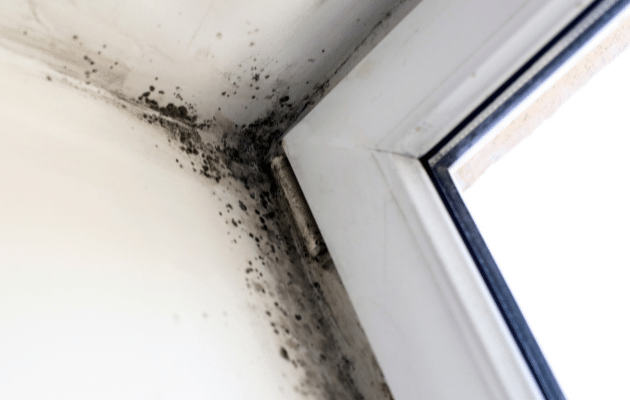
In Brevard County, mold is not a one-season problem. It changes throughout the year, reacting to shifts in humidity, rainfall, temperature, and how homes are lived in. Many property owners are surprised to learn that mold risk doesn’t disappear in winter and doesn’t always start during storms. Instead, it follows predictable seasonal patterns that repeat year after year.
For homeowners in and around Merritt Island, understanding how mold behaves seasonally is one of the most effective ways to prevent costly damage, recurring odors, and unnecessary remediation.
This article breaks down how mold problems change by season in Brevard County, what homeowners typically notice, where mold hides, and what actually helps prevent it.
What Seasonal Mold Problems Really Mean
Seasonal mold problems aren’t caused by a single event. They develop because Florida homes respond differently to weather changes throughout the year.
Key factors include:
- Shifts in outdoor humidity
- Changes in AC usage
- Rainfall patterns
- Temperature differences between indoors and outdoors
- How often homes are occupied or vacant
Mold adapts quickly. When conditions change, growth locations and warning signs change too.
Why Brevard County Homes Are Especially Vulnerable
Brevard County sits in a high-humidity, coastal environment where mold has few natural limits.
Common contributing factors include:
- Long humid seasons with little true “dry time”
- Frequent rain and afternoon storms
- Slab foundations that trap moisture
- Attics that experience extreme heat
- Homes sealed tightly for air conditioning
Unlike drier climates, there is rarely a season where mold risk drops to zero.
Spring: Hidden Moisture and Early Mold Growth
Spring often feels mild, but it’s one of the most deceptive mold seasons.
What’s Happening
- Rainfall increases
- Humidity rises gradually
- AC systems begin running more often
- Homes may still be drying from winter moisture
Common Mold Issues
- Closet mold on exterior walls
- Baseboard moisture near slab edges
- Musty odors without visible mold
- Early attic condensation
Spring mold problems often start quietly and aren’t noticed until summer.
Summer: Peak Mold Growth Season
Summer is the most active mold season in Brevard County.
Why Summer Is High Risk
- Constant high humidity
- Heavy rainfall and storms
- AC systems running nonstop
- Condensation forming on cool surfaces
Common Summer Mold Locations
- AC closets and air handlers
- Behind drywall near vents
- Bathrooms with poor ventilation
- Attics with trapped heat and moisture
- Under flooring near exterior walls
Summer mold often spreads quickly because materials rarely dry completely.
Fall: Lingering Moisture and Storm Damage
Fall mold problems are usually tied to what didn’t dry out during summer.
What Changes in Fall
- Rain may continue, especially during hurricane season
- AC use may decrease slightly
- Homes begin holding moisture longer
Common Fall Mold Issues
- Mold appearing weeks after storms
- Odors returning when AC cycles less
- Hidden growth behind walls affected by wind-driven rain
- Attic mold discovered during inspections
Fall is when many homeowners first realize a problem started earlier.
Winter: Condensation and “Surprise” Mold
Winter mold catches many homeowners off guard.
Why Mold Still Grows in Winter
- Florida winters are still humid
- AC systems may run less consistently
- Windows and doors stay closed
- Indoor air becomes stagnant
Typical Winter Mold Problems
- Condensation on vents and walls
- Mold in closets and spare rooms
- Bathroom mold despite cooler temperatures
- Attic condensation during cold nights
Lower temperatures don’t stop mold—moisture still feeds it.
Common Seasonal Warning Signs Homeowners Notice
Across all seasons, mold problems often show up gradually.
Odors
- Musty or earthy smells
- Odors stronger in the morning or after rain
- Smells that return when AC runs
Visual Changes
- Bubbling or peeling paint
- Staining near ceilings or baseboards
- Discoloration on drywall or wood
Moisture Clues
- Condensation on vents or windows
- Damp-feeling closets or cabinets
- Flooring edges lifting or warping
These signs often point to hidden moisture rather than surface mold alone.
Hidden Seasonal Mold Sources in Florida Homes
Seasonal mold is often missed because it grows where homeowners don’t look.
Behind Walls
Seasonal rain and humidity can push moisture into wall cavities, feeding mold unseen.
Under Flooring
Moisture migrates through slabs and gets trapped under laminate, vinyl, or carpet padding.
Attics
Attics experience extreme temperature swings, making them prime locations for condensation-based mold.
HVAC Systems
Seasonal changes in AC use affect condensation, airflow, and humidity control.
Why Ignoring Seasonal Mold Patterns Makes Problems Worse
Many homeowners treat mold as a one-time issue. In Brevard County, that approach fails.
Ignoring seasonal patterns leads to:
- Recurring mold in the same areas
- Repeated cleaning with no lasting results
- Mold spreading into new spaces
- Higher remediation costs over time
Seasonal mold problems don’t disappear on their own—they repeat.
Why DIY Mold Cleanup Rarely Solves Seasonal Issues
Common DIY responses include:
- Cleaning visible mold only
- Using bleach on porous materials
- Running fans without dehumidification
- Painting over stains
These steps may hide symptoms temporarily but do nothing to address seasonal moisture cycles.
How Professional Mold Inspections Address Seasonal Problems
A proper mold inspection looks beyond surface growth.
Moisture Mapping
Identifies where moisture enters and accumulates during different seasons.
HVAC Evaluation
Checks whether systems are controlling humidity effectively year-round.
Attic and Slab Assessment
Finds seasonal condensation and moisture migration issues.
Targeted Testing (When Needed)
Used to support decisions, not replace moisture control.
Professional inspections help homeowners understand why mold appears at certain times of year.
Proper Mold Remediation for Seasonal Mold
Effective remediation accounts for future seasons, not just current conditions.
Key elements include:
- Correcting moisture sources
- Removing contaminated materials safely
- Containing affected areas
- Improving airflow and humidity control
- Verifying dryness before rebuilding
Without prevention planning, seasonal mold often returns.
How to Reduce Seasonal Mold Risk Year-Round
Florida-specific prevention steps include:
- Keep indoor humidity between 30–50%
- Run AC consistently, even in cooler months
- Use dehumidifiers in problem areas
- Vent bathrooms and kitchens properly
- Inspect attics and closets seasonally
- Act within 24–48 hours after any water intrusion
Small adjustments make a big difference over time.
Why Local Brevard County Experience Matters
Seasonal mold behaves differently in Florida than in other regions. Local factors like slab construction, coastal humidity, and storm patterns matter.
A local company like Brevard Mold Inspections & Removal understands:
- How Brevard County homes respond to seasonal weather
- Where mold typically appears first
- Which seasonal issues are normal—and which are not
That local knowledge helps homeowners avoid unnecessary work while addressing real risks.
A Calm, Practical Way Forward
Seasonal mold problems don’t mean something is “wrong” with your home. They mean the home is reacting to Florida’s environment.
If you’re noticing recurring odors, seasonal staining, or mold that seems to return every year, a professional inspection can provide clarity and a plan—without pressure or panic.
Brevard Mold Inspections & Removal works with homeowners, landlords, buyers, and property managers throughout Merritt Island and Brevard County to identify seasonal mold risks and prevent long-term damage.
