
Mold in Florida Winters in Sykes Creek: What Merritt Island Property Owners Should Know
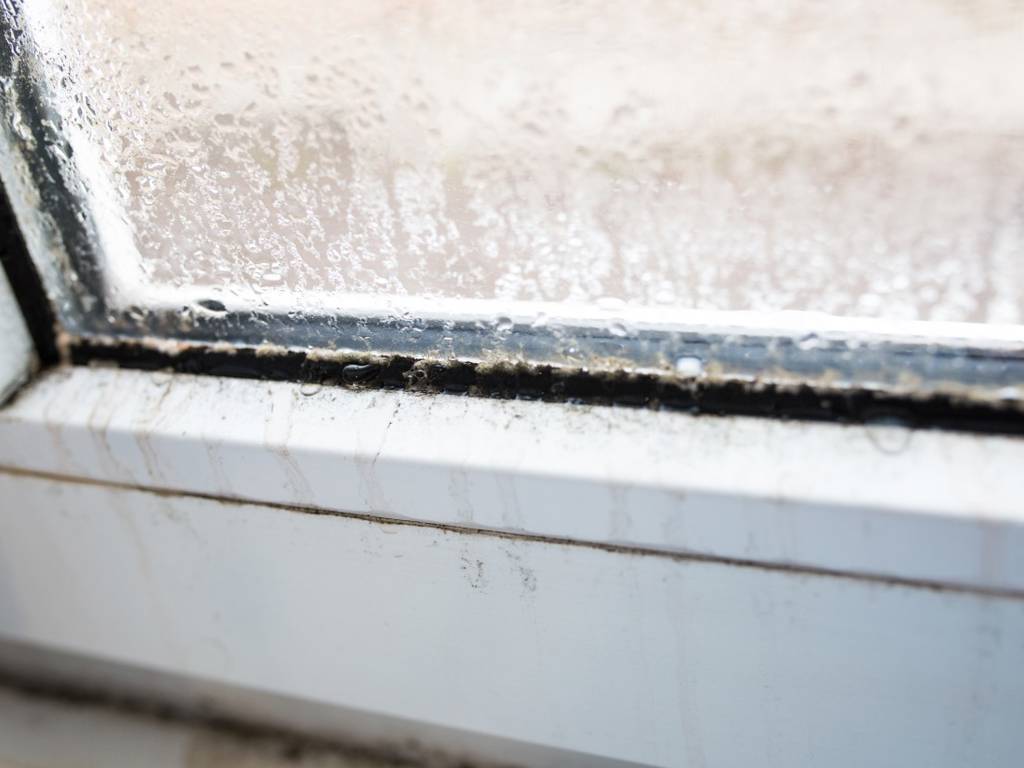
Many homeowners in Sykes Creek look forward to winter as a break from Florida’s intense summer heat and storm season. Cooler temperatures and lower energy bills make winter one of the most comfortable times of year in Merritt Island. However, many property owners are surprised to learn that mold problems can still develop during Florida winters.
Unlike northern states where cold weather reduces mold risks, Florida’s mild winters still contain enough humidity and moisture to allow mold to grow indoors. In fact, certain winter habits and weather patterns can sometimes make mold problems worse.
Understanding how mold develops during winter in Sykes Creek helps homeowners prevent hidden moisture issues and keep their homes comfortable year-round.
Why Mold Still Grows During Florida Winters
Mold requires moisture, organic material, and suitable temperatures to grow. While cold northern winters often slow mold activity, Florida winters remain warm enough for mold to remain active.
In Sykes Creek and surrounding Merritt Island communities, winter conditions still include:
• Mild temperatures compared to northern climates
• Ongoing coastal humidity
• Frequent rain showers and occasional storms
• Waterfront moisture exposure
• Ground moisture from high water tables
Even without summer heat, humidity levels often remain high enough indoors to support mold growth.
Homes near waterways like Sykes Creek, Banana River, and the Indian River frequently experience elevated humidity even during cooler months.
How Winter Habits Contribute to Mold Problems
Winter lifestyle changes sometimes create indoor conditions favorable for mold growth.
Common seasonal habits include:
• Keeping windows closed for longer periods
• Using air conditioning less frequently
• Running heaters that do not remove humidity
• Reduced ventilation inside homes
• Leaving vacation homes empty for months
Air conditioning systems normally help remove moisture from indoor air. When AC use decreases, humidity sometimes builds up inside homes.
Without adequate ventilation or humidity control, moisture can accumulate in hidden areas.
Condensation Problems During Winter
One of the most overlooked winter mold causes is condensation.
Even mild temperature differences between indoor and outdoor air can create condensation on surfaces such as:
• Windows and sliding doors
• Exterior walls
• Air conditioning vents
• Tile or concrete flooring
• Pipes and plumbing fixtures
When warm, humid air contacts cooler surfaces, water droplets form. If this moisture remains, mold may begin growing nearby.
In coastal communities like Sykes Creek, condensation sometimes occurs even when temperatures only drop slightly overnight.
Repeated condensation allows mold to develop slowly.
Vacation Homes and Winter Mold Risks
Many Sykes Creek properties serve as seasonal or vacation homes. Winter vacancy can sometimes create mold risks.
Common problems occur when:
• Air conditioning is turned off entirely
• Thermostats are set too high to reduce energy costs
• Humidity is not monitored
• Small leaks go unnoticed
• Storm damage is not discovered quickly
Without regular occupancy, moisture problems can continue for weeks before being discovered.
Cleaning crews or returning homeowners sometimes find mold growth that developed during vacancy.
Common Areas Mold Develops During Winter
Winter mold problems often occur in hidden or overlooked areas where airflow is limited.
Common winter mold locations include:
• Closets along exterior walls
• Behind furniture placed against walls
• Around window frames and sliding doors
• Inside bathrooms with poor ventilation
• Attics with limited airflow
• Crawl spaces absorbing ground moisture
• Laundry rooms or utility spaces
Homes near waterways often experience increased crawl space moisture that affects flooring and walls above.
Because growth may be slow, mold sometimes remains hidden until odors appear.
Signs Mold May Be Developing During Winter
Mold growth often produces subtle warning signs before becoming visible.
Homeowners in Sykes Creek may notice:
• Musty or stale odors indoors
• Damp or humid feeling rooms
• Condensation on windows or vents
• Peeling paint near cooler walls
• Dark spots forming in corners or closets
• Allergy-like irritation indoors
If odors persist even when surfaces appear clean, hidden mold may already be present.
Early investigation helps prevent spread.
Why Mold Returns Each Winter
Some homeowners notice mold appearing in the same locations every winter. This typically indicates unresolved moisture issues.
Common reasons mold returns include:
• Poor ventilation in closets or storage rooms
• Indoor humidity remaining too high
• Crawl space moisture rising into the home
• Condensation forming regularly
• Mold roots remaining inside materials
Cleaning visible mold without correcting moisture allows it to regrow seasonally.
Long-term prevention requires moisture control.
Why DIY Cleanup Often Falls Short
Homeowners frequently attempt to clean mold themselves using bleach or household cleaners. While stains may temporarily disappear, mold often returns.
DIY cleanup problems include:
• Bleach not penetrating porous materials
• Mold roots remaining below surfaces
• Failure to address humidity causes
• Mold spores spreading during cleaning
Cleaning visible mold without controlling moisture rarely solves the problem permanently.
Professional remediation addresses both contamination and moisture safely.
How Professional Mold Inspections Help
Professional inspections help determine why mold appears seasonally and where moisture is entering or accumulating.
A typical inspection includes:
Visual Inspection
Inspectors examine walls, ceilings, closets, and ventilation systems for visible mold or moisture damage.
Moisture Detection
Specialized moisture meters and thermal imaging tools locate hidden damp areas.
Ventilation Evaluation
Inspectors assess airflow problems contributing to condensation or humidity buildup.
Air Sampling When Needed
Air testing may reveal hidden contamination when mold is suspected but not visible.
Results help guide remediation and prevention strategies.
Proper Remediation Stops Seasonal Mold
When contamination is confirmed, professional remediation focuses on removal and prevention.
Remediation steps typically include:
• Containment of affected areas
• HEPA air filtration to capture spores
• Removal of mold-damaged materials
• Cleaning surrounding surfaces
• Correcting moisture problems
• Thorough drying and prevention measures
Professionals familiar with Merritt Island homes understand how coastal humidity influences seasonal mold patterns.
Local specialists such as Mold Removal Merritt Island tailor solutions based on local environmental conditions.
The goal is preventing mold from returning each winter.
Preventing Mold During Florida Winters
Because humidity remains present year-round, prevention focuses on moisture control.
Helpful prevention steps include:
• Keeping indoor humidity below 60%
• Running AC periodically even during cooler months
• Using dehumidifiers when needed
• Ventilating bathrooms and kitchens properly
• Leaving closet doors slightly open for airflow
• Inspecting homes after winter storms
• Monitoring humidity in vacant homes
Vacation property owners should schedule periodic property checks during winter.
Routine monitoring prevents hidden moisture buildup.
Why Local Experience Matters
Homes throughout Merritt Island vary based on construction type and proximity to water.
Professionals familiar with Sykes Creek neighborhoods understand:
• Waterfront humidity patterns
• Seasonal condensation risks
• Ventilation challenges in coastal homes
• Slab versus elevated home moisture behavior
Local experience helps identify seasonal moisture risks quickly and recommend solutions suited to island conditions.
Professionals experienced with Merritt Island homes often diagnose problems faster than contractors unfamiliar with coastal environments.
A Practical Next Step for Property Owners
If your home develops musty odors, condensation issues, or mold spots during winter months, scheduling a professional inspection can determine whether moisture problems are present.
Early action keeps remediation manageable and prevents mold from spreading into hidden areas. Correcting moisture problems protects both property value and indoor comfort.
With proper inspection and moisture management, Sykes Creek homeowners can enjoy Florida’s mild winters without recurring mold concerns.
Taking preventive action today helps keep homes safe and comfortable year-round in Merritt Island’s humid coastal climate.
Image Generation Prompts
- Mold forming on interior wall and window area in Florida coastal home during winter humidity, clean residential interior, realistic lighting, no people, logos, or text.
- Mold developing around ceiling air conditioning vent due to winter condensation in Florida home, uncluttered residential setting, realistic lighting, no branding or people.
