
Mold After Plumbing Leaks in Brevard County: What Merritt Island Property Owners Should Know
Plumbing leaks don’t always announce themselves with a flood. In Brevard County homes—especially around Merritt Island—many leaks stay quiet, hidden behind walls or under floors, slowly feeding mold while you go about your day. By the time you notice a stain or smell something “off,” mold may already be well established.
This guide breaks down how plumbing leaks lead to mold, where it hides, why Florida homes are especially vulnerable, and what property owners should do to stop a small leak from becoming a big health and repair problem.
Why Plumbing Leaks Are a Major Mold Trigger in Brevard County
Florida’s climate does half the work for mold. Add a plumbing leak, and the rest is automatic.
Here’s why leaks are such a problem locally:
- High ambient humidity slows drying
- Warm temperatures speed mold growth
- Concrete slabs and block construction trap moisture
- Tight indoor spaces limit airflow
Unlike roof leaks that often show up fast, plumbing leaks can drip for weeks or months before anyone notices. Mold doesn’t wait for permission.
How Mold Forms After a Plumbing Leak
Mold needs three things:
- Moisture
- Organic material
- Time
Plumbing leaks supply all three.
Water seeps into drywall, wood framing, insulation, cabinets, or flooring. Those materials stay damp far longer than you think—especially behind walls or under tile. Once moisture hangs around for more than 24–48 hours, mold can start growing.
And here’s the part many homeowners miss: even clean water leaks can cause mold. It doesn’t need sewage or “dirty” water. Moisture alone is enough.
Common Plumbing Leaks That Lead to Mold
Not all leaks are dramatic. These are the most common mold-causing culprits in Brevard County homes:
Under-Sink Leaks
- Loose fittings
- Slow drain leaks
- Cabinet bases that stay damp
These leaks often go unnoticed because cabinets hide the damage.
Supply Line Leaks
- Toilet supply lines
- Washing machine hoses
- Refrigerator ice maker lines
These lines can fail suddenly or drip slowly behind appliances.
Slab Leaks
- Pipes embedded in concrete slabs
- Warm spots on floors
- Higher water bills without explanation
Slab leaks are especially dangerous because moisture spreads under flooring and walls before becoming visible.
Shower and Tub Plumbing Leaks
- Failed waterproofing
- Leaking shower valves
- Cracked grout allowing water behind walls
These leaks often cause mold inside wall cavities where you can’t see it.
Wall Cavity Pipe Leaks
- Aging copper or PVC
- Nail punctures from renovations
- Joint failures
Wall leaks are silent but destructive.
Where Mold Hides After Plumbing Leaks
Mold doesn’t always grow where the leak is obvious. Water travels, and mold follows.
Behind Drywall
Drywall paper is a mold favorite. Once wet, it rarely dries fully without intervention.
Under Flooring
- Tile and grout
- Laminate
- Vinyl plank
Moisture trapped underneath creates hidden colonies.
Inside Wall Cavities
Insulation, wood studs, and backing materials stay damp and dark—perfect mold conditions.
Cabinets and Vanities
Particleboard swells, traps moisture, and feeds mold quickly.
Adjacent Rooms
Water moves sideways and downward, so mold may show up several feet away from the original leak.
Health Concerns Linked to Mold From Plumbing Leaks
Once mold starts growing, it releases spores into the air. Those spores circulate through your home every time the AC runs.
Common symptoms include:
- Persistent coughing
- Nasal congestion or sneezing
- Throat irritation
- Worsening asthma symptoms
- Sinus pressure or headaches
People most affected:
- Children
- Older adults
- Anyone with asthma or allergies
- Individuals with weakened immune systems
If symptoms improve when you leave the house, that’s a strong signal your indoor air quality is compromised.
Signs Mold May Be Present After a Leak
Some clues are obvious. Others are easy to ignore—until you shouldn’t.
Visual Signs
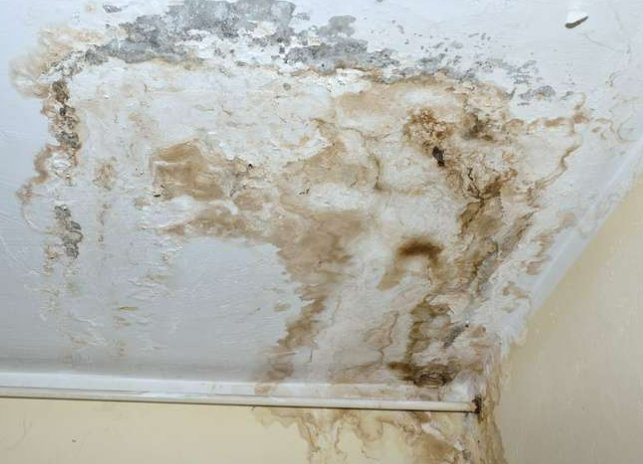
- Discoloration on walls or ceilings
- Warped baseboards
- Bubbling or peeling paint
- Dark spots inside cabinets
Smell
- Musty or earthy odors
- Smells that get stronger after using water
- Odors that return after cleaning
Moisture Clues
- Soft drywall
- Swollen cabinets
- Flooring that feels loose or uneven
If any of these appear after a plumbing issue, mold inspection is not optional—it’s smart.
Why Fixing the Leak Isn’t Enough
Stopping the leak is necessary. It’s not the finish line.
Fixing plumbing does not:
- Dry soaked building materials
- Remove mold-contaminated drywall or insulation
- Eliminate spores already in the air
- Prevent regrowth if moisture remains
Many property owners fix the pipe, repaint the stain, and move on—only to deal with recurring mold months later.
Leak repair stops the water. Mold remediation fixes the damage.
What To Do Immediately After a Plumbing Leak
Timing matters. The faster you act, the less damage you face.
Step 1: Stop the Water
Shut off the supply and repair the plumbing issue immediately.
Step 2: Dry the Area Fast
- Use dehumidifiers and air movers
- Don’t rely on household fans alone
- Aim to dry everything within 48 hours
Step 3: Inspect for Hidden Moisture
Moisture meters and thermal imaging can find wet areas behind walls and floors.
Step 4: Check for Mold Growth
If materials stayed wet longer than a day or two, mold testing or inspection makes sense—even if nothing is visible yet.
Step 5: Remove Unsalvageable Materials
Wet drywall, insulation, and particleboard usually need removal. Drying alone doesn’t fix contamination.
When to Call Mold Professionals
DIY cleanup works only for very small, surface-level issues. Call professionals if:
- Mold covers more than a few square feet
- Walls, floors, or cabinets are involved
- You smell mold but can’t find it
- The leak lasted more than 24–48 hours
- Anyone in the home has respiratory conditions
Professional remediation typically includes:
- Containment to prevent spread
- Removal of contaminated materials
- HEPA air filtration
- Thorough drying and moisture control
Cutting corners usually means paying twice.
Insurance Considerations in Brevard County
Insurance coverage depends on the source and timing of the leak.
Generally:
- Sudden, accidental leaks may be covered
- Long-term or neglected leaks usually aren’t
- Mold coverage may be capped or excluded
Document everything:
- Photos of damage
- Repair invoices
- Moisture readings
- Inspection reports
Notify your insurance provider early. Delays can weaken claims.
Preventing Mold From Future Plumbing Leaks
You can’t prevent every leak, but you can reduce mold risk:
- Inspect under sinks regularly
- Replace old supply lines proactively
- Watch for unexplained water bill increases
- Address slow drains and moisture immediately
- Monitor indoor humidity (keep it between 30–50%)
Small drips become big problems when ignored.
Final Thoughts for Merritt Island Property Owners
Plumbing leaks in Brevard County are common. Mold after them doesn’t have to be.
Key takeaways:
- Mold can start growing within 48 hours of a leak
- Hidden leaks cause the worst damage
- Fixing plumbing alone doesn’t solve mold problems
- Fast drying and inspection matter
- Professional remediation often saves money long-term
If you’ve had a plumbing leak—recent or old—and you’re unsure whether mold is an issue, that uncertainty is your cue to check. Catching mold early protects your air quality, your property value, and your sanity.
If you want help figuring out where mold is most likely hiding, whether an inspection is worth it, or what to do next, just say the word.
