
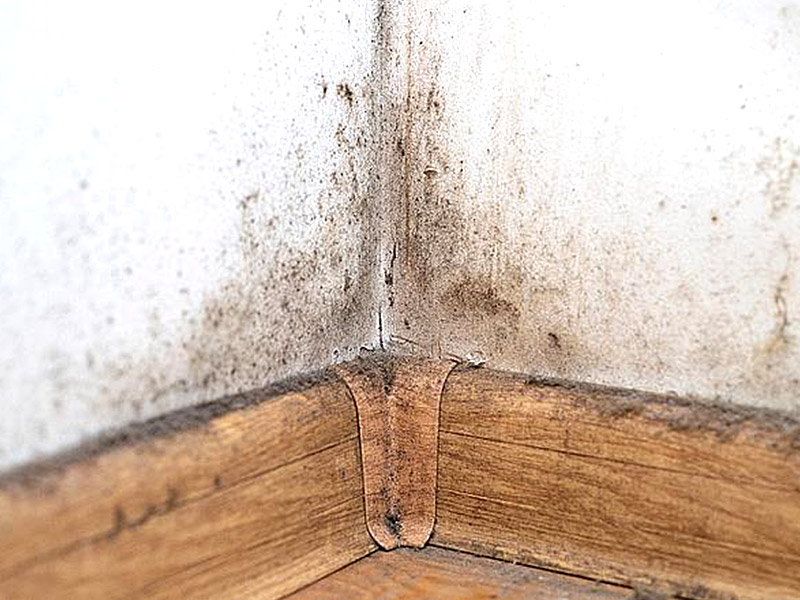
Does Insurance Cover Mold in Banana River: What Merritt Island Property Owners Should Know
Living near Banana River offers incredible waterfront access and the relaxed lifestyle that makes Merritt Island so appealing. But coastal living also brings moisture challenges that sometimes lead to mold problems inside homes.
When mold appears after water damage, many homeowners ask the same question: Will insurance cover this? The answer is not always straightforward. Mold coverage often depends on how the moisture problem started and how quickly it was addressed.
Because homes in Banana River communities face constant humidity, seasonal storms, and frequent rain exposure, understanding how insurance policies handle mold claims helps property owners avoid costly surprises.
Why Mold and Insurance Claims Are Connected
Mold rarely appears without moisture. It usually develops after water intrusion or prolonged dampness inside a home.
Common situations leading to mold include:
• Plumbing pipe bursts or leaks
• Appliance failures or overflows
• Roof leaks after storms
• Hurricane-related water intrusion
• AC condensation problems
• Floodwater entering the home
When moisture remains trapped behind walls, under flooring, or inside insulation, mold spores begin growing. By the time mold becomes visible, water damage may already be significant.
At that point, homeowners begin looking to insurance coverage for help with repairs and remediation.
Why Mold Problems Occur Frequently Near Banana River
Homes along Banana River and surrounding Merritt Island neighborhoods experience environmental conditions that increase moisture exposure.
Local factors include:
• Constant coastal humidity
• Frequent heavy rainstorms
• Hurricanes and tropical weather systems
• Elevated groundwater levels
• Salt air exposure affecting building materials
• Continuous air conditioning operation
Wind-driven rain during storms can push water into small openings around windows, roofs, and doors. Even minor intrusion can lead to moisture becoming trapped inside walls or flooring.
Because moisture sometimes remains hidden, homeowners may discover mold weeks or months after the original water event.
Insurance decisions often depend on whether damage is considered sudden or long-term.
When Insurance May Cover Mold Damage
Insurance policies differ, but mold cleanup may be covered when it results from a sudden, accidental water event.
Situations commonly associated with coverage include:
• Sudden pipe bursts
• Water heater failures
• Appliance hose ruptures
• Accidental overflows
• Storm-related roof damage allowing water entry
In these cases, mold forms as a result of a covered event. Insurance may pay for water damage repairs and mold remediation if the homeowner responds promptly and documents the damage.
Coverage depends on policy terms and how quickly damage is reported.
Situations Often Excluded From Coverage
Insurance typically does not cover mold caused by long-term maintenance or gradual moisture issues.
Examples often excluded include:
• Slow plumbing leaks left unrepaired
• Ongoing roof leaks
• Humidity-related mold growth
• Poor ventilation or maintenance issues
• Flood damage without separate flood insurance
• Long-term moisture intrusion
In Banana River homes, humidity alone can cause mold growth, but humidity-related mold is usually considered a maintenance issue rather than a covered event.
Understanding this distinction helps homeowners set realistic expectations.
Warning Signs Homeowners Should Act On Quickly
Insurance companies often expect homeowners to respond promptly to water damage. Quick action helps prevent mold spread and supports claims.
Homeowners should investigate immediately if they notice:
• Musty odors indoors
• Water stains on ceilings or walls
• Warped or buckling flooring
• Damp drywall or baseboards
• Peeling paint
• Mold appearing after storms
Delaying repairs may lead insurers to classify mold as long-term neglect rather than sudden damage.
Early inspections help limit damage and clarify claim eligibility.
Hidden Moisture Problems That Lead to Mold Claims
Many mold insurance claims begin with hidden water intrusion.
Common hidden sources include:
• Moisture inside wall cavities
• Attic leaks after storms
• AC drain line overflows
• Appliance leaks under flooring
• Plumbing leaks behind walls
• Storm damage not immediately visible
Homes near waterways often experience repeated storm exposure, increasing the likelihood of small leaks that gradually lead to mold.
Because damage isn’t always obvious, homeowners sometimes discover mold months after the event occurred.
Why DIY Cleanup Can Hurt Insurance Claims
After discovering mold, some homeowners start cleaning before documenting damage. While understandable, this can complicate insurance claims.
Common mistakes include:
• Removing damaged materials before inspection
• Cleaning mold without documenting water damage
• Painting over stains
• Failing to photograph damage
• Waiting too long to report the issue
Insurance adjusters often need to see original damage conditions. Removing evidence prematurely may weaken claims.
Professional inspections help document damage correctly.
Professional Mold Inspection and Documentation
Professional inspections help determine both contamination extent and moisture origin.
Inspection usually includes:
• Evaluating visible mold and water damage
• Measuring moisture levels in walls and floors
• Using moisture detection tools to find hidden damp areas
• Inspecting roofing, plumbing, and HVAC systems
• Identifying storm or leak-related damage
Air or surface samples may also be taken to measure mold spore levels when needed.
Inspection reports help homeowners understand whether mold likely resulted from sudden damage or long-term moisture exposure.
Mold Removal Merritt Island professionals frequently help Banana River homeowners identify storm-related moisture patterns after heavy rain events.
Proper Mold Removal After Water Damage
Once coverage decisions are made, remediation must address both mold contamination and the moisture cause.
Proper remediation typically includes:
• Containing affected areas
• Removing contaminated materials safely
• Cleaning structural surfaces
• Thoroughly drying affected spaces
• Repairing leaks or storm damage
• Rebuilding with moisture-resistant materials
Technicians verify moisture levels have returned to safe ranges before reconstruction is completed.
Professionals familiar with Merritt Island housing often recognize storm-related mold patterns quickly, improving repair outcomes.
Preventing Mold and Insurance Problems in the Future
Preventive maintenance helps reduce mold risks and potential insurance disputes.
Recommended steps include:
• Inspecting homes after storms or hurricanes
• Repairing roof or plumbing leaks promptly
• Maintaining HVAC systems regularly
• Monitoring indoor humidity levels
• Keeping gutters and drainage systems clear
• Scheduling periodic home inspections
Homes near Banana River benefit from routine moisture checks because exposure remains constant.
Regular maintenance often prevents minor moisture problems from becoming costly insurance claims.
Why Local Experience Matters
Mold situations in Banana River homes differ from inland areas due to coastal humidity and storm exposure.
Professionals experienced in Merritt Island understand:
• How storms affect local homes
• Which building designs trap moisture
• How coastal humidity impacts materials
• Where hidden mold typically develops
Local experience allows faster identification of water damage causes and better prevention strategies.
Mold Removal Merritt Island teams frequently assist homeowners dealing with mold after storms and moisture intrusion across Brevard County communities.
A Practical Next Step for Homeowners
If your home experiences water intrusion or mold appears after storms, scheduling an inspection quickly can help prevent further damage and clarify insurance options.
Most mold problems begin as manageable moisture issues that grow only when left unaddressed.
In Banana River communities, moisture awareness becomes part of responsible homeownership.
A professional evaluation helps property owners make informed decisions about protecting their homes and handling potential insurance claims.
