
Tenant Mold Rights in South Merritt Island: What Merritt Island Property Owners Should Know
South Merritt Island’s waterfront neighborhoods, canal communities, and residential rental areas make it a popular place for both long-term residents and seasonal tenants. But living in Florida’s coastal climate also brings one recurring challenge for renters and property owners alike: mold.
Because humidity, storms, and moisture exposure are constant factors in this part of Brevard County, mold problems sometimes arise even when homes appear well maintained. When mold shows up in rental housing, questions quickly follow about responsibility, repairs, and tenant rights.
For property owners, understanding tenant expectations and responsibilities helps avoid disputes and ensures rental homes remain safe and comfortable. For tenants, knowing when and how to report mold issues can prevent small problems from becoming major ones.
Understanding how mold situations typically unfold in South Merritt Island rental homes helps everyone involved handle moisture problems quickly and fairly.
Understanding Mold Issues in Rental Housing
Mold exists naturally in the environment and becomes a concern only when moisture allows it to grow indoors. Rental homes and apartments experience moisture from normal daily living as well as structural issues.
Common moisture sources include:
• Bathroom and kitchen steam
• Plumbing leaks
• Air conditioning condensation
• Roof or window leaks
• Storm or hurricane intrusion
• High indoor humidity
Once moisture lingers, mold spores settle on organic materials and begin growing on:
• Drywall and ceilings
• Cabinets and wood trim
• Flooring materials
• Insulation behind walls
• Closets and storage areas
Because mold often grows in hidden areas, tenants may notice odors or symptoms before visible mold appears.
In South Merritt Island, where homes sit close to waterways and experience constant coastal humidity, moisture problems can develop quickly if not addressed.
Why Mold Problems Occur Frequently in South Merritt Island Rentals
Rental homes in South Merritt Island face environmental challenges that inland properties experience less often.
Local factors include:
• Persistent coastal humidity year-round
• Frequent rainstorms and hurricanes
• Elevated groundwater moisture
• Continuous AC operation
• Salt air exposure affecting building materials
• Homes located near canals and waterways
Humidity alone can create mold problems without any visible leaks. When rental homes are closed up between tenants or used seasonally, moisture builds indoors rapidly.
Tenant behavior can also influence moisture levels. Long showers without ventilation, drying clothes indoors, or leaving windows open while running AC can increase humidity.
Older rental properties may also lack modern ventilation or insulation suited to Florida’s climate, increasing mold risks.
What Tenants Typically Expect When Mold Appears
When tenants discover mold or strong musty odors, they usually expect the property owner or management company to respond quickly.
Tenants commonly report:
• Musty smells indoors
• Visible mold spots on walls or ceilings
• Paint peeling or bubbling
• Damp or humid indoor air
• Warped flooring or cabinetry
• Mold returning after cleaning
In many cases, tenants simply want the moisture issue corrected and affected areas repaired so the home feels safe and comfortable again.
Prompt communication between tenants and landlords usually prevents disputes and keeps repairs manageable.
When Mold Becomes a Landlord Responsibility
In most situations, mold becomes the property owner’s responsibility when moisture originates from building issues rather than tenant actions.
Common landlord-responsibility situations include mold caused by:
• Plumbing leaks inside walls or floors
• Roof leaks after storms
• HVAC system problems
• Poor ventilation systems
• Exterior water intrusion
• Flood or storm damage
When moisture comes from building maintenance issues, the owner typically needs to repair both the moisture source and mold damage.
Quick responses help avoid property damage and tenant dissatisfaction.
Situations Where Tenant Behavior May Contribute
Not all mold situations stem from structural problems. Sometimes tenant behavior contributes to moisture buildup.
Examples include:
• Not reporting leaks promptly
• Blocking ventilation or exhaust fans
• Allowing excessive humidity from indoor activities
• Improper cleaning or maintenance practices
• Leaving properties closed without ventilation
Good communication and simple tenant education about moisture control can significantly reduce mold risk.
Clear lease agreements and maintenance expectations also help prevent misunderstandings.
Hidden Mold Sources Tenants and Owners May Miss
Mold problems often begin in areas neither tenants nor landlords see regularly.
Common hidden moisture sources include:
• Plumbing leaks from units above or adjacent
• AC drain line clogs or condensation overflow
• Roof leaks after storms
• Moisture intrusion around windows or doors
• Mold under flooring after appliance leaks
• Damp attics or crawl spaces
Homes near Banana River and Sykes Creek frequently experience higher moisture exposure, increasing risks.
Storm events can introduce small amounts of water that remain hidden until mold becomes visible months later.
Previous repairs sometimes cover visible damage without correcting moisture conditions, allowing mold to return.
Why Surface Cleaning Often Doesn’t Solve the Problem
Tenants sometimes try to clean visible mold using household cleaners before notifying management. While this may temporarily remove stains, it rarely fixes the moisture source.
Common mistakes include:
• Cleaning mold without addressing leaks
• Painting over stains
• Using bleach on porous materials
• Ignoring ventilation issues
• Failing to dry damp areas
If moisture remains present, mold typically returns.
Professional remediation focuses on removing contamination while correcting moisture conditions so mold does not reappear.
How Professional Mold Inspection and Testing Helps
Professional inspections help determine how extensive mold problems are and where moisture originates.
Inspection typically includes:
• Evaluating visible mold or water damage
• Measuring indoor humidity levels
• Using moisture meters to locate hidden damp areas
• Inspecting HVAC systems and ducts
• Examining attic or crawl space conditions
If hidden contamination is suspected, small openings may be made to confirm mold growth.
Air or surface samples may also be taken to measure mold spore levels. Lab results help determine whether contamination is localized or affecting the entire home.
This process allows owners and tenants to understand what repairs are needed before remediation begins.
Proper Mold Removal and Remediation Process
Effective mold remediation requires careful containment to prevent spores from spreading.
A professional remediation process usually includes:
• Isolating affected areas
• Safely removing contaminated materials
• Cleaning structural surfaces
• Thoroughly drying affected spaces
• Repairing leaks or ventilation issues
• Rebuilding using moisture-resistant materials
After remediation, technicians confirm moisture levels are safe before repairs are finalized.
Professionals familiar with Merritt Island housing styles often recognize humidity-related mold patterns quickly.
Mold Removal Merritt Island teams frequently address rental property mold problems related to coastal humidity and storm exposure throughout South Merritt Island.
Preventing Mold Problems in Rental Homes
Prevention is usually less costly and less disruptive than remediation.
Helpful prevention steps include:
• Inspecting properties between tenants
• Repairing leaks quickly
• Maintaining HVAC systems regularly
• Ensuring bathroom and kitchen exhaust fans work
• Monitoring indoor humidity levels
• Educating tenants about moisture control
• Inspecting homes after storms
Vacant properties should maintain humidity control to prevent moisture buildup before new tenants arrive.
Routine inspections help owners catch small issues early.
Why Local Experience Matters
Mold issues in South Merritt Island rental homes differ from inland areas due to constant coastal moisture exposure.
Professionals familiar with local communities understand:
• How humidity behaves in island homes
• Which construction styles trap moisture locally
• How storms affect properties
• Where hidden mold commonly develops
Local experience leads to faster problem identification and more reliable long-term prevention strategies.
Professionals serving Merritt Island communities tailor solutions based on environmental conditions unique to coastal living, and Mold Removal Merritt Island crews routinely address moisture patterns specific to the area.
A Practical Next Step for Property Owners
If tenants report musty odors or mold concerns, arranging an inspection early can prevent larger structural repairs later.
Most mold problems begin as manageable moisture issues that worsen only when ignored.
In South Merritt Island rental communities, moisture awareness becomes part of responsible property ownership.
A professional evaluation helps landlords protect their investment while ensuring tenants have safe and comfortable living spaces.
Image Generation Prompts
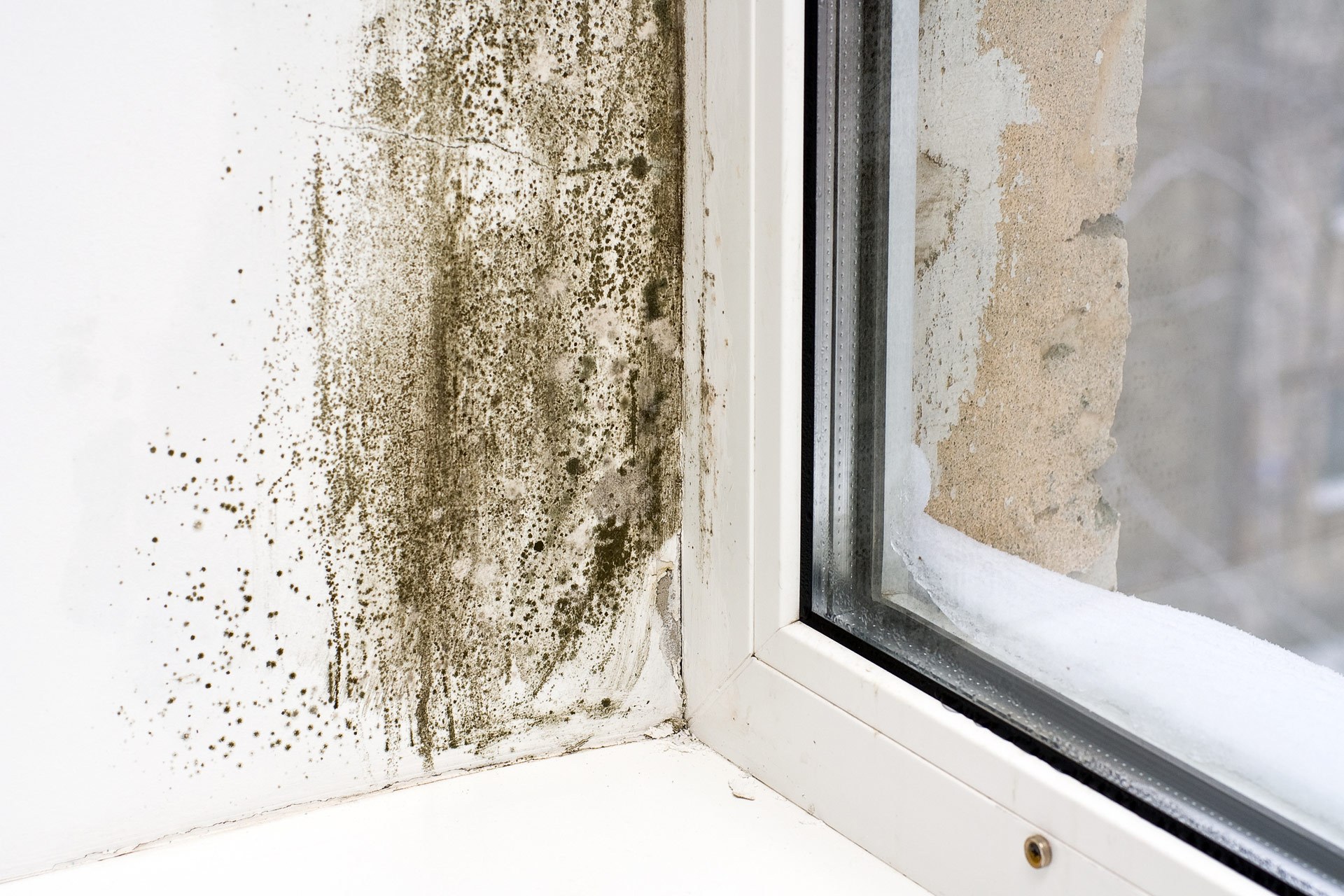
• Mold growth on interior drywall of a Florida rental home caused by coastal humidity, realistic lighting, clean environment, no people, no text or logos
• Mold damage near air conditioning vent in Merritt Island rental property caused by moisture buildup, uncluttered professional scene, no branding or text
