
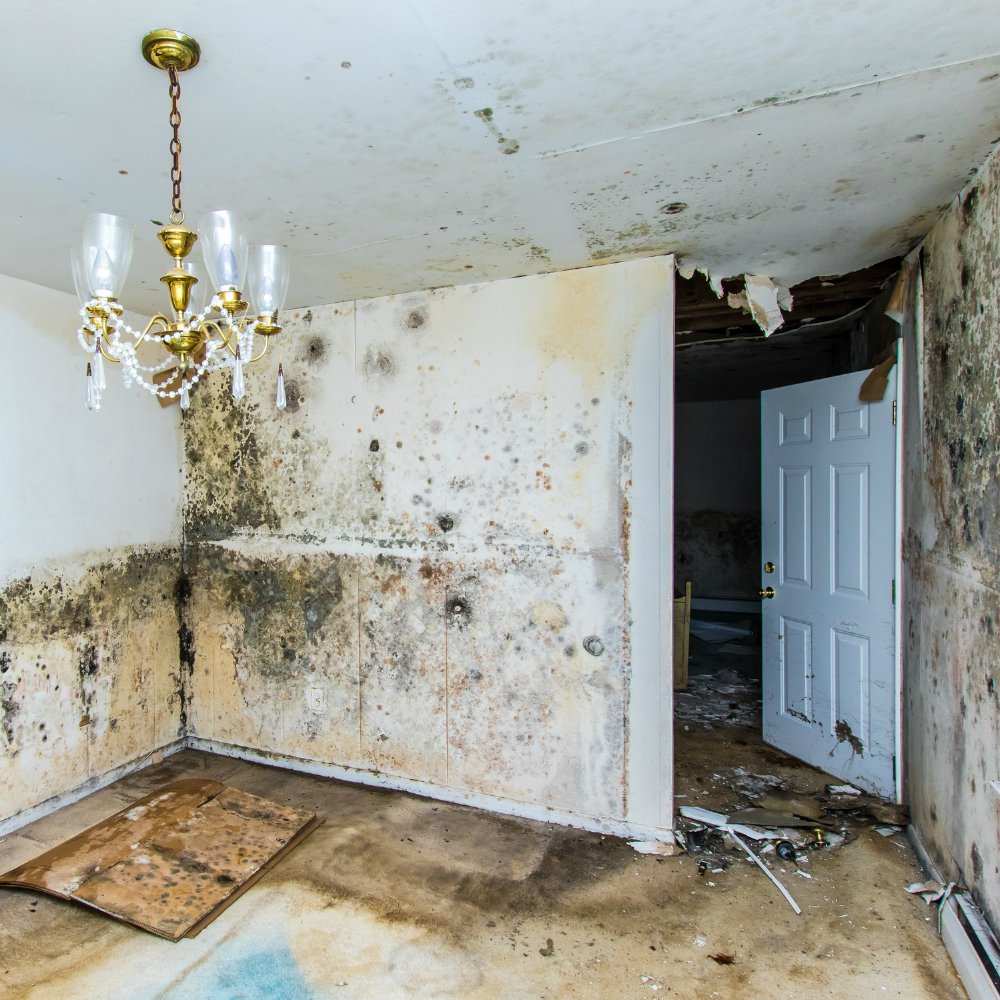
Mold After Flooding in North Merritt Island: What Merritt Island Property Owners Should Know
Flooding changes everything for a home in North Merritt Island. Whether it’s storm surge, heavy rain overwhelming drainage, or water pushed inside by a hurricane, flooding introduces large volumes of moisture into places that were never designed to get wet. In Brevard County’s humid climate, that moisture doesn’t simply dry out on its own—and mold often follows faster than homeowners expect.
For property owners in Merritt Island, mold after flooding isn’t a rare complication. It’s one of the most common and costly secondary problems when water isn’t removed, dried, and evaluated thoroughly. Understanding how mold develops after flooding, where it hides, and how to respond correctly can prevent long-term damage and repeated issues.
Why Flooding Almost Always Leads to Mold Here
Floodwater saturates a home far beyond what’s visible on the surface. In North Merritt Island, several factors make mold after flooding especially likely.
High Humidity Slows Drying
Even after standing water is removed, indoor humidity remains high. Materials like drywall, wood, and insulation hold moisture longer, especially when outdoor air is also humid.
Slab Foundations Hold Moisture
Most homes are built on concrete slabs. After flooding:
- Water saturates the surrounding soil
- Moisture migrates upward through the slab
- Lower walls and flooring stay damp for extended periods
This creates ideal conditions for mold growth near baseboards and inside wall cavities.
Floodwater Reaches Hidden Areas
Floodwater doesn’t just wet floors. It moves into:
- Wall cavities
- Insulation
- Cabinets and vanities
- HVAC components
These areas often remain wet long after surfaces appear dry.
Types of Flooding That Trigger Mold Problems
Not all flooding looks dramatic, but it can still cause major mold issues.
Storm Surge and Coastal Flooding
Water pushed inland during storms can enter homes quickly and contaminate multiple materials at once.
Heavy Rainfall and Drainage Overflow
Sustained rain can overwhelm drainage systems, allowing water to enter garages, living areas, or crawl spaces.
Hurricane-Related Flooding
Hurricanes often combine wind-driven rain, roof damage, and flooding, creating multiple moisture sources at the same time.
Receding Floodwater
Even after water recedes, moisture remains trapped in materials that can’t dry naturally.
Where Mold Commonly Develops After Flooding
After flooding in North Merritt Island homes, mold is often found in places homeowners don’t immediately check.
Common locations include:
- Lower drywall and baseboards
- Inside wall cavities
- Under flooring and carpet padding
- Cabinets, vanities, and toe-kicks
- AC closets and air handlers
- Duct insulation
- Attics if roof damage occurred
Visible mold usually appears after hidden growth has already started.
Early Signs Mold Is Developing After a Flood
Mold doesn’t always show up as obvious patches right away. Early warning signs often include:
Odors
- Musty or earthy smells
- Odors strongest in the morning
- Smells returning after AC cycles
Visual Changes
- Bubbling or peeling paint
- Discoloration near the floor line
- Staining around vents or cabinets
Moisture Clues
- Walls or floors that still feel damp
- Condensation on vents
- Areas that never seem to fully dry
These signs usually indicate moisture trapped behind surfaces.
Why Basic Drying Isn’t Enough After Flooding
After a flood, many homeowners focus on removing standing water and drying visible areas. In Florida, that’s rarely sufficient.
Common issues include:
- Drying only the surface layers
- Leaving wet insulation inside walls
- Missing moisture under flooring
- Ignoring humidity levels
- Not evaluating HVAC systems
Mold can grow on the back of drywall or inside insulation even when rooms look dry.
Why DIY Cleanup After Flooding Often Fails
After flooding, homeowners often try:
- Fans and open windows
- Household dehumidifiers
- Bleach or disinfectants
- Painting over damaged areas
These steps may improve appearance but often:
- Miss hidden moisture
- Spread mold spores
- Allow mold to return weeks later
Without moisture detection and verification, DIY cleanup usually leads to repeat problems.
How Professional Inspections Help After Flooding
A professional mold inspection after flooding focuses on what can’t be seen.
Moisture Mapping
Inspectors use professional tools to identify:
- Damp drywall and insulation
- Moisture migrating from slabs
- Wet areas behind cabinets or walls
This helps locate areas at highest risk for mold growth.
HVAC Evaluation
Flooding often affects HVAC systems, even if water didn’t visibly reach them. Inspections look for:
- Contaminated duct insulation
- Moisture inside air handlers
- Condensation issues after restart
HVAC involvement can spread mold throughout the home if not addressed.
Attic and Structural Checks
If storms caused roof damage, inspectors check for:
- Wet insulation
- Moisture on roof decking
- Hidden leaks
These areas are often overlooked after flood cleanup.
When Mold Testing Makes Sense After Flooding
Mold testing may be recommended when:
- Mold is suspected but not visible
- Documentation is needed
- Post-remediation verification is required
Testing supports decisions but never replaces moisture investigation and drying.
Proper Mold Remediation After Flooding
When mold is confirmed, remediation must address both contamination and moisture.
- Correct the water source
Flood entry points, drainage, or structural issues must be addressed. - Contain affected areas
Barriers prevent spores from spreading during removal. - Remove contaminated materials
Flood-soaked drywall, insulation, and flooring are often removed because they cannot be safely dried. - HEPA cleaning and air filtration
Surfaces and indoor air are cleaned professionally. - Drying and verification
Moisture levels are confirmed dry before rebuilding.
Skipping steps is the most common reason mold returns after flooding.
Does Flooding Always Mean Mold Will Develop?
Not always—but the risk is high if:
- Materials stayed wet longer than 24–48 hours
- Humidity remained elevated
- Drying was incomplete
- Hidden areas weren’t checked
Early professional evaluation greatly reduces the likelihood of mold problems.
Preventing Mold After Flooding
Prevention starts immediately after water exposure.
Key steps include:
- Removing water as quickly as possible
- Using professional-grade drying and dehumidification
- Inspecting behind walls and under flooring
- Evaluating HVAC systems before full use
- Monitoring humidity levels
- Scheduling a professional inspection if moisture persists
Speed and thoroughness make the biggest difference.
Why Local Experience Matters in North Merritt Island
Flooding impacts Florida homes differently than homes in dry climates. Slab foundations, coastal humidity, and storm patterns all affect how moisture spreads and lingers.
A local company like Brevard Mold Inspections & Removal understands:
- How North Merritt Island homes retain flood moisture
- Where mold typically develops after flooding
- How to assess damage without unnecessary demolition
Local experience helps homeowners avoid missed issues and repeat repairs.
A Calm, Practical Takeaway
Mold after flooding in North Merritt Island isn’t a sign of failure—it’s a sign that moisture needs to be managed carefully and completely. The sooner hidden moisture is identified and addressed, the easier it is to prevent mold and protect your home.
If your property has experienced flooding and you’re noticing odors, dampness, or changes in indoor comfort, a professional inspection can clarify what’s happening and guide the right next steps.
Brevard Mold Inspections & Removal works with homeowners throughout Merritt Island and Brevard County to assess post-flood mold risks responsibly and prevent long-term problems.
In this climate, careful follow-up after flooding is one of the smartest decisions a property owner can make.
