
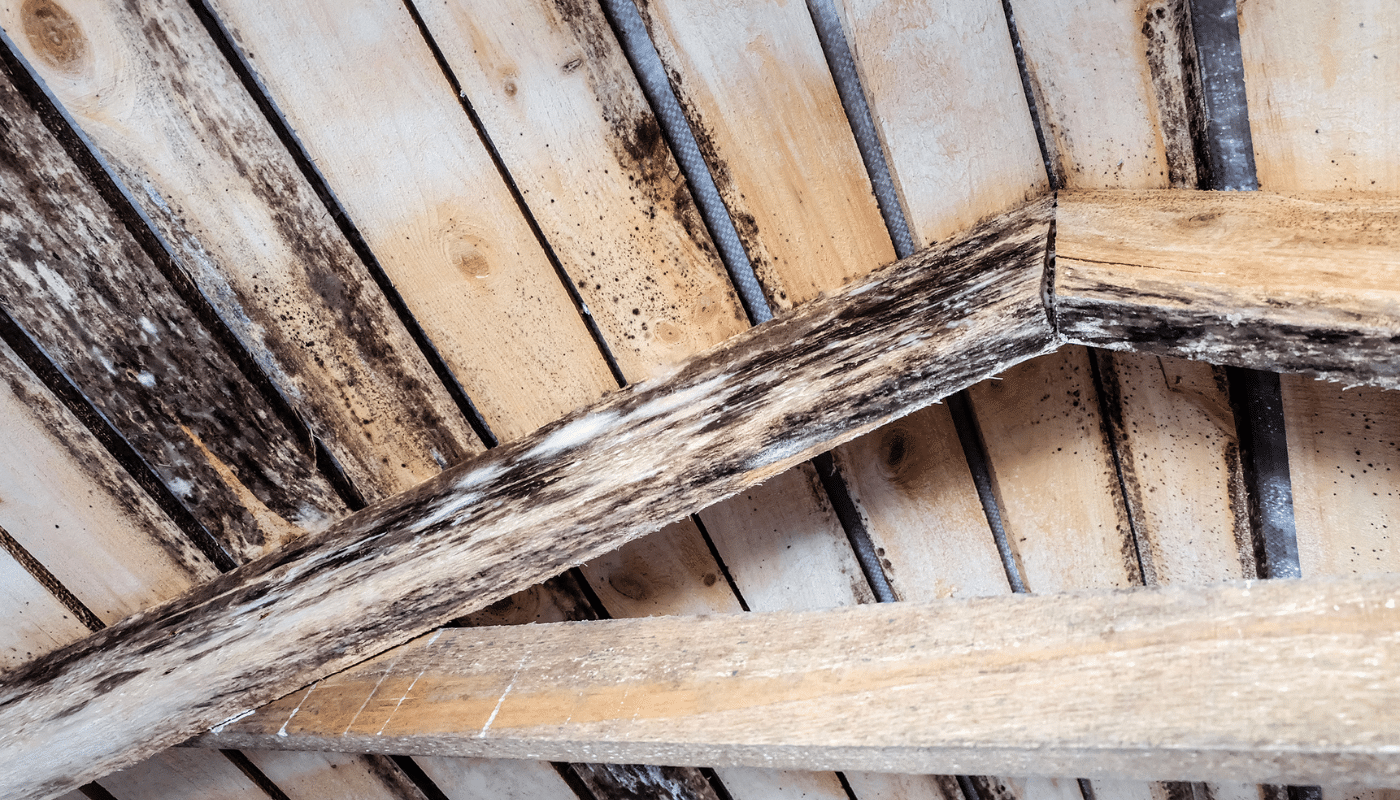
Mold Removal in North Merritt Island: What Merritt Island Property Owners Should Know
Mold removal in North Merritt Island is rarely a quick wipe-down and move on. In this part of Brevard County, mold problems are usually tied to persistent humidity, slab moisture, AC condensation, and storm-related intrusion. When mold becomes visible, it’s often just the surface sign of a deeper moisture issue that’s been developing quietly.
For homeowners in Merritt Island, understanding what proper mold removal actually involves—and what it doesn’t—can prevent repeat growth, unnecessary demolition, and rising costs. This guide explains why mold is common in North Merritt Island homes, how professional mold removal works, and what homeowners should expect before, during, and after the process.
What “Mold Removal” Really Means in Florida Homes
Mold removal is not the same thing as cleaning. In Florida’s climate, effective mold removal is a controlled process focused on moisture correction and safe material handling.
Proper mold removal includes:
- Identifying and correcting the moisture source
- Isolating affected areas to prevent spread
- Removing mold-contaminated porous materials
- Cleaning remaining surfaces and air
- Verifying dryness before repairs
What it is not:
- Spraying bleach on drywall
- Painting over stains
- Replacing a single panel without investigation
If moisture remains, mold almost always returns.
Why Mold Is So Common in North Merritt Island
North Merritt Island homes face several overlapping moisture challenges.
High Coastal Humidity
Humidity stays elevated day and night. Even without rain, indoor moisture builds if AC systems aren’t removing enough humidity.
Slab Foundations
Most homes are slab-on-grade. After rain:
- Soil saturates
- Moisture migrates upward through concrete
- Lower walls and flooring stay damp longer
This is why mold often appears near baseboards with no visible leak.
Heavy AC Use and Condensation
Air conditioning runs most of the year, producing:
- Condensate in drain pans
- Moisture around air handlers
- Damp duct insulation if airflow is uneven
AC-related mold is one of the most common removal scenarios locally.
Storms and Wind-Driven Rain
Wind-driven rain can enter wall cavities through:
- Roof flashing
- Windows and doors
- Small exterior penetrations
Water may soak insulation without dripping inside, allowing mold to grow unseen.
Common Signs Mold Removal Is Needed
Homeowners usually consider removal after noticing patterns, not a single event.
Common warning signs include:
- Visible mold on drywall or ceilings
- Musty odors that don’t go away
- Mold that returns after cleaning
- Bubbling or peeling paint
- Staining near baseboards or vents
- Mold discovered during inspections or renovations
If mold is visible, there’s often more hidden nearby.
Where Mold Is Commonly Found in North Merritt Island Homes
Mold removal projects frequently involve growth in:
- Behind drywall near AC units
- Closets on exterior walls
- Attics with condensation issues
- Under sinks and inside cabinets
- Around windows after storms
- Lower walls near slab foundations
- HVAC components and duct insulation
Visible growth is usually only part of the picture.
Why DIY Mold Cleanup Often Backfires
Many homeowners try to handle mold themselves before calling a professional.
Common DIY mistakes include:
- Using bleach on porous materials
- Scrubbing without containment
- Running fans without dehumidification
- Painting over mold-stained areas
- Removing drywall without stopping moisture
These actions can:
- Spread spores through the home
- Drive moisture deeper into materials
- Increase the size of the affected area
DIY cleanup often turns a manageable issue into a larger remediation.
How Professional Mold Removal Works
Proper mold removal follows a structured, step-by-step approach designed to stop mold long-term.
1. Moisture Source Correction
Removal does not begin until moisture problems are addressed, which may include:
- AC drain line or pan repairs
- Roof or flashing repairs
- Plumbing fixes
- Ventilation improvements
Without moisture control, removal will fail.
2. Containment
Affected areas are isolated using barriers and negative air pressure to prevent spores from spreading to clean parts of the home.
3. Removal of Contaminated Materials
Porous materials such as:
- Drywall
- Insulation
- Carpet padding
are removed when they cannot be safely dried or cleaned.
4. HEPA Cleaning and Air Filtration
Professional HEPA equipment is used to:
- Clean remaining surfaces
- Capture airborne particles
- Protect indoor air quality
5. Drying and Verification
Before repairs begin:
- Moisture levels are measured
- Materials are confirmed dry
- Conditions are documented
Skipping verification is a common reason mold comes back.
What Homeowners Can Expect During Mold Removal
During removal, homeowners may notice:
- Plastic containment barriers
- Air filtration equipment
- Temporary access restrictions
- Removal of affected materials
These steps are normal and necessary to protect the rest of the home.
Does Mold Removal Mean You Have to Leave the House?
Not always.
Whether temporary relocation is needed depends on:
- Size of the affected area
- Location of the mold
- HVAC involvement
- Occupant sensitivity
Many North Merritt Island mold removal projects are completed with occupants present, using proper containment.
Mold Removal vs. Mold Remediation
The terms are often used interchangeably, but the idea is the same: remove contamination and fix the cause.
If moisture isn’t corrected, neither removal nor remediation will last.
Preventing Mold After Removal
Successful mold removal includes prevention planning.
Key steps include:
- Maintaining indoor humidity between 30–50%
- Running AC systems consistently
- Using dehumidifiers in problem areas
- Keeping airflow in closets
- Inspecting AC drain systems regularly
- Addressing water intrusion within 24–48 hours
Prevention protects the investment made in removal.
Why Local Experience in North Merritt Island Matters
Mold removal in Brevard County is different than in dry climates. Coastal humidity, slab construction, and storm patterns all influence how mold grows and spreads.
A local company like Brevard Mold Inspections & Removal understands:
- How North Merritt Island homes trap moisture
- Where mold typically starts in local construction
- How to remove mold without unnecessary demolition
Local experience helps ensure the problem is solved correctly the first time.
A Calm, Practical Next Step
Mold removal doesn’t mean your home is failing. It means moisture needs to be managed properly.
If your North Merritt Island home has visible mold, recurring odors, or confirmed contamination, a professional assessment can clarify the scope and guide responsible removal.
Brevard Mold Inspections & Removal works with homeowners throughout Merritt Island and Brevard County to remove mold safely, accurately, and with long-term prevention in mind.
Addressing mold correctly now is almost always easier—and less expensive—than dealing with repeat problems later.
