
Mold Myths and Facts in Indian River: What Merritt Island Property Owners Should Know
Homes along the Indian River enjoy beautiful scenery, waterfront breezes, and the relaxed lifestyle Merritt Island residents appreciate year-round. But living near the water also brings challenges — and one of the most misunderstood issues homeowners face is mold.
Many property owners hear conflicting advice about mold: some believe it is always dangerous, while others think it’s harmless or easy to clean away. Misinformation often leads to unnecessary worry or, just as often, ignoring problems that eventually become expensive repairs.
Understanding the truth behind common mold myths helps Indian River homeowners protect their homes without panic or confusion. Knowing what mold actually is, how it grows, and how to deal with it properly makes a big difference in maintaining a safe and comfortable living environment.
Understanding Mold in Everyday Homes
Mold is a natural part of the environment. Microscopic mold spores exist everywhere outdoors and indoors. They float through the air and usually cause no problems.
The issue begins when spores land on damp surfaces inside a home and start growing. Once mold grows, it releases more spores, allowing colonies to expand and spread to new damp areas.
Homes near the Indian River experience ideal mold conditions due to humidity, frequent rainstorms, and moisture exposure. Even well-maintained houses can develop mold if moisture problems are not corrected quickly.
Before looking at prevention and solutions, it helps to separate myths from facts.
Myth: Mold Only Grows in Dirty Homes
A common misconception is that mold appears only in homes that are poorly maintained or unclean.
Fact
Mold grows because of moisture, not dirt. Even spotless homes can develop mold if water leaks, humidity remains high, or ventilation is poor.
Many Indian River homes are well kept but still experience mold after:
• Roof leaks during storms
• AC condensation problems
• Plumbing leaks
• Flooding or water intrusion
• Poor attic ventilation
Cleanliness helps with general maintenance, but moisture control is what prevents mold growth.
Myth: Bleach Permanently Kills Mold
Bleach is often used by homeowners attempting to clean mold, and many believe it solves the problem entirely.
Fact
Bleach may remove surface stains but usually does not eliminate mold in porous materials like drywall or wood. Mold roots can remain below the surface, allowing growth to return.
Bleach also does not fix the moisture source causing mold. Without addressing damp conditions, mold typically comes back.
Professional cleanup focuses on removing contaminated materials and correcting moisture problems rather than simply cleaning surfaces.
Myth: If You Can’t See Mold, It Isn’t There
Some homeowners assume that mold only exists when visible spots appear.
Fact
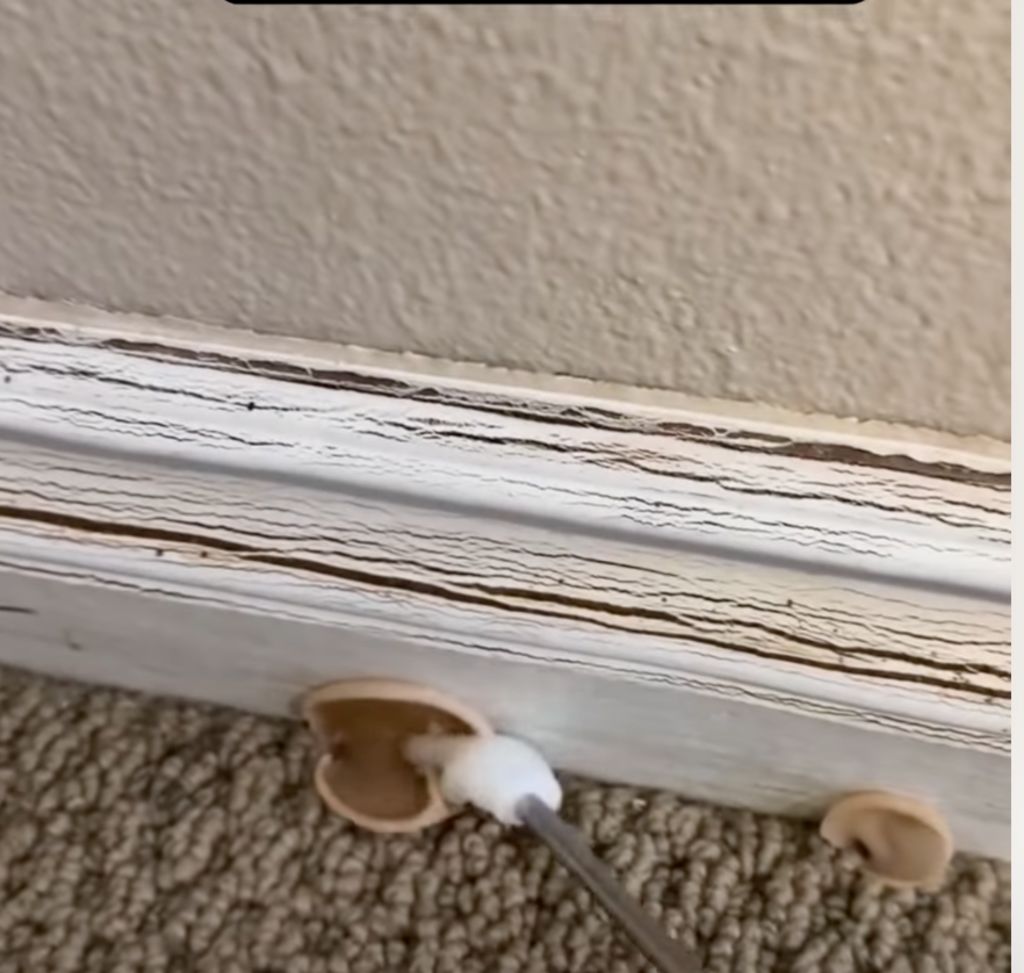
Mold often grows in hidden areas first. Many Indian River homes develop mold behind walls, under flooring, or inside attics and HVAC systems long before it becomes visible.
Warning signs may include:
• Musty odors
• Increased indoor humidity
• Allergy-like symptoms indoors
• Water stains or discoloration
• Damp or humid rooms
By the time mold becomes visible, it may have already spread beyond the original moisture source.
Myth: Mold Testing Is Always Necessary
Homeowners sometimes believe testing is required for every mold situation.
Fact
Testing is helpful in certain situations but not always necessary. If visible mold is clearly present, remediation can often begin without testing.
Testing becomes useful when:
• Mold is suspected but not visible
• Indoor air quality concerns exist
• Buying or selling a home
• Confirming successful cleanup after remediation
• Determining contamination extent
Professional inspections help determine whether testing will provide helpful information.
Myth: New Homes Don’t Get Mold
Many buyers assume newly built homes are mold-proof.
Fact
New construction homes can develop mold just like older homes, sometimes even faster.
Construction materials may absorb moisture during building. If homes are sealed before materials dry fully, mold can grow inside walls or attics.
Newer homes also tend to be tightly sealed for energy efficiency, which sometimes traps moisture indoors if ventilation is insufficient.
Homes along Indian River still face the same humidity challenges regardless of age.
Myth: Mold Problems Always Require Major Renovation
Some homeowners fear that mold discovery automatically means tearing apart walls or major reconstruction.
Fact
Many mold problems are localized and manageable if caught early. Small areas can often be treated without major repairs.
However, when mold spreads due to long-term moisture problems or flooding, more extensive remediation may be necessary.
Early inspections often keep solutions simpler and less disruptive.
Myth: Mold Only Appears After Flooding
Flooding certainly creates mold risks, but it is not the only cause.
Fact
Many mold problems develop from everyday moisture sources, including:
• AC condensation
• Plumbing leaks
• Poor bathroom ventilation
• Roof leaks
• Window condensation
• Crawl space moisture
Indian River homes often experience mold from humidity buildup alone, even without obvious water damage.
Hidden Mold Sources Many Homeowners Overlook
Some mold growth areas remain unnoticed for years because they are out of sight.
Common hidden mold locations include:
• Behind drywall after leaks
• Under carpet or flooring
• Inside attic insulation
• Around HVAC equipment
• Crawl spaces absorbing ground moisture
• Behind cabinets or appliances
Homes near waterways sometimes experience gradual moisture buildup, allowing mold to grow slowly without immediate detection.
Professional inspections often uncover these hidden areas.
Why DIY Mold Removal Sometimes Makes Things Worse
Homeowners frequently try to solve mold problems themselves, often with good intentions.
Unfortunately, improper cleaning may spread spores instead of removing contamination.
Common mistakes include:
• Scrubbing mold without containment
• Using fans that spread spores
• Removing materials without protection
• Failing to address moisture sources
Professional remediation prevents spores from spreading while safely removing contamination.
How Professional Mold Remediation Works
Proper remediation focuses on removal and prevention.
A typical process includes:
• Containment of affected areas
• HEPA air filtration to capture spores
• Removal of mold-damaged materials
• Cleaning nearby surfaces
• Correcting moisture problems
• Drying affected areas fully
Local professionals such as Mold Removal Merritt Island understand how Merritt Island’s coastal climate influences mold growth and tailor solutions accordingly.
Correcting moisture issues prevents mold from returning.
Preventing Mold in Indian River Homes
While humidity cannot be eliminated near the Indian River, homeowners can reduce risks by controlling moisture.
Helpful prevention steps include:
• Maintaining indoor humidity below 60%
• Regular AC maintenance and drain cleaning
• Inspecting roofs after storms
• Fixing plumbing leaks quickly
• Improving attic ventilation
• Using dehumidifiers in damp rooms
• Checking crawl spaces regularly
• Venting bathrooms and kitchens outdoors
Routine inspections help catch small moisture issues before mold becomes widespread.
Why Local Experience Matters for Mold Solutions
Homes across Merritt Island vary greatly based on age, location, and construction style.
Local experience matters because professionals familiar with Indian River neighborhoods understand common moisture patterns, storm exposure, and ventilation challenges.
Professionals serving Merritt Island communities can often identify moisture problems faster, saving homeowners time and expense.
Local expertise also helps ensure solutions match coastal living conditions rather than generic approaches.
A Calm Next Step for Concerned Property Owners
If you suspect mold in your home or are unsure whether a problem exists, scheduling a professional inspection can provide clarity and peace of mind.
Early action typically prevents more costly repairs later. Addressing moisture problems protects both property value and indoor comfort.
With proper inspection and moisture management, homeowners can enjoy Indian River living without ongoing mold concerns.
A calm, informed approach helps ensure homes remain safe and comfortable year-round.
Image Generation Prompts
- Hidden mold discovered behind drywall after moisture intrusion in a Florida coastal home, clean residential interior, realistic lighting, no people, logos, or text.
- Mold growth forming around ceiling AC vent due to humidity and condensation in Florida home, uncluttered residential room, realistic lighting, no people or branding.
