
Why Mold Keeps Coming Back in Banana River: What Merritt Island Property Owners Should Know
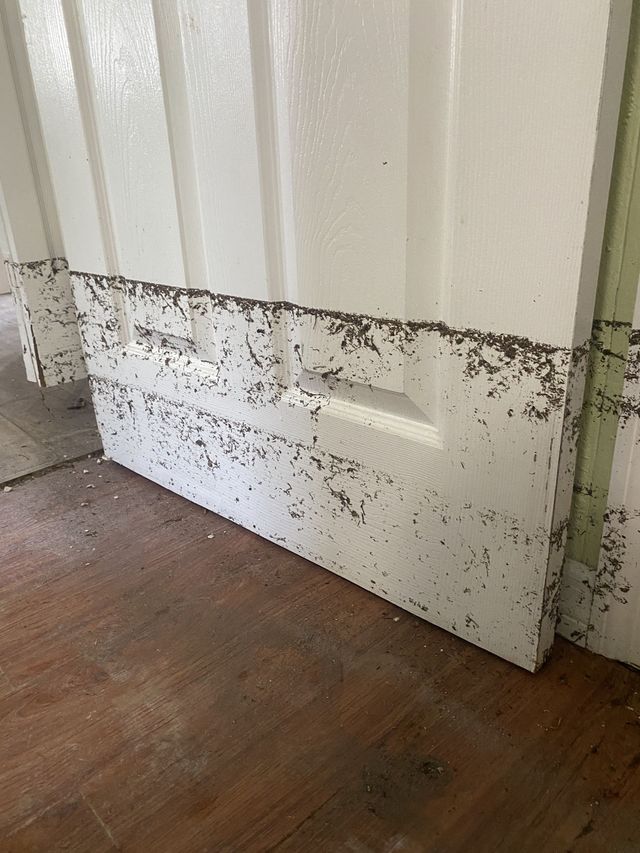
Homes along the Banana River enjoy beautiful waterfront living, steady breezes, and easy access to everything Merritt Island offers. But homeowners in this area often run into one frustrating problem: mold that keeps coming back even after cleaning or previous removal attempts.
Many residents wipe away visible mold, repaint a wall, or replace damaged drywall, only to find mold returning weeks or months later. This repeated cycle can be confusing and costly, especially when homeowners believe the problem was already fixed.
Understanding why mold keeps returning in Banana River homes is the first step toward stopping the problem permanently. The issue usually isn’t the cleaning itself — it’s the conditions that allow mold to regrow.
Understanding Why Mold Returns
Mold spores naturally exist both outdoors and indoors. Eliminating spores completely is impossible. The real issue is moisture.
Mold only grows when spores land on damp surfaces with enough humidity to support growth. If moisture conditions remain, mold can quickly return even after visible cleanup.
When mold keeps coming back, it usually means:
• Moisture sources still exist
• Hidden mold colonies remain untreated
• Humidity levels are too high indoors
• Previous cleanup addressed symptoms, not causes
In Banana River homes, moisture problems are often subtle and ongoing, making mold recurrence common.
Why Banana River Homes Face Persistent Mold Problems
The Banana River area creates unique environmental conditions that increase mold risks compared to inland neighborhoods.
Homes here experience constant exposure to coastal humidity. Even well-maintained homes struggle to keep indoor humidity consistently low.
Common local contributors include:
• High humidity year-round
• Frequent summer rainstorms
• Hurricane and tropical storm moisture exposure
• Salt air increasing moisture retention
• Waterfront homes exposed to damp breezes
• High water tables beneath homes
• Constant AC use creating condensation
Even minor moisture issues can allow mold to regrow if they are not completely resolved.
Signs Mold Is Returning Instead of Being Eliminated
Homeowners often notice mold returning in familiar spots, but early warning signs sometimes appear first.
Common indicators include:
• Musty smells returning after cleaning
• Stains reappearing on walls or ceilings
• Dark spots returning in corners or closets
• Recurring bathroom or kitchen mold
• Paint peeling or bubbling again
• Persistent damp indoor feeling
Sometimes mold returns in a new location because spores spread through airflow and settle where moisture exists elsewhere in the home.
Hidden Moisture Sources That Cause Mold to Return
Many recurring mold problems come from moisture sources homeowners rarely see.
Common hidden causes include:
Leaking plumbing inside walls that never fully dried
Roof leaks that soaked attic insulation
AC condensation collecting inside ducts or air handlers
Moist crawl spaces allowing moisture into floors
Previous storm damage that wasn’t completely repaired
Water trapped under flooring after flooding
Poor attic ventilation trapping heat and moisture
In Banana River homes, repeated exposure to humidity means moisture often lingers long after initial water damage.
If hidden damp areas remain untreated, mold simply grows back.
Why Surface Cleaning Doesn’t Solve the Problem
Many homeowners attempt to clean mold using bleach or household cleaners. While stains may temporarily disappear, mold often returns.
This happens because:
• Bleach does not penetrate porous materials like drywall or wood
• Mold roots remain embedded below surfaces
• Cleaning spreads spores into the air
• Moisture sources are not corrected
Scrubbing mold without containment also spreads spores to other rooms, allowing mold to establish in new locations.
Cleaning visible mold without solving moisture problems usually guarantees recurrence.
How Mold Spreads and Reinfects Homes
Once mold grows in one location, spores easily spread throughout the home.
Air conditioners, fans, and even normal movement inside the home circulate spores. Spores settle wherever moisture exists, starting new colonies.
Activities that unintentionally spread mold include:
• Running HVAC systems through contaminated areas
• Cleaning mold without containment
• Renovations disturbing moldy materials
• Walking across damp areas
• Moving contaminated belongings
Even after one mold area is cleaned, spores may already exist elsewhere waiting for moisture to grow again.
How Professionals Determine Why Mold Keeps Returning
When mold repeatedly comes back, professional inspections focus on identifying why.
A proper inspection includes:
Visual Inspection
Professionals examine visible mold, water damage, and ventilation patterns while discussing the home’s moisture history.
Moisture Detection
Specialized tools locate hidden moisture inside walls, ceilings, and floors.
Air Sampling
Air testing compares indoor and outdoor mold spore levels to detect hidden contamination.
Surface Sampling
Samples confirm mold presence and guide remediation strategy.
This process helps determine whether mold remains hidden or new moisture sources are fueling growth.
Proper Remediation Prevents Mold From Returning
Professional mold remediation differs from simple cleaning. The goal is to eliminate mold and prevent future growth.
Remediation typically includes:
• Containing contaminated areas
• Removing mold-damaged materials safely
• Cleaning surrounding surfaces
• Filtering airborne spores
• Correcting moisture problems
• Drying all affected areas thoroughly
• Improving ventilation or drainage
Local professionals such as Mold Removal Merritt Island tailor remediation plans to coastal homes, ensuring underlying moisture conditions are corrected.
If moisture is not addressed, mold will almost always return.
How Banana River Homeowners Can Prevent Mold Recurrence
Because humidity is unavoidable near the water, prevention focuses on moisture management.
Effective prevention steps include:
• Keeping indoor humidity below 55–60%
• Scheduling regular AC maintenance
• Cleaning AC drain lines routinely
• Fixing plumbing leaks immediately
• Inspecting roofs after storms
• Using dehumidifiers in damp rooms
• Improving attic ventilation
• Checking crawl spaces regularly
• Ensuring bathrooms and kitchens vent outside
Storm inspections are especially important since small leaks often go unnoticed but create long-term mold problems.
Why Local Experience Matters for Recurring Mold
Homes in Banana River neighborhoods vary widely, from older waterfront houses to newer slab construction homes.
Local professionals understand common mold risks such as:
• Waterfront moisture exposure
• Storm surge and flooding impacts
• Typical ventilation weaknesses in island homes
• AC condensation challenges
Experience with Merritt Island construction styles helps identify moisture sources quickly, preventing repeated mold problems.
Professionals familiar with North Merritt Island, South Merritt Island, and Banana River homes often detect issues faster than general contractors unfamiliar with coastal environments.
A Calm Next Step for Homeowners Facing Recurring Mold
If mold keeps returning in your home despite cleaning or repairs, it’s usually a sign that moisture remains somewhere unseen.
A professional inspection can identify hidden causes and stop the cycle before further damage occurs. Addressing the root moisture problem protects both the home and indoor comfort.
Early action typically prevents larger repair costs later and keeps homes healthier and easier to maintain in Merritt Island’s humid coastal climate.
Taking the time to investigate recurring mold issues now helps ensure the problem doesn’t continue returning season after season.
Image Generation Prompts
- Mold repeatedly growing on interior drywall in a coastal Florida home due to humidity exposure, realistic lighting, clean residential setting, no people, no logos or text.
- Mold returning around an air conditioning vent and ceiling in a humid Florida home, uncluttered room, natural lighting, no people, branding, or text.
