
Landlord Mold Responsibilities in South Merritt Island: What Merritt Island Property Owners Should Know
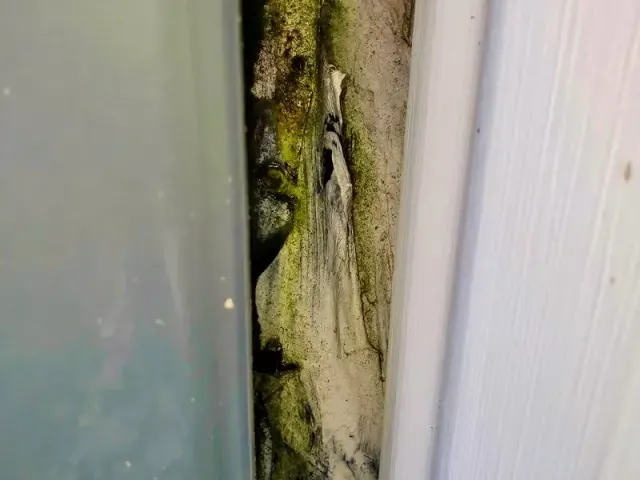
For landlords in South Merritt Island, mold is more than just a maintenance issue — it’s a responsibility issue that directly affects tenant safety, property condition, and long-term value. In a coastal environment with persistent humidity, slab foundations, frequent storms, and year-round AC use, mold problems can develop quickly, even in well-maintained rental properties.
Understanding what landlords are responsible for, why mold issues arise so often in this area, and how to manage them properly helps property owners protect both tenants and their investment — while avoiding recurring problems.
Why Mold Is a Common Issue in South Merritt Island Rentals
South Merritt Island properties face unique environmental pressures.
- Coastal and lagoon humidity year-round
- High water tables beneath slab foundations
- Frequent rainstorms and tropical weather
- Salt air accelerating material wear
- Heavy AC use creating condensation
- Older construction common in waterfront areas
Because of these factors, mold can develop even without tenant misuse or obvious water damage.
What Landlord Mold Responsibility Really Means
Landlord responsibility isn’t about guaranteeing a mold-free environment at all times. It’s about maintaining habitable conditions and responding appropriately when moisture or mold issues arise.
In practical terms, landlords are responsible for:
- Maintaining the structure and building envelope
- Addressing plumbing leaks and water intrusion
- Ensuring HVAC systems function properly
- Managing moisture sources within the property
- Responding to reported mold or moisture issues in a timely manner
Mold becomes a landlord responsibility when it results from property conditions, not tenant behavior.
Common Mold Sources Landlords Are Typically Responsible For
Most mold issues tied to landlord responsibility involve building systems.
Plumbing leaks
Slow leaks under sinks, behind walls, or between floors are a common cause of hidden mold.
Roof and exterior intrusion
Wind-driven rain and seal failures allow moisture into walls and ceilings.
HVAC condensation
Improper drainage, duct condensation, or oversized systems contribute to mold growth.
Slab moisture
Ground moisture migrating through concrete slabs affects flooring and lower walls.
Ventilation failures
Bathrooms and kitchens without proper exhaust allow moisture buildup.
Areas Where Mold Often Appears in Rental Properties
Professional inspections in South Merritt Island rentals frequently uncover mold in:
- Under flooring (tile, vinyl, laminate)
- Lower walls and baseboards
- Behind cabinets and vanities
- Bathrooms and laundry areas
- HVAC systems and ductwork
- Attics and roof decking
These areas combine moisture exposure and limited airflow, making mold more likely.
Tenant Behavior vs. Property Conditions
One of the most misunderstood aspects of mold responsibility is the difference between tenant behavior and property conditions.
Tenant behavior may contribute when:
- Ventilation isn’t used at all
- Obvious spills or water damage go unreported
- Units are intentionally kept excessively humid
Property conditions are the issue when:
- Mold returns despite cleaning
- Leaks exist behind walls or floors
- AC systems fail to control humidity
- Moisture is present without tenant activity
Most mold issues in South Merritt Island rentals fall into the property condition category.
Why Ignoring Mold Complaints Is Risky
Delaying action often makes mold problems worse.
- Moisture spreads behind surfaces
- Mold growth expands into additional rooms
- Repairs become more extensive
- Tenant complaints increase
- Property value may be affected
Early investigation is always less costly than delayed remediation.
Mold Cleanup vs. Mold Remediation in Rental Properties
Understanding this distinction helps landlords respond correctly.
Mold cleanup
- Surface-level cleaning
- Temporary visual improvement
- No correction of moisture source
- Mold usually returns
Mold remediation
- Identifies hidden mold
- Uses containment to prevent spread
- Removes affected materials when needed
- Corrects moisture sources
- Focuses on long-term prevention
Landlord responsibility usually involves true remediation, not repeated cleanup.
How Professional Mold Inspections Protect Landlords
Professional inspections help landlords make informed decisions.
They typically include:
- Moisture readings in walls, floors, and slabs
- HVAC condensation and airflow assessment
- Plumbing and intrusion checks
- Identification of hidden mold sources
- Documentation of findings
Mold Removal Merritt Island often finds that early inspections prevent larger remediation projects later.
Vacancy Periods and Mold Risk
Vacant rental properties are especially vulnerable.
- AC systems may be turned off
- Indoor humidity rises quickly
- Moisture accumulates unnoticed
- Mold develops before the next tenant moves in
Maintaining climate control during vacancies is a key landlord responsibility in coastal areas.
Preventing Mold in South Merritt Island Rental Properties
Prevention focuses on consistency and monitoring.
- Keep AC systems running during vacancies
- Maintain steady indoor temperatures
- Address leaks immediately
- Ensure exhaust fans function properly
- Inspect flooring and baseboards after storms
- Respond quickly to moisture complaints
- Schedule periodic professional inspections
These steps reduce tenant issues and protect long-term value.
Why Local South Merritt Island Experience Matters
Mold responsibility looks different in coastal rentals. Local experience matters because professionals understand:
- Coastal humidity cycles
- Slab foundation moisture behavior
- Storm-driven water intrusion patterns
- HVAC challenges common in Merritt Island rentals
- Construction styles specific to South Merritt Island
Mold Removal Merritt Island applies this local knowledge to help landlords resolve mold issues accurately and responsibly.
A Practical Takeaway for Landlords
Landlord mold responsibilities in South Merritt Island aren’t about blame — they’re about moisture management in a coastal environment. Most mold issues stem from hidden moisture tied to the structure, not tenant misuse.
For Merritt Island property owners, early inspections, proper remediation, and consistent moisture control are the most effective ways to meet responsibilities, protect tenants, and preserve rental property value in an environment where humidity is always present.
