
Why Mold Keeps Coming Back in Merritt Island: What Merritt Island Property Owners Should Know
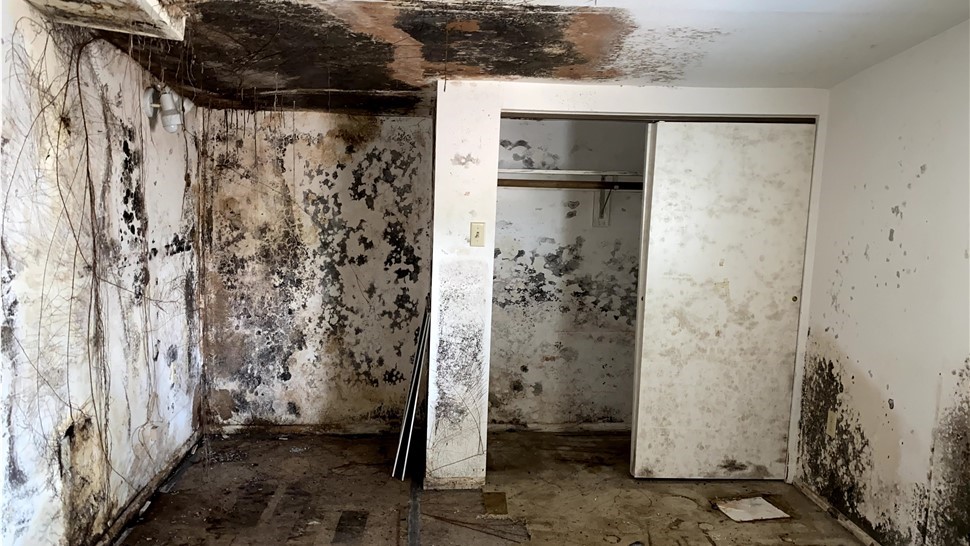
Many Merritt Island homeowners feel frustrated when mold seems to return no matter how often it’s cleaned. You scrub the walls, repaint a room, or replace damaged drywall, only to notice the musty smell or dark spots creeping back months later.
This is a common issue across Merritt Island, from homes along Sykes Creek and the Banana River to neighborhoods in North and South Merritt Island. Our coastal environment creates ideal conditions for recurring mold problems, especially in homes exposed to storms, humidity, and constant moisture from nearby waterways.
Understanding why mold keeps coming back is the first step toward stopping it permanently.
Let’s look at what’s really happening and what property owners can do to break the cycle.
Understanding the Real Mold Problem
Mold itself is not unusual. Tiny mold spores are always present in the air, both indoors and outdoors. They become a problem when they find moisture and begin growing inside your home.
The key point many people miss is this:
Mold doesn’t return unless moisture remains or comes back.
If the conditions that allowed mold growth aren’t corrected, mold will reappear, even after cleaning or partial repairs.
In Merritt Island homes, we often see mold return because the source of moisture was never fully addressed.
Why Mold Problems Are So Common in Merritt Island
Living on an island surrounded by waterways brings beautiful views, but also constant moisture challenges.
Several local conditions contribute to recurring mold:
Persistent Humidity
Humidity levels stay high most of the year, even inside homes with air conditioning. Moisture in the air settles on walls, ceilings, and inside insulation.
High Water Table
Many areas near the Indian River Lagoon and Banana River have high groundwater levels. Moisture can enter homes through slab foundations and crawl spaces.
Storms and Hurricanes
Heavy rains, tropical storms, and hurricanes often lead to roof leaks, flooding, or hidden water intrusion that goes unnoticed until mold forms later.
AC Condensation Problems
Air conditioning systems work hard in Florida. Poorly maintained units or duct systems can leak or create condensation, feeding mold inside walls and ceilings.
Older Construction Styles
Older homes in Merritt Island often lack modern moisture barriers or ventilation, making them more vulnerable.
Common Signs Mold Keeps Returning
Homeowners often notice recurring mold through subtle warning signs before growth becomes visible.
Watch for:
• Musty or damp odors returning after cleaning
• Mold spots reappearing in the same locations
• Paint peeling or bubbling
• Dark staining around vents or windows
• Indoor air feeling heavier or stale
• Condensation on windows or walls
• Damp closets or rooms
If mold keeps returning to the same area, moisture is still present somewhere nearby.
Hidden Mold Sources Most People Miss
Recurring mold often grows where homeowners never look.
Behind Walls
Slow plumbing leaks or rain intrusion can allow mold to grow inside wall cavities without obvious signs.
Under Flooring
Moisture trapped under tile, vinyl, or laminate flooring creates a hidden mold environment.
Attics
Poor ventilation allows humid air to condense on roof decking, creating widespread attic mold.
Crawl Spaces
Crawl spaces in Merritt Island homes frequently hold moisture, especially after storms or flooding.
HVAC Systems
Dirty or damp duct systems can circulate mold spores throughout the home.
Past Water Damage
Even after repairs, leftover moisture behind materials can allow mold to regrow months later.
Why DIY Mold Cleaning Usually Fails
Homeowners often try to solve mold problems themselves using bleach or store-bought cleaners.
Unfortunately, these methods rarely work long-term.
Bleach Doesn’t Kill Mold Roots
Bleach may remove surface stains, but mold roots remain inside porous materials like drywall or wood.
Moisture Source Remains
If humidity, leaks, or condensation aren’t fixed, mold simply returns.
Spores Spread During Cleaning
Scrubbing mold without containment spreads spores to other rooms.
Hidden Growth Goes Untreated
DIY cleaning only addresses visible mold, not what’s hidden behind surfaces.
This is why many Merritt Island homes see mold reappear after repeated cleaning attempts.
How Professional Mold Inspection & Testing Helps
Professional inspections aim to find why mold keeps returning.
A thorough inspection usually includes:
Visual Inspection
Checking common mold-prone areas, including attics, crawl spaces, walls, and HVAC systems.
Moisture Detection
Using meters or infrared tools to locate hidden moisture behind walls or floors.
Air or Surface Sampling (when needed)
Samples help identify mold types and measure indoor mold levels.
Simple Lab Result Explanation
Results are explained in practical terms, focusing on what needs fixing.
A proper inspection finds both mold growth and moisture sources.
What Proper Mold Remediation Looks Like
True mold remediation goes beyond surface cleaning.
A professional process typically includes:
Containment
Affected areas are sealed off to prevent spores from spreading.
Safe Removal of Contaminated Materials
Damaged drywall, insulation, or flooring may need removal.
Surface Cleaning and Treatment
Remaining surfaces are properly cleaned and treated.
Moisture Source Correction
Leaks, ventilation problems, or condensation issues are addressed.
Prevention Steps
Improvements are made to reduce future mold risk.
Companies familiar with local conditions, such as Mold Removal Merritt Island, focus on solving the moisture problem so mold does not return.
How Homeowners Can Prevent Mold from Coming Back
Prevention is possible with consistent moisture control.
Maintain Your AC System
Have systems inspected regularly to prevent condensation and airflow issues.
Improve Ventilation
Bathrooms, kitchens, and laundry areas should vent outdoors.
Control Indoor Humidity
Keep indoor humidity below 55% if possible.
Inspect After Storms
Check attics, ceilings, and walls after heavy rains or hurricanes.
Address Small Leaks Quickly
Even slow drips can lead to mold over time.
Check Crawl Spaces and Attics
Moisture barriers and ventilation improvements can help.
Prevention efforts save significant repair costs later.
Why Local Experience Matters
Homes near Sykes Creek, the Banana River, and the Indian River face different challenges than inland homes.
Professionals familiar with Merritt Island understand:
• Local humidity patterns
• Common building styles
• Storm-related damage risks
• Typical moisture entry points
• Seasonal mold patterns
This knowledge allows faster diagnosis and longer-lasting solutions.
Taking Action Before Mold Returns Again
If mold keeps reappearing, it’s a sign the underlying moisture issue hasn’t been fully solved. Cleaning alone will not stop mold from coming back.
Having a professional evaluation helps identify hidden moisture and determine what corrections are needed. Property owners who address the problem early often avoid major repairs and recurring cleanup costs.
When needed, working with experienced local professionals like Mold Removal Merritt Island can help ensure the problem is corrected rather than temporarily covered up.
Stopping mold from returning isn’t about constant cleaning — it’s about fixing the conditions that allow mold to grow in the first place.
