
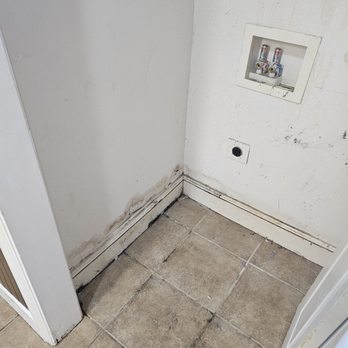
Tenant Mold Rights in Indian River: What Merritt Island Property Owners Should Know
Rental homes and apartments near the Indian River operate in a moisture-heavy environment. For property owners on Merritt Island, mold concerns often intersect with tenant expectations, maintenance responsibilities, and day-to-day property operations. Understanding tenant mold rights—at a practical, property-management level—helps owners respond appropriately, reduce disputes, and keep units in good condition.
Indian River properties experience elevated humidity, salt air exposure, and frequent storms. Those conditions mean mold can appear even when there’s no obvious leak. Clear communication, timely response, and a focus on moisture control go a long way toward protecting both tenants and properties.
What Tenant Mold Concerns Usually Involve
Tenant mold complaints typically start with odors, visible spotting, or persistent dampness. In Indian River rentals, common locations include bathrooms, closets on exterior walls, around windows and sliders, HVAC vents, and areas near kitchens or laundry hookups.
Mold in rentals is usually a symptom of moisture. That moisture might come from humidity, condensation, plumbing drips, or storm intrusion. Because tenants live with the space every day, they’re often the first to notice changes—even when the source isn’t obvious.
For property owners, the goal is to understand what’s being reported and determine whether there’s an underlying building or system issue that needs attention.
Why Mold Complaints Are Common Near the Indian River
The Indian River creates a local humidity effect that keeps moisture levels elevated year-round. Even well-maintained properties can see condensation and dampness, especially overnight or during rainy periods.
Many rentals in this area are slab homes or multi-unit buildings. High water tables can push moisture upward, while shared walls and ceilings allow humidity or leaks to affect multiple units.
Storms and brief power outages can also spike indoor humidity. If AC systems are off—even temporarily—moisture can build quickly and create conditions for mold growth.
Salt air exposure accelerates wear on seals and HVAC components, increasing the likelihood of moisture intrusion over time.
Common Signs Tenants Report
Tenants most often report musty or damp odors that seem stronger after rain or when the AC cycles on. These smells may come and go, making them easy to overlook at first.
Visible signs can include spots on bathroom ceilings, discoloration near vents, bubbling paint, or staining along baseboards and window frames.
Some tenants notice rooms that feel clammy or don’t cool evenly. In Indian River rentals, this often points to humidity or HVAC performance issues rather than a single isolated spot.
Understanding Tenant Mold Rights in Practice
From a practical standpoint, tenants expect living spaces to be maintained in a condition that doesn’t promote ongoing moisture problems. When mold is reported, tenants generally expect a timely evaluation and reasonable steps to address the cause.
Most mold disputes aren’t about the mold itself—they’re about response. Delays, lack of communication, or repeated cosmetic fixes tend to escalate concerns.
Property owners benefit from treating mold reports as moisture investigations. Identifying whether the issue involves ventilation, plumbing, HVAC condensation, or storm intrusion helps clarify next steps and expectations.
Common Situations That Cause Confusion
One frequent point of confusion is humidity-driven mold without a visible leak. In coastal rentals, this is extremely common and doesn’t require tenant misuse to occur.
Vacancies are another issue. If a unit sits without climate control, humidity can rise quickly and lead to mold before a new tenant moves in—often discovered immediately upon occupancy.
Shared systems can also complicate matters. In multi-unit buildings, moisture or HVAC issues may originate outside the affected unit, making responsibility less obvious without inspection.
Why Quick, Informed Response Matters
Ignoring or minimizing mold complaints almost always makes the situation worse. Mold continues to spread as long as moisture remains, and small issues can turn into larger repairs involving walls, flooring, or HVAC systems.
From an operations standpoint, unresolved mold concerns increase tenant turnover, create scheduling challenges, and raise maintenance costs. Repeated surface cleaning without addressing moisture often leads to repeat complaints.
A calm, methodical response protects the property and helps maintain constructive tenant relationships.
Professional Mold Inspection and Evaluation Explained
A professional inspection focuses on identifying moisture sources and the extent of any mold growth. Visual inspection is combined with moisture detection tools to locate damp areas in walls, ceilings, flooring, and HVAC components.
When helpful, air or surface sampling can clarify whether mold is active and how widespread it may be. Results should be explained clearly, focusing on building conditions rather than blame.
Local professionals familiar with Indian River rentals understand how humidity, slab construction, and coastal exposure influence moisture behavior, leading to faster, more accurate diagnosis.
Proper Mold Removal and Remediation in Rentals
Effective remediation begins with moisture control. Plumbing leaks, condensation issues, ventilation problems, or exterior intrusion must be corrected first.
Containment is used to prevent spore spread during cleaning or material removal—especially important in occupied units or multi-unit buildings. Affected materials are cleaned or replaced based on severity and material type.
The objective is stability: restoring normal moisture conditions so mold does not return. Companies like Mold Removal Merritt Island emphasize durable solutions suited to coastal rentals rather than short-term cosmetic fixes.
How Property Owners Can Reduce Mold Disputes
Consistent climate control is critical. Keeping AC systems running—even during vacancies—helps prevent humidity spikes.
Routine inspections between tenants catch early signs, especially under sinks, around HVAC equipment, in closets, and along exterior walls.
Ventilation should be verified. Bathroom and kitchen exhaust fans need to work properly and vent outdoors.
After storms, prompt checks can identify intrusion before moisture becomes trapped behind walls or under floors.
Why Local Experience Makes a Difference
Mold issues near the Indian River are shaped by coastal humidity, salt air, and local construction styles. Local experience means recognizing common moisture pathways and seasonal patterns unique to Merritt Island.
Professionals familiar with island rentals can diagnose issues faster and recommend solutions that reduce repeat complaints and protect long-term property value.
A Calm, Practical Next Step
When tenants report mold concerns, a timely, professional evaluation brings clarity. Not every situation requires extensive remediation, but early assessment helps prevent escalation and recurring issues.
For Merritt Island property owners, understanding tenant mold rights through a practical, moisture-focused lens supports better decisions, healthier rentals, and smoother property management in Indian River’s coastal environment.
