
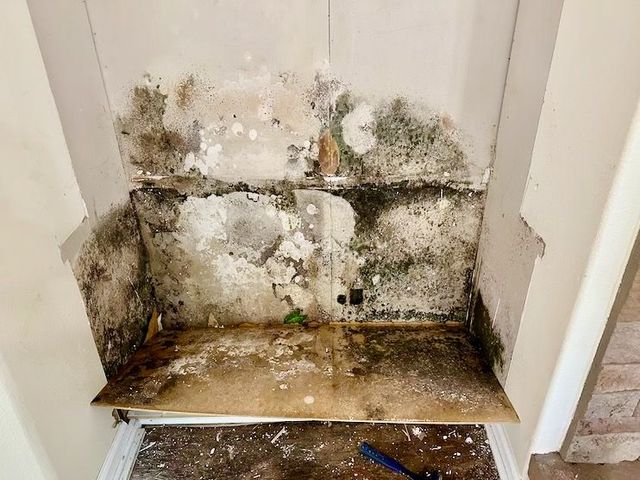
Mold in Laundry Rooms in Banana River: What Merritt Island Property Owners Should Know
Laundry rooms may seem like low-risk spaces, but in Banana River–area homes, they are one of the most common places for hidden mold growth. Constant moisture from washing machines, warm indoor temperatures, and limited ventilation create ideal conditions for mold—especially in coastal environments like Merritt Island.
Many property owners don’t realize there’s a problem until they notice musty odors, damp walls, or mold on baseboards and cabinets. By then, moisture has often been present for quite some time. Understanding why laundry rooms are vulnerable, where mold typically develops, and how to prevent it can help Merritt Island property owners avoid larger issues later.
Why Laundry Rooms Near the Banana River Are Prone to Mold
Laundry rooms naturally involve water, but the Banana River environment makes moisture harder to control.
Local factors that increase mold risk include:
- Persistent coastal humidity day and night
- High groundwater levels beneath slab foundations
- Warm air that slows drying
- Limited airflow in utility spaces
- Salt air accelerating wear on appliances and fittings
Even when there are no obvious leaks, moisture from daily use can linger long enough to support mold growth.
Common Moisture Sources in Laundry Rooms
Mold in laundry rooms is usually tied to ongoing, low-level moisture rather than major water events.
Typical moisture sources include:
- Washing machine supply line drips
- Slow drain or standpipe leaks
- Overflowing or splashing during wash cycles
- Condensation on cold plumbing lines
- Dryer vents releasing warm, moist air indoors
- Damp flooring beneath appliances
In Banana River homes, humidity prevents these areas from drying quickly, allowing moisture to accumulate.
Where Mold Commonly Develops in Laundry Rooms
Mold growth in laundry rooms often begins in places that are easy to overlook.
Behind and Under Washing Machines
Water drips or condensation often go unnoticed behind appliances, soaking drywall and flooring.
Cabinets and Baseboards
Low airflow and proximity to plumbing make cabinets and baseboards frequent mold hotspots.
Walls and Ceilings
Exterior-facing walls absorb humidity, and condensation can form behind drywall.
Flooring
Tile, vinyl, or laminate flooring installed over slabs can trap moisture underneath, leading to hidden mold growth.
Adjacent Rooms
Moisture can migrate into nearby closets, hallways, or walls shared with living spaces.
Early Warning Signs Property Owners Often Miss
Laundry room mold problems usually start quietly.
Common early signs include:
- Musty or sour odors near the laundry area
- Damp or warped baseboards
- Discoloration behind appliances
- Flooring that feels cool or slightly soft
- Mold reappearing after surface cleaning
Because laundry rooms aren’t living spaces, these signs are often ignored until odors spread.
Why Mold in Laundry Rooms Spreads Beyond the Space
Laundry rooms are often connected to other parts of the home through shared walls and ventilation.
Mold spreads when:
- Moist air moves into adjacent rooms
- Wall cavities allow moisture migration
- HVAC systems circulate humid air
- Doors remain closed, trapping moisture
In Banana River homes, a laundry room mold issue can slowly affect indoor air quality throughout the property.
Why DIY Mold Cleanup Usually Fails in Laundry Rooms
DIY cleanup often focuses on visible mold, but that rarely addresses the real problem.
Common DIY mistakes include:
- Wiping surfaces without fixing moisture sources
- Leaving wet drywall or flooring in place
- Using cleaners that add moisture
- Ignoring humidity and ventilation
Without correcting moisture conditions, mold almost always returns—often worse than before.
How Professional Mold Inspection Evaluates Laundry Room Issues
A professional mold inspection focuses on moisture behavior, not just surface mold.
In laundry rooms, inspections often include:
- Moisture mapping of walls, floors, and cabinets
- Checking plumbing connections and drain lines
- Evaluating slab moisture near appliances
- Measuring indoor humidity levels
- Assessing ventilation and airflow
- Air or surface sampling when appropriate
This helps determine whether the issue is isolated or part of a broader moisture pattern.
Proper Mold Removal in Laundry Rooms
Effective mold remediation addresses both removal and prevention.
A professional remediation process typically includes:
- Containment to prevent spread
- Removal of contaminated drywall, flooring, or cabinets
- Thorough drying and dehumidification
- Repairing leaks or drainage issues
- Improving airflow and moisture control
- Verifying materials are dry before restoration
In coastal homes, drying and ventilation are just as important as removal.
Preventing Mold in Banana River Laundry Rooms
Prevention focuses on moisture control and routine monitoring.
Helpful prevention steps include:
- Checking washing machine hoses regularly
- Ensuring drain lines and standpipes flow properly
- Venting dryers outdoors, not into the room
- Keeping doors open for airflow when possible
- Running exhaust fans or dehumidifiers
- Keeping indoor humidity below 55%
Small, consistent habits significantly reduce mold risk.
Managing Laundry Rooms During Vacancies
Vacant homes are especially vulnerable to laundry room mold.
When a home is unoccupied:
- Appliances sit unused with trapped moisture
- Air circulation drops
- Humidity rises quickly
To reduce risk:
- Shut off washing machine supply lines
- Keep AC systems running at moderate settings
- Inspect laundry rooms regularly
- Leave doors open during visits
Many mold problems start during short vacancy periods.
Why Local Banana River Experience Matters
Laundry rooms near the Banana River behave differently than those inland. Local experience matters because:
- Coastal humidity slows drying
- Slab foundations trap moisture
- Salt air accelerates plumbing wear
- Building layouts vary by neighborhood
Mold Removal Merritt Island understands how these local conditions affect laundry rooms and evaluates mold risk with a moisture-first, practical approach.
A Calm, Practical Takeaway
Mold in laundry rooms is common in Banana River homes—but it’s rarely just a cosmetic issue. Persistent moisture, even without visible leaks, can quietly feed mold growth behind walls and under flooring.
If your laundry room smells musty, shows moisture damage, or has recurring mold, early evaluation can prevent larger problems throughout the home. Addressing moisture sources promptly helps protect indoor air quality, appliances, and long-term property condition.
