
Musty Odors Explained in Sykes Creek: What Merritt Island Property Owners Should Know
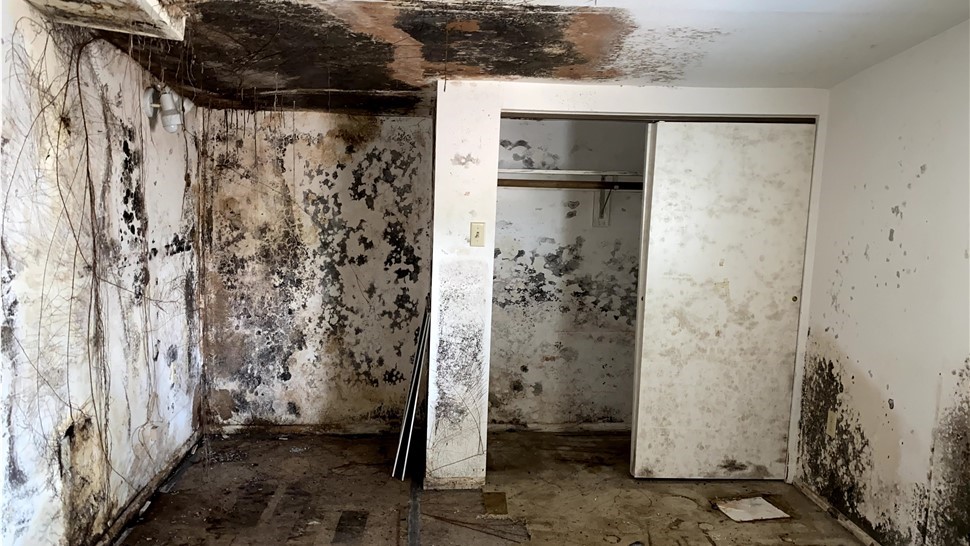
A musty odor is one of the most common—and most misunderstood—complaints among homeowners in Sykes Creek. Many people describe it as an earthy, damp, or stale smell that seems to linger no matter how much they clean. In a creekside environment like Sykes Creek, that odor is rarely random. It’s usually a sign of moisture interacting with building materials, often pointing to hidden mold or damp conditions somewhere in the home.
Understanding what causes musty odors, where they usually come from, and why they’re so common in Sykes Creek homes can help property owners address the real issue instead of masking the smell and hoping it goes away.
What a Musty Odor Really Means
A musty odor isn’t a “smell problem.” It’s a moisture problem.
That odor is typically caused by microscopic byproducts released when mold or mildew grows on damp materials. You don’t need visible mold for the smell to exist. In many cases, mold is growing behind walls, under flooring, inside HVAC systems, or in enclosed spaces where air doesn’t circulate well.
In Sykes Creek homes, musty odors often indicate:
- Ongoing humidity issues
- Hidden moisture intrusion
- Slow leaks or condensation
- Damp building materials that never fully dry
The smell is a warning sign—not the issue itself.
Why Musty Odors Are So Common in Sykes Creek Homes
Homes near Sykes Creek face environmental conditions that naturally encourage moisture retention.
Constant coastal humidity
Humidity levels remain elevated year-round near the creek, allowing materials to absorb moisture easily.
Salt air effects
Salt particles attract and hold moisture, keeping surfaces damp longer than in inland homes.
Slab-on-grade construction
Moisture can migrate upward through concrete slabs and become trapped beneath flooring.
Storm exposure
Wind-driven rain can enter walls, roofs, and windows during storms, even without visible flooding.
Heavy AC use
Air conditioning cools surfaces, increasing condensation when humid air is present.
These factors make musty odors one of the earliest and most common signs of hidden moisture problems.
Where Musty Odors Usually Come From
In Sykes Creek homes, musty smells often originate from places you don’t see every day.
Inside walls
Moist air enters wall cavities and condenses on cooler surfaces, supporting mold growth.
Under flooring
Moisture trapped beneath tile, laminate, or vinyl creates ideal conditions for odor-producing mold.
HVAC systems
Air handlers, coils, and ductwork collect condensation and can spread musty odors throughout the home.
Cabinets and closets
Enclosed spaces trap humid air and dry slowly, making them common odor sources.
Attics
Warm, moist air rising into the attic can condense on roof decking, leading to musty smells that travel downward.
When the Smell Appears Strongest
Pay attention to when the odor is most noticeable—it often provides clues.
Property owners commonly notice musty smells:
- When first entering the home
- After the AC has been running
- During humid or rainy weather
- In the morning after doors have been closed
- In specific rooms or closets
In Sykes Creek homes, odors often intensify after storms or during peak humidity months.
Why Cleaning and Air Fresheners Don’t Work
A musty odor caused by moisture won’t go away with surface cleaning.
Common temporary fixes that fail include:
- Air fresheners or candles
- Cleaning visible surfaces only
- Dehumidifiers used short-term
- Painting over stained areas
These methods may mask the smell briefly, but the odor returns because the moisture source remains active. Until damp materials are dried and the cause corrected, the smell persists.
Musty Odors Without Visible Mold
One of the most frustrating aspects for homeowners is smelling mold without seeing it.
This usually happens when mold is:
- Behind drywall
- Under flooring
- Inside HVAC components
- Inside wall cavities
- In attic or roof structures
In coastal homes, it’s very common for musty odors to be the first and only warning sign for a long time.
Why Ignoring Musty Odors Can Lead to Bigger Problems
A lingering musty smell often means moisture has been present for a while. Over time, that can lead to:
- Structural material damage
- Worsening mold growth
- Higher remediation costs
- Spread to additional areas of the home
- Reduced indoor comfort
In Sykes Creek homes, ignoring odors often allows moisture to migrate and affect more of the structure.
Professional Mold and Moisture Inspection Explained
When musty odors persist, a professional inspection helps identify what’s really happening.
A proper evaluation may include:
- Visual inspection of odor-prone areas
- Moisture detection behind walls and floors
- Infrared imaging to locate hidden dampness
- HVAC system assessment
- Targeted sampling when appropriate
- Clear explanation of findings
The goal is to locate moisture first—because removing the moisture removes the odor.
How Musty Odors Are Properly Resolved
Solving musty odor issues requires more than deodorizing.
Effective solutions typically involve:
- Identifying and correcting moisture sources
- Drying or removing damp materials
- Cleaning affected areas thoroughly
- Improving airflow and ventilation
- Addressing humidity control
Mold Removal Merritt Island approaches musty odor problems by focusing on moisture behavior specific to Sykes Creek homes rather than surface-level treatments.
How Property Owners Can Reduce Musty Odor Risk
Preventive steps make a noticeable difference.
- Monitor indoor humidity levels
- Maintain HVAC systems and condensate lines
- Use exhaust fans consistently
- Avoid blocking airflow in closets and storage areas
- Inspect after storms and heavy rain
- Address leaks immediately
- Watch for early odor changes
In coastal homes, small adjustments often prevent larger issues.
Why Local Sykes Creek Experience Matters
Musty odors in Sykes Creek behave differently than in inland areas. Local experience means understanding:
- Creekside humidity patterns
- Salt air moisture retention
- Slab-related moisture movement
- Storm-driven intrusion behavior
- Common construction styles near the water
This knowledge leads to faster identification and more accurate solutions.
A Practical Next Step for Property Owners
If your Sykes Creek home has a musty odor that won’t go away, it’s worth investigating early. Odors are often the first sign of hidden moisture or mold—and addressing them sooner almost always limits damage.
A professional inspection can identify where the smell is coming from, explain why it’s happening, and outline practical next steps—without pressure or alarm. For Merritt Island property owners, understanding and addressing musty odors early is one of the most effective ways to protect indoor comfort, building materials, and long-term property value.
