
Musty Odors Explained in North Merritt Island: What Merritt Island Property Owners Should Know
Musty odors are one of the most common complaints from homeowners in North Merritt Island—and also one of the most misunderstood. Many people assume the smell is just “Florida air,” an older house, or something that will go away with extra cleaning or air fresheners. In reality, a persistent musty smell is almost always a moisture problem, and very often a mold-related one.
In North Merritt Island, where homes sit near the Indian River, Sykes Creek, and lagoon systems, musty odors tend to show up earlier and linger longer than in inland areas. Understanding what causes these smells and what they actually mean can help property owners address issues before they turn into costly repairs.
What a Musty Odor Really Is
A musty smell is not a scent on its own. It’s the result of microbial growth—most commonly mold—releasing gases as it feeds on damp building materials. These odors are often described as:
- Earthy
- Damp
- Basement-like
- Old or stale
Even when mold isn’t visible, the odor can travel through walls, ceilings, and HVAC systems, making it noticeable in living spaces far from the source.
Why Musty Odors Are So Common in North Merritt Island
North Merritt Island homes deal with several environmental factors that encourage moisture buildup:
- Constant coastal humidity
- High water tables beneath slab foundations
- Frequent rain and storm events
- Waterfront exposure near the Indian River and Sykes Creek
- Warm temperatures most of the year
These conditions make it easy for moisture to linger inside building materials. Once materials stay damp long enough, musty odors often follow.
The Most Common Sources of Musty Smells in Local Homes
Hidden Mold Behind Walls
One of the most frequent sources of musty odors is mold growing behind drywall. Small roof leaks, plumbing drips, or condensation inside walls can feed mold without any visible signs on the surface.
Attics With Poor Ventilation
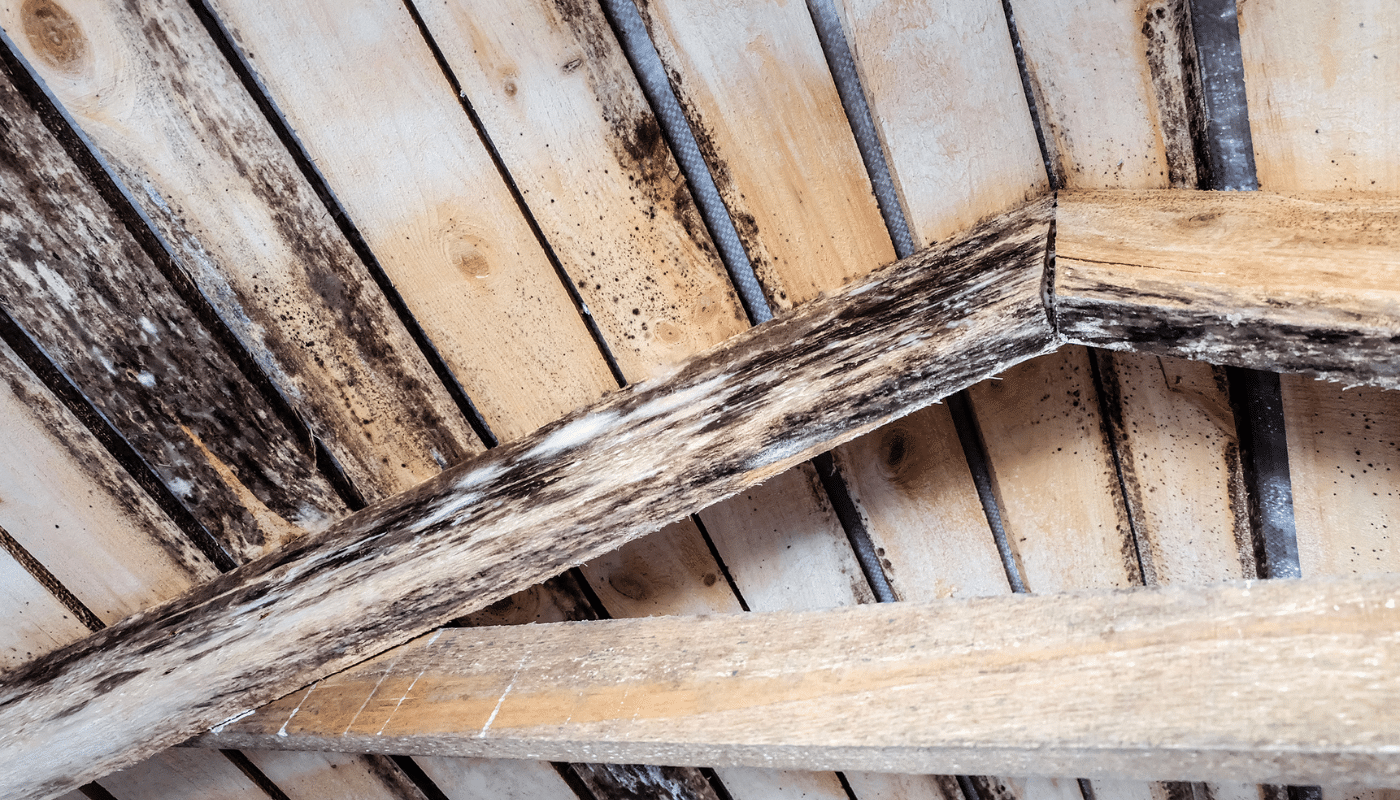
In North Merritt Island, attics often trap hot, humid air. When ventilation is inadequate, moisture builds up on wood framing and insulation, producing odors that seep into the home below.
HVAC Systems and Ductwork
Air conditioning systems can both hide and spread musty smells. Condensation in ductwork, clogged drain lines, or contaminated air handlers can circulate odors throughout the house every time the system runs.
Flooring and Slab Moisture
Moisture migrating upward through concrete slabs can affect flooring, adhesives, and baseboards. Even without visible mold, these materials can produce persistent odors.
Closets and Enclosed Spaces
Closets on exterior walls often have limited airflow. In humid environments like North Merritt Island, stagnant air combined with moisture creates ideal conditions for odor-producing mold.
Why Air Fresheners Don’t Work
Sprays, candles, and plug-ins only mask odors temporarily. They don’t remove moisture or address mold growth. Once the scent fades, the musty smell almost always returns—sometimes stronger than before.
Masking odors can also delay discovery of the real problem, allowing mold to spread further.
When Musty Odors Get Worse After Rain
If a musty smell becomes stronger after heavy rain or storms, that’s a major clue. It often indicates:
- Active water intrusion
- Roof or flashing leaks
- Ground moisture entering through slabs
- Exterior wall seepage
In North Merritt Island, wind-driven rain can push moisture into places homeowners rarely inspect.
Can a Home Smell Musty Without Visible Mold?
Yes—and this is very common locally. Mold can grow inside wall cavities, under flooring, or in attics long before it becomes visible. Odor is often the first sign something is wrong.
By the time mold appears on surfaces, the underlying moisture issue has usually been present for quite a while.
Why Ignoring Odors Is Risky
Musty odors are rarely harmless. They usually mean moisture is present where it shouldn’t be. Over time, that moisture can:
- Damage drywall and wood framing
- Weaken flooring materials
- Reduce indoor air quality
- Lead to more extensive mold growth
Addressing odors early often prevents much larger problems later.
How Professionals Track Down Odor Sources
Finding the source of a musty odor requires more than just a visual check. A proper evaluation may include:
- Moisture readings inside walls and ceilings
- Attic and HVAC inspections
- Airflow and ventilation assessment
- Targeted mold sampling when needed
Local professionals such as Mold Removal Merritt Island understand how North Merritt Island’s coastal conditions affect where odors originate and how they travel through homes.
Practical Steps Homeowners Can Take Right Away
While odors shouldn’t be ignored, there are smart first steps property owners can take:
- Take note of when and where the smell is strongest
- Monitor indoor humidity levels
- Run bathroom and kitchen exhaust fans consistently
- Check AC drain lines and filters
- Inspect the home after storms
These steps help narrow down the source and provide useful information if professional help is needed.
Why Local Experience Matters
Musty odors in North Merritt Island behave differently than in dry or inland climates. Moisture moves through homes differently near waterways, and common construction styles here have specific weak points. Local experience allows faster, more accurate diagnosis—and more effective long-term solutions.
A Clear Next Step for North Merritt Island Property Owners
If your home has a musty odor that doesn’t go away, it’s not something to live with or cover up. Odors are signals. The sooner the source is identified, the easier it is to resolve.
A calm, professional evaluation can provide clarity, protect your property, and help ensure small moisture issues don’t turn into major mold problems.
