
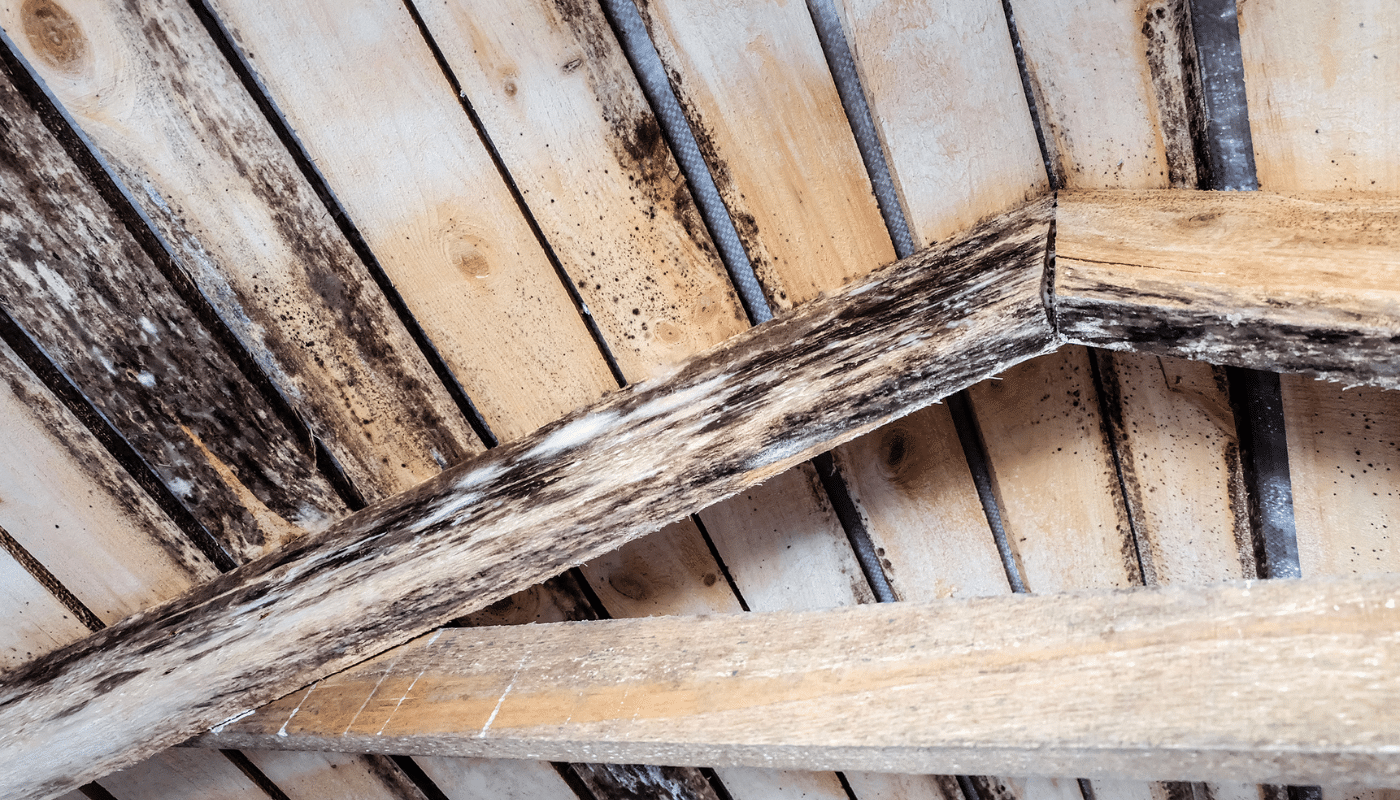
Musty Odors Explained in Brevard County: What Merritt Island Property Owners Should Know
A musty smell inside a home is something many Brevard County property owners eventually encounter. Homeowners in Merritt Island, especially those living near Sykes Creek, the Banana River, or the Indian River, often notice a persistent damp odor that seems to linger no matter how much cleaning they do.
At first, the smell may seem minor — perhaps noticeable only when entering the home after being away or opening a closet that stays closed. But musty odors are rarely just about stale air. In Florida’s humid coastal environment, these smells often signal excess moisture or hidden mold growth somewhere in the property.
Understanding what causes musty odors, where they come from, and how to prevent them helps Merritt Island homeowners protect both their homes and indoor comfort.
What Causes Musty Odors in Homes?
Musty odors usually develop when moisture and organic materials combine in enclosed spaces. Mold and mildew produce gases as they grow, and these gases create the damp, earthy smell people associate with moisture problems.
In Brevard County homes, musty smells often come from:
- Mold growing behind walls
- Damp insulation in attics
- Moisture trapped under flooring
- Wet carpeting or padding
- AC condensation problems
- Water intrusion from storms
- Poor ventilation in bathrooms or laundry areas
The key factor in all these situations is moisture that remains long enough for mold or mildew to develop.
Because Merritt Island sits between lagoon systems, indoor humidity often stays elevated, making homes more vulnerable to hidden moisture issues.
Why Musty Odors Are Common in Merritt Island Homes
Living near waterways offers many benefits, but it also means dealing with constant humidity.
Homes in South Merritt Island and North Merritt Island experience moisture challenges because:
Coastal humidity remains high year-round
Moist air constantly enters homes through small air gaps and ventilation systems.
Storms and hurricanes bring heavy rain
Wind-driven rain can force moisture into roofing or wall systems.
High water tables affect foundations
Moisture sometimes moves upward through slab construction.
Air conditioning runs constantly
AC systems remove humidity but also produce condensation, which sometimes leaks or accumulates.
Older homes lack modern ventilation
Some homes were built before moisture management practices improved.
Salt air exposure also gradually weakens materials, allowing small moisture entry points over time.
All these factors contribute to musty odors developing inside homes.
Where Musty Smells Usually Start
Musty odors often begin in areas homeowners rarely check.
Common odor sources in Merritt Island homes include:
- Closets on exterior walls
- Laundry rooms
- Garages
- Attics
- Under sinks
- Behind cabinets
- Spare bedrooms
- Crawl spaces
- HVAC systems or ductwork
Attics are especially vulnerable because humid air becomes trapped if ventilation is inadequate. Garages and storage areas also frequently develop odors due to poor airflow.
Sometimes odors originate behind walls after a past leak or storm event that was never fully dried.
Signs That Musty Odors Signal Mold Growth
Not every musty smell means severe mold contamination, but certain signs suggest mold may be present.
Warning signs include:
Persistent damp smell even after cleaning
Odor stronger in certain rooms or closets
Stains appearing on ceilings or walls
Paint bubbling or peeling
Recurring moisture spots
Condensation on vents or windows
Warped flooring or baseboards
If odors worsen after rain or storms, moisture intrusion may be involved.
Often, the smell is strongest in rooms near previous leaks or areas with poor ventilation.
Why Air Fresheners Don’t Solve the Problem
Many homeowners try to mask musty odors using candles, sprays, or plug-in air fresheners. While these products temporarily hide smells, they do not address the underlying issue.
Odors return because:
Moisture remains present
Mold continues growing unseen
Hidden materials stay damp
Ventilation problems persist
Masking smells delays proper correction and sometimes allows mold growth to spread further.
Solving moisture problems eliminates odors instead of covering them.
Hidden Mold Sources in Merritt Island Homes
Musty odors frequently come from hidden mold growth rather than visible spots.
Common hidden sources include:
Behind drywall after roof leaks
Under flooring after water intrusion
Inside attic insulation
Around AC air handlers or ducts
Inside wall cavities with plumbing leaks
Under cabinets or appliances
Behind bathroom tile or tubs
Homes affected by past hurricanes or heavy storms sometimes retain moisture inside walls long after visible damage is repaired.
Professional inspection often reveals mold growing where homeowners cannot see it.
Why DIY Solutions Often Fall Short
Homeowners often try simple solutions when odors appear, but these attempts frequently fail because the real cause remains hidden.
Common DIY approaches include:
Cleaning surfaces repeatedly
Using bleach or disinfectants
Running fans or opening windows
Repainting stained areas
Using odor absorbers
While these steps may reduce odors temporarily, they do not remove mold growing inside structural materials.
Without correcting moisture sources, smells usually return.
How Professional Mold Inspection Helps Identify Odor Sources
Professional inspections focus on identifying moisture and mold sources rather than simply treating symptoms.
An inspection often includes:
Visual examination of suspect areas
Moisture meter readings inside walls or ceilings
Attic and crawl space inspections
HVAC system evaluation
Ventilation checks
Air or surface sampling when needed
Testing compares indoor mold levels to outdoor conditions and helps confirm contamination.
Professionals familiar with Brevard County homes recognize moisture patterns common in waterfront communities.
Companies like Mold Removal Merritt Island frequently help homeowners locate odor sources quickly because they understand local climate challenges.
Correcting Musty Odors the Right Way
Eliminating musty odors usually involves removing mold contamination and correcting moisture problems.
Typical solutions may include:
Repairing roof or plumbing leaks
Improving ventilation
Fixing AC condensation issues
Removing contaminated materials
Cleaning affected surfaces
Drying damp insulation or structures
Installing dehumidifiers when needed
Once moisture problems are corrected, odors typically disappear.
Preventing moisture from returning is the most important step.
Preventing Musty Odors in Merritt Island Homes
Prevention focuses on managing humidity and moisture before mold develops.
Homeowners can reduce odor risks by:
Keeping indoor humidity below 55%
Maintaining AC systems regularly
Using bathroom and kitchen exhaust fans
Fixing leaks immediately
Checking attics for proper ventilation
Inspecting roofs after storms
Ensuring proper outdoor drainage
Using dehumidifiers when needed
Inspecting homes after heavy rain or hurricanes
Routine maintenance prevents many odor problems from developing.
Why Local Experience Matters
Homes in Merritt Island face unique environmental challenges compared to inland communities.
Professionals familiar with local homes understand:
Lagoon humidity effects
Storm-related moisture patterns
Slab foundation moisture issues
Older home ventilation concerns
AC condensation problems common in Florida
Local experience allows faster identification of moisture sources and realistic solutions.
A Practical Next Step for Property Owners
A musty smell in your home doesn’t automatically mean severe damage, but it usually indicates excess moisture somewhere.
If odors persist, worsen after storms, or appear in multiple areas of the home, a professional evaluation can help determine the cause.
Most homeowners simply want reassurance that their homes remain comfortable and protected. Local professionals, including Mold Removal Merritt Island, help property owners understand the situation and take practical next steps without unnecessary pressure.
Addressing moisture early is almost always easier and less costly than dealing with larger mold problems later.
Image Generation Prompts
• Musty mold growth on drywall inside a Florida coastal home, natural lighting, clean residential environment, no people, no text or logos
• Attic mold caused by humidity buildup in a coastal Florida home, exposed insulation and framing, realistic setting, no branding or people
