
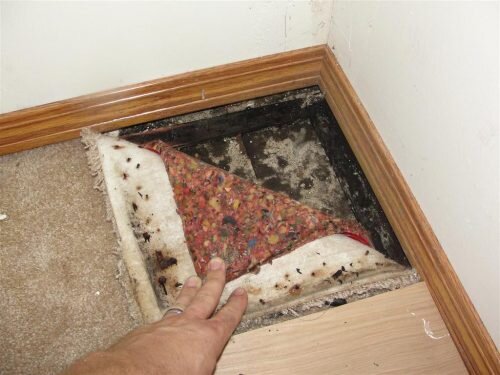
Mold Under Flooring in Merritt Island: What Merritt Island Property Owners Should Know
Living in Merritt Island means enjoying coastal beauty, nearby waterways, and a relaxed Florida lifestyle. But homes here also face constant exposure to humidity, storms, and moisture — all of which can lead to hidden mold problems beneath flooring.
Many property owners expect mold to appear in bathrooms or kitchens, but one of the most common and expensive mold problems in Brevard County actually develops under floors. Because it remains hidden, contamination often spreads unnoticed until flooring begins to show damage or musty odors appear indoors.
Understanding why mold develops beneath floors and how to prevent it can help homeowners, landlords, and property managers protect their homes and avoid costly structural repairs.
What Mold Under Flooring Really Means
Flooring materials sit on top of subfloors, usually made of wood or concrete. Beneath these surfaces, moisture can become trapped due to leaks, humidity, or water intrusion.
Once moisture remains under flooring, mold spores naturally present in the air begin growing on organic materials like wood subfloors, adhesives, padding, or dust accumulation.
Because flooring covers the area, the moisture stays hidden and dries slowly. Mold can spread widely before homeowners realize a problem exists.
In Merritt Island’s humid climate, trapped moisture under floors may never fully dry without intervention, making mold growth especially common.
Why This Happens So Often in Merritt Island Homes
Several local environmental factors increase the likelihood of mold developing under flooring.
Homes around Merritt Island, including neighborhoods near Sykes Creek, Banana River, and the Indian River Lagoon, regularly experience:
• High year-round humidity
• Heavy rainfall and tropical storms
• Hurricanes and flooding risks
• High groundwater levels
• Frequent air conditioning use
• Waterfront construction exposure
Flooding and storm surge events can introduce water beneath flooring even when visible damage seems minimal. Moisture seeps under floors and becomes trapped.
Air conditioning systems can also contribute. When cool indoor air meets warm, humid outdoor air, condensation can form on slabs or flooring materials.
Older homes in North and South Merritt Island sometimes have aging moisture barriers or outdated flooring installations that allow moisture intrusion more easily.
Even newer homes can experience problems if ventilation or moisture management isn’t properly designed for coastal conditions.
Signs Homeowners Commonly Notice
Mold beneath flooring often produces warning signs before serious damage appears, but these signs are sometimes overlooked.
Property owners may notice:
• Musty or damp odors inside the home
• Warped or buckling floors
• Soft or spongy flooring areas
• Discoloration or stains along floor edges
• Peeling vinyl or laminate flooring
• Increased indoor humidity
• Allergy-like symptoms indoors
In some cases, mold growth eventually appears along baseboards or walls near floor level.
Homeowners sometimes replace flooring only to see problems return because the underlying moisture was never corrected.
Hidden Sources of Moisture Under Floors
Many mold issues begin with moisture sources that homeowners never see.
Common hidden causes include:
• Plumbing leaks beneath floors
• Appliance leaks from dishwashers or refrigerators
• AC condensation problems
• Floodwater intrusion during storms
• Roof leaks traveling downward into flooring systems
• Poor drainage around foundations
• Moisture entering through slab foundations
Homes near waterways often experience higher soil moisture levels, which can affect slab foundations or crawl spaces.
After storms or hurricanes, moisture may remain trapped beneath flooring materials long after surfaces appear dry.
Past water damage repairs sometimes fail to dry subfloor areas completely, allowing mold to continue growing out of sight.
Why DIY Mold Cleanup Usually Fails
When flooring damage appears, many homeowners attempt quick fixes or surface cleaning. Unfortunately, this rarely solves the underlying problem.
Common DIY mistakes include:
• Cleaning surface mold without removing flooring
• Replacing flooring without drying subfloors
• Ignoring moisture sources
• Using household cleaners that don’t penetrate materials
• Covering damage instead of repairing it
Mold roots remain embedded in subfloor materials, and moisture continues supporting regrowth.
Professional remediation focuses on both contamination removal and moisture correction to prevent recurrence.
How Professional Mold Inspection and Testing Works
Professional inspections aim to locate both contamination and moisture sources beneath flooring.
Inspectors may evaluate:
• Flooring condition and damage patterns
• Moisture levels in subfloors
• Plumbing systems and appliances
• Slab or crawl space moisture conditions
• Signs of previous water intrusion
Moisture meters help detect hidden dampness beneath flooring materials without unnecessary removal.
When needed, air or surface samples are collected to determine mold spore levels. Lab analysis confirms whether contamination is isolated or affecting broader indoor air quality.
This evaluation helps property owners understand the scope of repairs required before remediation begins.
Proper Mold Removal and Remediation Process
Safe remediation under flooring requires careful steps to prevent contamination spread.
A typical remediation process may include:
• Removing affected flooring materials
• Safely disposing of contaminated materials
• Cleaning and treating subfloor surfaces
• Drying affected areas thoroughly
• Repairing leaks or moisture problems
• Installing new moisture-resistant materials
After remediation, technicians verify moisture levels have normalized before installing replacement flooring.
Professionals familiar with Merritt Island construction styles often recognize moisture patterns quickly, reducing repair time and preventing recurring problems.
Mold Removal Merritt Island teams frequently handle under-floor mold issues caused by coastal humidity and storm-related moisture common throughout Brevard County.
Preventing Mold Under Flooring in Coastal Homes
Prevention depends largely on moisture control and early detection.
Helpful prevention steps include:
• Fixing plumbing leaks immediately
• Inspecting homes after storms or flooding
• Maintaining appliances and AC systems
• Monitoring indoor humidity levels
• Ensuring proper home drainage
• Checking flooring regularly for soft spots or warping
• Installing proper vapor barriers where needed
Homes located close to waterways benefit from periodic inspections due to naturally higher moisture exposure.
Routine maintenance and moisture awareness can prevent hidden damage from becoming costly repairs.
Why Local Experience Matters for Flooring Mold Problems
Mold issues in Merritt Island homes differ from inland areas due to constant coastal moisture exposure.
Professionals experienced in Brevard County understand:
• How humidity affects flooring systems
• Which home designs commonly trap moisture
• How storm patterns impact homes locally
• Where hidden mold typically forms
Local knowledge leads to quicker problem identification and better prevention strategies.
Professionals serving Merritt Island communities tailor solutions to match coastal conditions, helping homeowners achieve long-term protection.
Mold Removal Merritt Island specialists frequently encounter moisture patterns unique to waterfront neighborhoods and address them accordingly.
A Practical Next Step for Property Owners
If flooring begins warping, odors develop, or moisture concerns arise, an inspection can help prevent larger structural damage.
Most under-floor mold problems begin with manageable moisture issues that worsen only when ignored.
In coastal communities like Merritt Island, managing moisture becomes part of responsible home ownership.
A professional evaluation provides clarity and helps homeowners make informed decisions about maintaining healthy indoor environments.
