
Mold Inspection in South Merritt Island: What Merritt Island Property Owners Should Know
Mold Inspection in South Merritt Island: What Merritt Island Property Owners Should Know
South Merritt Island is known for its waterfront homes, quiet neighborhoods, and access to both the Banana River and Indian River. Living here offers many benefits, but longtime residents also understand one challenge that comes with coastal Florida living: managing moisture inside homes.
Warm temperatures, high humidity, and frequent storms create ideal conditions for mold growth. Many homeowners only think about mold inspections when visible mold appears, but mold often begins growing in hidden areas long before stains or odors become noticeable.
Understanding how mold inspections work and when they are needed helps South Merritt Island homeowners protect their homes and avoid expensive remediation later.
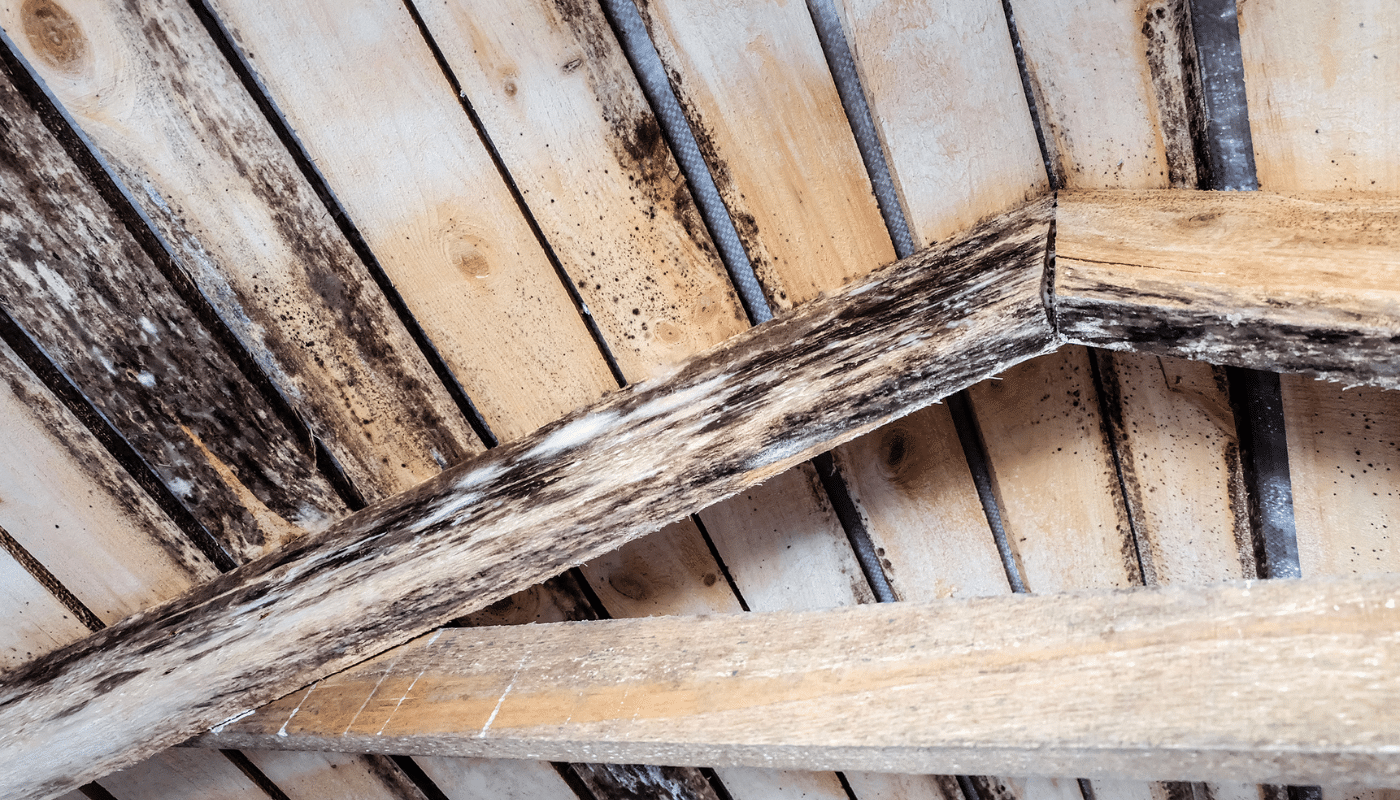
Why Mold Problems Are Common in South Merritt Island Homes
Homes throughout South Merritt Island are constantly exposed to coastal moisture. Even homes that appear dry and well-maintained can develop hidden mold problems if moisture becomes trapped inside building materials.
Local conditions that contribute to mold growth include:
• Persistent coastal humidity year-round
• Heavy summer rainfall and thunderstorms
• Hurricane and tropical storm moisture intrusion
• Waterfront air carrying moisture inland
• High groundwater levels in some neighborhoods
• Constant air conditioning use creating condensation
Even small roof leaks or plumbing issues can allow moisture to remain hidden in walls, ceilings, or floors. Once moisture is present, mold can begin growing quickly in Florida’s warm climate.
Because mold often grows out of sight, homeowners may not realize a problem exists until odors or visible damage appear.
What a Mold Inspection Actually Involves
A mold inspection is a professional evaluation designed to determine whether mold or moisture problems exist inside a home.
A proper inspection looks at the whole environment, not just visible mold spots. Inspectors focus on:
• Visible mold growth
• Hidden moisture issues
• Areas vulnerable to mold development
• Causes of recurring mold problems
• Indoor conditions that allow mold growth
Rather than simply collecting air samples, inspectors examine the structure to identify moisture sources that allow mold to grow.
Correcting moisture is the key to preventing mold from returning.
When South Merritt Island Homeowners Should Consider an Inspection
Many homeowners wait until mold becomes visible before calling for help, but inspections are often useful much earlier.
Common situations where inspections are recommended include:
• Musty odors inside the home
• Water stains appearing on ceilings or walls
• Roof leaks after storms
• Plumbing leaks or flooding incidents
• High indoor humidity problems
• Mold returning after cleaning
• Preparing to buy or sell a home
• Homes left vacant for long periods
Early inspections often prevent larger remediation projects later.
Detecting moisture early keeps repairs manageable.
Areas Inspectors Commonly Check
Mold problems frequently develop in areas homeowners rarely inspect.
During inspections, professionals typically check:
• Attics affected by roof leaks or poor ventilation
• Crawl spaces absorbing ground moisture
• Behind drywall after plumbing leaks
• Under flooring affected by water intrusion
• HVAC systems and ductwork
• Bathrooms with ventilation problems
• Laundry rooms and utility areas
• Closets along exterior walls
Homes located close to waterways may experience elevated indoor humidity, increasing risks in hidden spaces.
Because these areas are often out of sight, mold sometimes spreads before detection.
What Happens During a Professional Mold Inspection
A professional mold inspection follows a step-by-step process to identify both visible and hidden issues.
Visual Inspection
Inspectors begin with a walkthrough of the home, looking for visible mold, staining, or signs of moisture intrusion.
Walls, ceilings, flooring, and ventilation areas are evaluated carefully.
Moisture Detection
Moisture meters and thermal imaging cameras help inspectors locate hidden damp areas behind walls or ceilings.
These tools identify areas where mold could be growing even when surfaces appear dry.
Ventilation and Airflow Evaluation
Inspectors assess airflow in attics, crawl spaces, and living areas to determine whether ventilation issues contribute to humidity buildup.
Poor airflow often leads to condensation and mold growth.
Air or Surface Sampling When Necessary
If mold is suspected but not visible, air sampling may be used to compare indoor and outdoor mold spore levels.
Surface samples may also be taken when contamination requires confirmation.
These tests help determine whether mold levels are elevated.
Inspection Findings and Recommendations
After inspection, homeowners receive an explanation of findings, including where moisture or mold problems exist and what steps should be taken next.
Recommendations usually focus on moisture correction and remediation if needed.
Why Mold Problems Often Go Undetected
Mold growth frequently remains hidden because moisture problems do not always produce obvious signs immediately.
Common reasons mold goes unnoticed include:
• Roof leaks hidden in attic insulation
• Plumbing leaks behind walls
• Condensation forming inside wall cavities
• Crawl spaces rarely inspected
• Mold growing beneath flooring
• Homeowners becoming accustomed to mild odors
By the time mold becomes visible, contamination may have already spread significantly.
Routine inspections reduce this risk.
Why DIY Mold Checks Often Miss Problems
Homeowners sometimes try checking for mold themselves, but hidden moisture problems are difficult to detect without professional equipment.
DIY checks often miss:
• Moisture trapped behind walls
• Hidden leaks beneath flooring
• HVAC contamination
• Mold growing inside insulation
• Humidity problems affecting multiple rooms
Professional inspections use specialized tools to detect moisture and contamination invisible to the naked eye.
This allows problems to be addressed before they worsen.
How Inspection Results Guide Mold Removal
If mold contamination is found, inspection results help guide remediation efforts.
Professional remediation may include:
• Containment of affected areas
• HEPA air filtration
• Removal of mold-damaged materials
• Cleaning surrounding surfaces
• Correction of moisture sources
• Thorough drying and prevention measures
Professionals familiar with Merritt Island homes understand how coastal humidity influences mold behavior.
Local specialists such as Mold Removal Merritt Island tailor remediation solutions based on island environmental conditions.
The goal is long-term prevention, not temporary cleanup.
Preventing Mold Problems After Inspection
Once moisture problems are corrected, prevention becomes the focus.
Helpful prevention steps include:
• Keeping indoor humidity below 60%
• Servicing HVAC systems regularly
• Cleaning AC drain lines routinely
• Repairing leaks immediately
• Improving attic and crawl space ventilation
• Inspecting homes after storms
• Using dehumidifiers in damp areas
Routine home maintenance helps prevent mold from returning.
Homes near waterways benefit from periodic humidity monitoring.
Why Local Experience Matters for Mold Inspections
Homes throughout South Merritt Island vary based on age, construction style, and exposure to moisture.
Professionals familiar with local conditions understand:
• Waterfront humidity patterns
• Storm-related moisture risks
• Ventilation challenges in island homes
• Slab versus elevated construction differences
Local experience allows inspectors to diagnose problems quickly and recommend solutions suited to coastal environments.
Professionals experienced with Merritt Island properties often identify risks faster than contractors unfamiliar with island construction.
Protecting Home Value Through Early Detection
Homes represent one of the largest investments families make, and mold problems can affect property value if left unresolved.
Addressing mold concerns early helps:
• Prevent structural damage
• Maintain indoor comfort
• Reduce repair costs
• Avoid complications during home sales
• Protect long-term property value
Preventive inspections protect both homes and investments.
A Practical Next Step for Homeowners
If you’ve noticed musty odors, ceiling stains, or recurring humidity concerns in your home, scheduling a professional mold inspection can determine whether hidden mold or moisture problems are present.
Early action usually keeps remediation manageable and prevents mold from spreading into structural areas. Correcting moisture problems protects both indoor comfort and property value.
With proper inspection and moisture management, South Merritt Island homeowners can continue enjoying coastal living while avoiding recurring mold concerns.
Taking preventive action today helps keep homes safe and comfortable in Florida’s humid coastal climate.
Image Generation Prompts
- Residential mold inspection in Florida coastal home using moisture detection equipment, clean interior, realistic lighting, no people, logos, or text.
- Attic mold inspection in Merritt Island home showing early mold detection and humidity damage, uncluttered attic space, realistic lighting, no branding or people.
