
Mold in Waterfront Homes in Indian River: What Merritt Island Property Owners Should Know
Waterfront living along the Indian River is one of the biggest draws for homeowners on Merritt Island. Open water views, steady breezes, and direct access to boating create an incredible lifestyle. At the same time, waterfront properties face constant moisture exposure that inland homes simply don’t. One of the most common consequences is mold growth, often developing quietly before homeowners realize there’s an issue.
Mold in waterfront homes behaves differently. Higher humidity, salt air, frequent storms, and construction features common to coastal properties all combine to create ideal conditions for hidden moisture problems. Understanding how mold develops in these homes, where it tends to hide, and why local experience matters can help property owners protect both their investment and their living space.
What the Mold Issue Is in Waterfront Homes
Mold in waterfront homes isn’t limited to one area. It can develop behind walls, under flooring, inside HVAC systems, in attics, or around windows and doors. Mold only needs two things to grow: moisture and organic material. Waterfront homes near the Indian River often provide both in abundance.
Even without obvious leaks or flooding, moisture can slowly build up from humid air, condensation, and vapor movement through building materials. Over time, that moisture settles into areas with limited airflow, allowing mold to establish itself out of sight.
Because many waterfront homes are well-maintained on the surface, mold is often discovered later than expected. By the time a musty odor appears or visible damage shows up, the issue may already be widespread.
Why This Happens So Often Near the Indian River
The Indian River creates a microclimate that affects nearby homes year-round. Humidity levels remain high even during cooler months, and moisture-laden air regularly moves across properties, especially overnight and early in the morning.
Salt air exposure accelerates wear on building materials. Seals around windows, doors, and roof penetrations can degrade faster, allowing moisture to enter wall systems. Over time, even small gaps can lead to repeated moisture intrusion.
High water tables common throughout Merritt Island also contribute. Moisture pressure from below affects slab foundations, while raised homes can experience dampness beneath floor systems if ventilation isn’t adequate.
Storms and hurricanes are another major factor. Wind-driven rain can enter through areas that appear intact, and brief flooding or power loss can introduce moisture that becomes trapped once conditions return to normal.
Common Signs Waterfront Property Owners Notice
One of the first signs is a persistent musty or earthy odor, especially noticeable after returning home from time away or after periods of heavy rain. The smell may be stronger in lower rooms, bedrooms near exterior walls, or spaces that stay closed most of the time.
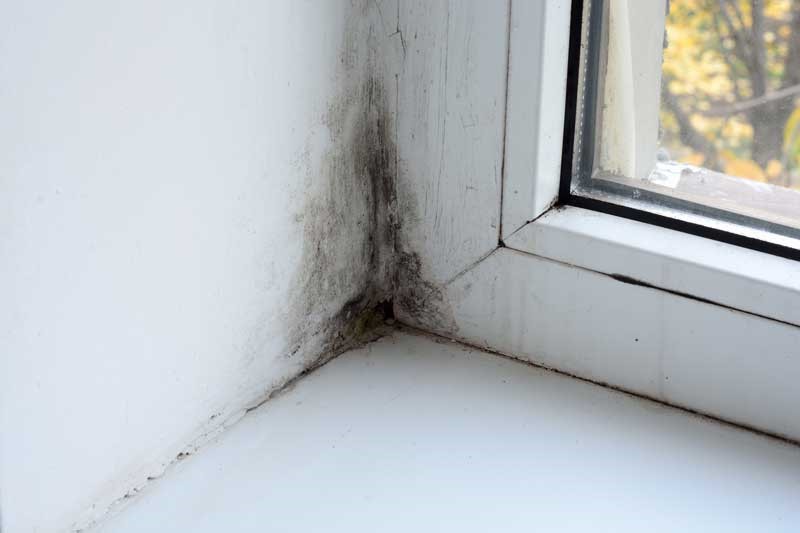
Visible signs may include discoloration near windows, doors, or baseboards. Paint may bubble or peel, and trim materials can swell or soften when moisture is present behind them.
Many waterfront homeowners notice ongoing humidity issues indoors. Rooms may feel clammy even with the AC running, or certain areas may never seem to fully dry.
In vacation rentals or seasonal homes, mold issues are often discovered after long vacancies, when stagnant air and humidity have had time to do damage.
Hidden or Overlooked Mold Sources in Waterfront Homes
Mold in waterfront homes frequently develops in places that aren’t part of daily cleaning routines. Attics are a common problem area, especially when warm, humid air meets cooler roof surfaces. Inadequate ventilation or compressed insulation makes this worse.
HVAC systems are another frequent source. Ductwork running through humid attics, condensation around air handlers, and moisture in drain pans can all contribute to mold growth that spreads through the system.
Behind walls, slow moisture intrusion from windows, rooflines, or plumbing can feed mold without obvious signs. Flooring systems can also trap moisture, particularly in slab homes or properties with older vapor barriers.
Even cabinetry and closets located on exterior walls can develop mold due to condensation and limited airflow.
Why DIY Mold Cleanup Usually Fails in Waterfront Homes
Waterfront mold problems are rarely limited to surface growth. Cleaning visible mold or repainting affected areas often provides only temporary improvement.
Household cleaners and bleach do not address mold embedded in porous materials or moisture trapped behind surfaces. In coastal environments, where humidity remains high, mold often returns quickly if the underlying conditions aren’t corrected.
DIY cleanup can also spread spores. Scrubbing or disturbing mold without containment can allow spores to move into unaffected areas, increasing the scope of the problem.
Most importantly, DIY efforts rarely identify the true moisture source. Without addressing humidity control, air movement, and building envelope issues, mold will continue to reappear.
Professional Mold Inspection and Testing Explained
A professional mold inspection for waterfront homes starts with understanding the property’s location, construction type, and exposure to the Indian River environment. Visual inspection is combined with moisture detection tools to identify damp areas that aren’t visible.
Thermal imaging can help locate hidden moisture behind walls or under floors without unnecessary demolition. Inspectors also evaluate ventilation, insulation, and HVAC performance to understand how moisture is moving through the home.
When appropriate, air or surface sampling may be used to confirm mold activity and guide remediation decisions. Results should be explained clearly, focusing on practical steps rather than technical jargon.
Local professionals familiar with waterfront construction understand where mold is most likely to develop and how coastal conditions influence moisture behavior.
Proper Mold Removal and Remediation Process
Effective remediation in waterfront homes focuses on both removal and long-term prevention. Containment is established first to prevent spores from spreading during the process.
Affected materials such as drywall, insulation, flooring, or duct components are removed or cleaned depending on severity. Porous materials that cannot be fully cleaned are typically replaced.
Correcting moisture sources is critical. This may involve sealing building envelope gaps, improving attic ventilation, addressing HVAC condensation, or upgrading moisture barriers.
Companies like Mold Removal Merritt Island approach remediation with an understanding of coastal conditions, focusing on solutions that hold up in a high-humidity, salt-air environment rather than short-term fixes.
How to Prevent Mold in Waterfront Homes on Merritt Island
Prevention begins with moisture awareness. Regular inspections of windows, doors, roof penetrations, and exterior walls help catch issues early.
Maintaining proper indoor humidity is essential. AC systems should be properly sized, well-maintained, and configured to manage moisture effectively, not just temperature.
Ventilation matters more in waterfront homes. Attics, bathrooms, kitchens, and laundry areas should vent properly to prevent moisture buildup.
After storms or extended periods of heavy rain, interior inspections can identify early signs of intrusion before mold has time to develop.
Why Local Waterfront Experience Matters
Waterfront homes along the Indian River face challenges that inland properties do not. Local experience means understanding how humidity, salt air, water tables, and storm patterns interact with building materials over time.
Professionals familiar with Merritt Island construction styles can identify moisture pathways faster and recommend solutions that make sense for waterfront conditions.
This knowledge often reduces unnecessary demolition and leads to more durable, long-lasting results.
A Calm, Practical Next Step
If you notice musty odors, persistent humidity, or signs of moisture in a waterfront home, a professional evaluation can provide clarity. Not every situation requires major remediation, but early assessment helps prevent hidden mold from spreading.
For Merritt Island property owners near the Indian River, addressing mold with a local, experience-based approach is one of the most effective ways to protect both the structure and the unique lifestyle that waterfront living offers.
