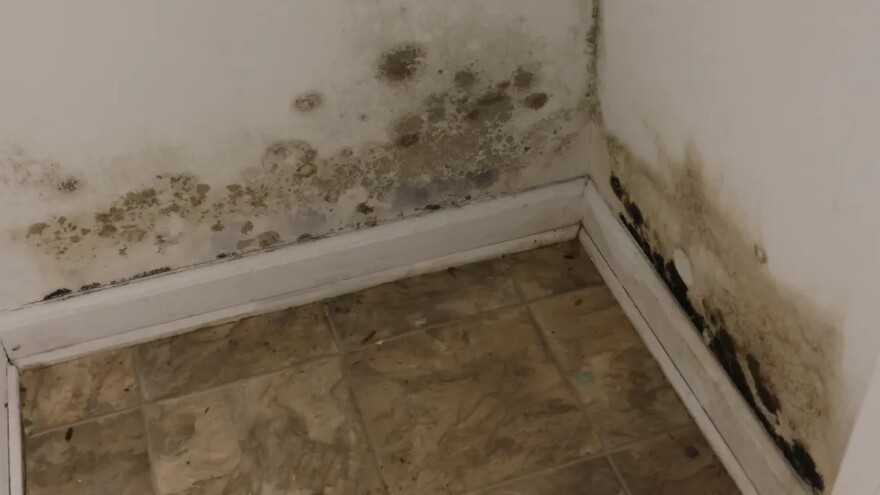
Mold in Apartments in Sykes Creek: What Merritt Island Property Owners Should Know
Apartments along Sykes Creek are surrounded by water, vegetation, and constant coastal airflow. While that setting is part of what makes this area of Merritt Island so desirable, it also creates ideal conditions for mold growth, especially in multi-unit apartment buildings.
Mold in apartments often develops differently than in single-family homes. Shared walls, stacked plumbing, and centralized HVAC systems allow moisture problems to spread quietly between units. For property owners, landlords, and managers in Sykes Creek, understanding how and why mold forms in apartment buildings is essential for protecting both the structure and the people living inside.
Why Apartments Near Sykes Creek Are Especially Vulnerable to Mold
Sykes Creek apartments sit in a high-humidity microclimate. The surrounding water keeps moisture levels elevated year-round, and apartments tend to trap that moisture more easily than detached homes.
Key contributing factors include:
- Constant coastal humidity from the creek
- Limited cross-ventilation in interior units
- Shared plumbing lines running through walls and ceilings
- Slab foundations with high groundwater pressure
- Aging building envelopes in older apartment complexes
Because moisture doesn’t stay confined to one unit, a small issue can quickly become a building-wide mold problem.
How Mold Typically Develops in Apartment Buildings
In apartments, mold rarely starts where it’s immediately visible. It usually develops in concealed areas where moisture lingers.
Common development patterns include:
- Condensation forming inside shared walls
- Slow leaks from units above or adjacent
- AC condensation issues affecting multiple apartments
- Moisture trapped beneath flooring over concrete slabs
- Water intrusion from exterior walls after storms
Once mold establishes itself in these hidden spaces, it can affect air quality across several units.
Areas Most Affected in Sykes Creek Apartments
Certain locations are consistently vulnerable in apartment buildings near the water.
Bathrooms
High humidity, daily water use, and limited ventilation make bathrooms a frequent problem area.
Kitchens
Leaks under sinks, behind appliances, and around shared plumbing lines often go unnoticed.
HVAC systems and vents
Condensation inside air handlers and ductwork can distribute mold spores throughout units.
Under flooring
Tile, vinyl, or laminate flooring installed over slabs can trap moisture and support hidden mold growth.
Shared walls and ceilings
Moisture migrating between units commonly accumulates here.
Signs Tenants and Property Owners Often Notice
Mold issues in apartments often show up gradually.
Common warning signs include:
- Persistent musty or damp odors
- Condensation on AC vents or windows
- Discoloration near baseboards or ceilings
- Floors that feel uneven or cool
- Complaints of poor indoor air quality
Because symptoms may appear in multiple units, they’re often mistaken for general building issues rather than mold.
Hidden Moisture Sources Unique to Apartments
Apartment buildings have moisture sources that individual occupants don’t control.
These often include:
- Plumbing leaks from upper floors
- Shared drain and supply lines inside walls
- Roof or exterior envelope failures
- AC condensate lines serving multiple units
- Storm-driven rain intrusion near windows and balconies
In Sykes Creek properties, salt air can accelerate corrosion in shared systems, increasing leak risk over time.
Why DIY Mold Cleanup Fails in Apartment Settings
DIY mold cleanup almost never works in apartment buildings—and can sometimes make the situation worse.
Common problems with DIY attempts include:
- Cleaning visible mold while hidden growth remains
- Disturbing mold in shared walls without containment
- Spreading spores through shared ventilation systems
- Failing to address the original moisture source
In apartments, mold remediation must consider the entire building, not just one unit.
How Professional Mold Inspection Works in Apartments
Mold inspections in apartment buildings require a broader approach than single-home inspections.
A professional inspection may involve:
- Moisture mapping of walls, ceilings, and floors
- Evaluating HVAC systems and condensation patterns
- Identifying moisture intrusion from common areas
- Air or surface sampling when appropriate
- Documenting findings that may involve multiple units
The goal is to trace how moisture moves through the building and where mold is likely developing.
Proper Mold Removal and Remediation in Apartments
Effective remediation in apartment settings focuses on safety, containment, and coordination.
A professional remediation process typically includes:
- Containment to prevent spore spread between units
- Safe removal of contaminated materials
- Thorough drying and dehumidification
- Addressing leaks or condensation issues
- Recommendations for building-wide moisture control
In many cases, remediation requires cooperation between property owners, managers, and maintenance teams.
Preventing Mold in Sykes Creek Apartment Buildings
While coastal humidity can’t be eliminated, mold risk can be reduced with proactive management.
Helpful prevention steps include:
- Maintaining indoor humidity below 55%
- Regular inspection of plumbing and HVAC systems
- Prompt response to leaks or tenant complaints
- Ensuring bathrooms and kitchens are properly ventilated
- Monitoring exterior walls and roofs after storms
Early action is especially important in multi-unit properties, where moisture spreads easily.
Why Local Merritt Island Experience Matters
Apartments near Sykes Creek face different challenges than inland buildings. Local experience matters because:
- Coastal humidity behaves differently near waterways
- Salt air accelerates wear on shared systems
- Older apartment designs have limited ventilation
- Moisture can migrate between units unnoticed
Mold Removal Merritt Island understands these local apartment-specific conditions and approaches inspections with a building-wide perspective.
A Calm, Practical Next Step
If apartments in Sykes Creek are experiencing musty odors, moisture complaints, or recurring air quality issues, early evaluation can prevent larger and more disruptive problems. Mold in apartment buildings rarely stays isolated, but addressing it early often protects both tenants and property value.
A professional inspection focused on moisture behavior and shared systems can provide clarity and support long-term solutions.