
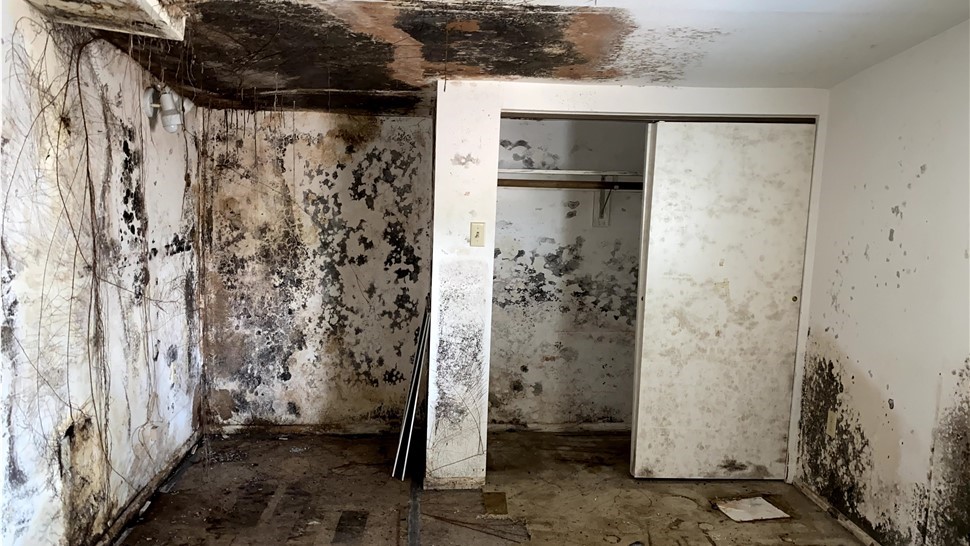
📦 Mold in Storage Areas in Sykes Creek: What Merritt Island Property Owners Should Know
Storage areas are supposed to keep things safe—not quietly destroy them. In Sykes Creek, storage rooms, closets, garages, and spare spaces are some of the most common places mold starts in Merritt Island homes. Why? They’re cool, closed off, lightly ventilated, and packed with porous items that love moisture.
This guide explains why storage areas mold up, where the biggest risks hide, and how Merritt Island property owners can protect both their belongings and their home.
🌴 Why Storage Areas Are High-Risk in Sykes Creek
Homes near Sykes Creek sit in a moisture-heavy micro-climate:
- High baseline humidity day and night
- Salt air that slows evaporation
- Slab foundations that stay cool
- Long AC seasons with condensation
- Low airflow in unused spaces
Storage areas amplify all of these—especially when doors stay shut for weeks.
🦠 How Mold Starts in Storage Spaces
Mold in storage areas usually follows this pattern:
- Humid air enters the space
- Cool surfaces (walls, floors, shelves) collect condensation
- Boxes, fabrics, and wood absorb moisture
- Airflow is minimal
- Mold begins growing within 24–48 hours
Because no one checks these areas daily, growth often goes unnoticed.
🧱 Storage Areas Most Likely to Develop Mold
In Sykes Creek homes, watch these spots closely:
- Bedroom and hallway closets
- Storage rooms under AC vents
- Garages and utility rooms
- Rooms above garages
- Under-stair storage
- Pantries
- Spare bedrooms used for storage
- Outdoor-adjacent closets
If an area feels cool, smells musty, or stays closed—mold risk is high.
📦 Items That Make Mold Worse
Certain stored items actually feed mold growth:
- Cardboard boxes
- Paper files and books
- Clothing and linens
- Upholstered furniture
- Wood shelving
- Shoes and leather goods
Once these absorb moisture, mold spreads quickly—and can transfer back to walls.
👃 Early Warning Signs in Storage Areas
Storage mold rarely announces itself loudly. Look for:
- Musty or “old basement” smells
- Damp-feeling boxes or fabrics
- White, gray, or green fuzz on items
- Warped shelving
- Rusting metal nearby
- Odors strongest when doors open
If items smell musty, mold is already active.
🌬️ The HVAC & Storage Area Connection
Storage areas often sit:
- Far from return vents
- Near supply vents without airflow balance
- On exterior walls
This causes:
- Cold surfaces + humid air
- Condensation buildup
- Poor drying
If odors worsen when the AC runs, moisture imbalance is involved.
🧪 Why Storage Mold Is Often Missed
Homeowners miss storage-area mold because:
- Areas are rarely accessed
- Damage starts on stored items, not walls
- Odors stay contained behind closed doors
- Growth spreads slowly—then suddenly
By the time walls show damage, the problem is well established.
🧽 Why Cleaning Stored Items Isn’t Enough
Cleaning items alone doesn’t solve the issue because:
- The environment stays humid
- Mold remains on shelves and walls
- Items get re-contaminated when returned
- Root growth persists in porous materials
If mold comes back, the storage space—not the item—was the problem.
🛠️ How to Prevent Mold in Storage Areas
Effective prevention in Sykes Creek homes focuses on airflow + humidity control.
What works:
- Keep indoor humidity ≤55% (50% ideal)
- Leave closet and storage doors slightly open
- Use wire shelving instead of solid wood
- Store items in plastic bins, not cardboard
- Elevate items off floors
- Use dehumidifiers in storage-heavy areas
- Avoid pushing items tight against exterior walls
- Periodically rotate and inspect stored items
- Run AC consistently—even when rooms aren’t used
Consistency beats deep cleaning every time.
🛑 When Storage Mold Needs Professional Help
Call for professional evaluation if:
- Mold keeps returning in storage spaces
- Odors persist after humidity control
- Multiple storage areas are affected
- Mold appears on walls or ceilings
- Health symptoms worsen indoors
- Stored items repeatedly become moldy
Recurring storage mold usually means whole-home moisture imbalance.
📉 How Storage Mold Affects Property Value
Buyers notice:
- Musty closets
- Moldy garages
- Damaged storage areas
These raise concerns about hidden moisture problems—even if living spaces look fine. Storage mold can quietly reduce buyer confidence and inspection outcomes.
🌊 Why Sykes Creek Storage Areas Need Extra Care
Compared to inland homes, Sykes Creek properties:
- Dry more slowly
- Experience higher humidity swings
- Have cooler slab temperatures
- Face constant moisture pressure
Storage areas are often the first place mold appears—and the last place homeowners look.
✅ Final Takeaway for Merritt Island Property Owners
In Sykes Creek, storage areas are mold magnets—but they don’t have to be.
Remember:
✔ Mold loves closed, cool, humid spaces
✔ Cardboard and fabric accelerate growth
✔ Odors are early warning signs
✔ Airflow matters more than cleaners
✔ Humidity control prevents repeat damage
Protecting storage spaces protects your belongings, your air quality, and your home’s value.
If you want, I can also provide a room-by-room storage mold prevention checklist, best storage materials guide for coastal homes, or a humidity setup plan tailored specifically for Sykes Creek and Merritt Island properties.
