
Mold in Storage Areas in Banana River: What Merritt Island Property Owners Should Know
Homes along the Banana River offer waterfront living, scenic views, and the relaxed coastal lifestyle that makes Merritt Island so appealing. But homes near waterways also face higher humidity levels, and one area where moisture problems often go unnoticed is household storage spaces.
Storage areas — including garages, closets, utility rooms, and attic spaces — frequently become mold hotspots because they receive less airflow and are inspected less often. Many Banana River homeowners only discover mold problems when they retrieve stored items and find damage or musty odors.
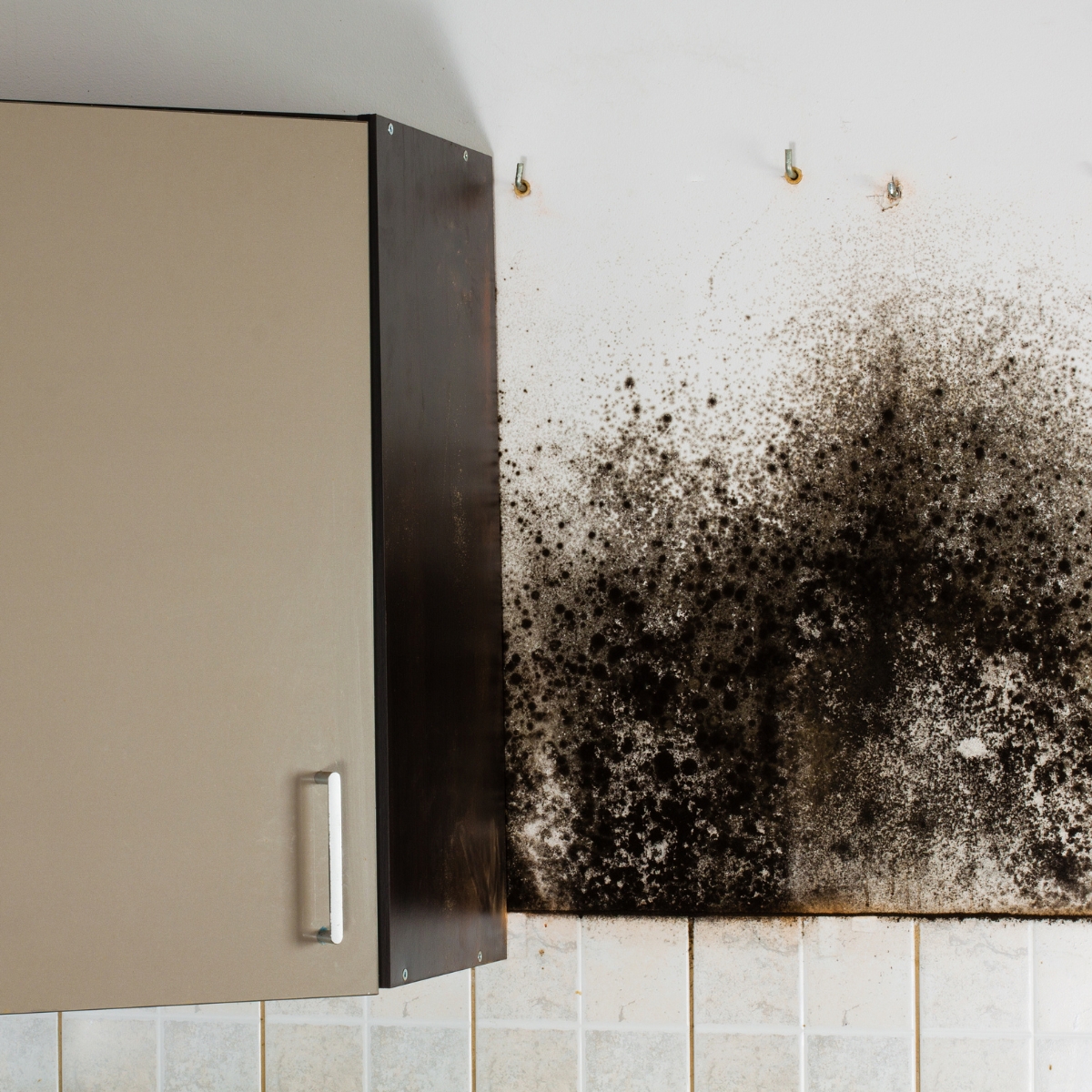
Why Storage Areas Develop Mold So Easily
Storage spaces often create ideal conditions for mold growth because moisture can accumulate unnoticed for long periods.
Homes near Banana River experience environmental conditions that increase mold risk:
• High coastal humidity year-round
• Frequent rainstorms and tropical weather
• Waterfront moisture exposure
• High groundwater levels
• Warm temperatures supporting mold growth
Storage rooms typically receive less ventilation than living spaces, allowing humidity to remain trapped. When moisture combines with cardboard boxes, fabrics, or wood materials, mold growth becomes more likely.
Items stored for long periods often remain undisturbed, allowing mold to grow without detection.
Common Storage Areas Where Mold Develops
Mold problems can appear in nearly any storage location, but certain areas are especially vulnerable.
Frequent problem spots include:
• Garage storage areas
• Closets along exterior walls
• Under-stair storage spaces
• Attics with poor ventilation
• Crawl spaces used for storage
• Laundry or utility rooms
• Outdoor sheds or detached storage rooms
Garages in Banana River neighborhoods sometimes experience higher humidity because doors open frequently, allowing moist air inside.
Closets placed against exterior walls often trap condensation and moisture behind stored items.
How Moisture Builds Up in Storage Spaces
Many homeowners are unaware moisture is entering storage areas until mold appears.
Common causes of moisture buildup include:
• Humid air entering garages and closets
• Roof leaks affecting attic storage areas
• Plumbing leaks near utility rooms
• Poor ventilation trapping moisture
• Condensation forming on cooler surfaces
• Ground moisture affecting crawl spaces
Because stored items block airflow, moisture remains trapped longer, allowing mold to grow on surfaces and belongings.
Waterfront homes sometimes experience slightly higher indoor humidity, increasing risks in storage areas.
Signs Mold May Be Developing in Storage Areas
Storage areas often go unchecked for months, so mold problems may become extensive before discovery.
Warning signs include:
• Musty odors when opening storage rooms
• Mold spots on boxes or stored items
• Damp or discolored walls
• Rust forming on metal objects
• Warped cardboard boxes
• Peeling paint in closets or garages
Often, homeowners first notice mold when retrieving seasonal decorations or long-stored items.
At that point, mold may already have spread to nearby surfaces.
Items Commonly Damaged by Storage Mold
Mold doesn’t just affect building materials — it frequently damages personal belongings.
Common items affected include:
• Cardboard boxes and stored papers
• Clothing and fabrics
• Furniture and upholstery
• Books and photographs
• Holiday decorations
• Leather goods
• Electronics stored in humid areas
Because many stored items absorb moisture, mold sometimes grows directly on possessions before affecting walls or ceilings.
Replacing damaged belongings often costs more than preventing mold growth.
Why Mold Often Returns in Storage Areas
Some homeowners clean mold from storage spaces only to see it return months later.
Common reasons mold returns include:
• Humidity remaining high
• Ventilation problems continuing
• Moisture sources unresolved
• Mold roots remaining in materials
• Stored items trapping airflow
Cleaning surfaces without correcting moisture conditions allows mold colonies to regrow.
Long-term prevention requires moisture management.
Why DIY Cleanup Often Falls Short
Homeowners frequently try cleaning mold themselves with household cleaners or bleach. While stains may disappear temporarily, mold often returns.
Common DIY issues include:
• Bleach not penetrating porous materials
• Mold spores spreading during cleaning
• Hidden contamination remaining
• Moisture problems not corrected
Scrubbing mold in enclosed storage areas sometimes spreads spores to nearby items.
Professional remediation removes contamination safely while addressing moisture causes.
How Professional Mold Inspections Help
Professional inspections help determine how moisture enters storage areas and how widespread contamination may be.
A typical inspection includes:
Visual Examination
Inspectors check storage rooms, closets, garages, and nearby areas for mold or moisture damage.
Moisture Detection
Moisture meters and thermal imaging tools locate hidden damp areas behind walls or ceilings.
Ventilation Evaluation
Inspectors assess airflow problems that allow humidity buildup.
Air or Surface Testing When Needed
Testing helps detect hidden mold contamination when growth is suspected but not visible.
Inspection results guide remediation and prevention strategies.
Proper Remediation Stops Mold Spread
When contamination is confirmed, professional remediation focuses on removal and prevention.
Remediation steps may include:
• Containment of contaminated areas
• HEPA air filtration to capture spores
• Removal of mold-damaged materials
• Cleaning surrounding surfaces
• Correcting moisture sources
• Thorough drying and prevention measures
Professionals familiar with Merritt Island homes understand how coastal humidity affects storage spaces.
Local specialists such as Mold Removal Merritt Island tailor solutions based on local environmental conditions.
The goal is preventing mold from returning.
Preventing Mold in Storage Areas
Because humidity cannot be eliminated near waterways, prevention focuses on moisture control and airflow.
Helpful prevention steps include:
• Avoiding cardboard boxes for long-term storage
• Using plastic storage containers instead
• Keeping stored items off floors
• Installing ventilation or dehumidifiers
• Leaving space between items and walls
• Monitoring humidity levels in garages and closets
• Inspecting storage areas regularly
Routine inspections help catch moisture problems early.
Homes near Banana River benefit from periodic humidity monitoring.
Why Local Experience Matters for Storage Mold
Homes throughout Merritt Island vary based on construction style and exposure to moisture.
Professionals familiar with Banana River neighborhoods understand:
• Waterfront humidity patterns
• Ventilation challenges in island homes
• Storm-related moisture risks
• Slab versus elevated home moisture behavior
Local experience helps professionals diagnose storage mold problems quickly and recommend solutions suited to coastal conditions.
Professionals experienced with Merritt Island homes often identify moisture risks faster than contractors unfamiliar with island environments.
A Practical Next Step for Property Owners
If you notice musty odors or mold damage in your storage areas, scheduling a professional inspection can determine whether contamination has spread beyond stored items.
Early action usually keeps remediation manageable and prevents mold from affecting structural materials. Correcting moisture problems protects both property value and stored belongings.
With proper inspection and moisture management, Banana River homeowners can safely use storage areas without recurring mold concerns.
Preventive action today helps keep homes and stored possessions protected in Merritt Island’s humid coastal climate.
Image Generation Prompts
- Mold growth on walls and boxes in coastal Florida home storage room due to humidity, clean residential interior, realistic lighting, no people, logos, or text.
- Mold damage forming in garage storage area of Florida coastal home, uncluttered setting, realistic lighting, no branding or people.
