

Mold in New Construction in Sykes Creek: What Merritt Island Property Owners Should Know
New construction homes in Sykes Creek are often assumed to be mold-free by default. Everything is new, clean, and built to modern standards—so mold shouldn’t be an issue, right? In reality, some of the most surprising mold cases on Merritt Island show up in homes that are only a few months or years old.
Sykes Creek’s waterfront environment, combined with construction timelines and Florida humidity, creates unique risks during and after the building process. Understanding how mold develops in new construction helps property owners protect their investment early, before small moisture issues turn into long-term problems.
Why Mold Can Develop in Brand-New Homes
Mold doesn’t care how old a house is. It only needs moisture, organic material, and time. New construction homes in Sykes Creek often meet all three conditions before the homeowner ever moves in.
During construction, building materials like lumber, drywall, and insulation are frequently exposed to:
- Rain during framing
- High ambient humidity
- Delays that leave materials uncovered
- Moisture trapped inside walls once sealed
If these materials don’t fully dry before the home is closed in, moisture can remain hidden behind walls and ceilings, creating conditions for mold growth soon after occupancy.
Sykes Creek’s Environment and New Construction Risks
Homes built near Sykes Creek are surrounded by water on multiple sides. This raises baseline humidity levels and slows natural drying, even during otherwise dry weather.
Local factors that increase mold risk in new construction include:
- Constant lagoon humidity
- A high water table affecting slab foundations
- Salt air accelerating material breakdown
- Afternoon storms common during build phases
- Homes sealed tightly for energy efficiency
When moisture enters a tightly sealed new home, it has fewer ways to escape.
Construction Moisture That Gets Sealed In
One of the most common mold causes in new Sykes Creek homes is moisture that becomes trapped during construction.
Examples include:
- Framing lumber absorbing rainwater
- Concrete slabs retaining moisture longer than expected
- Drywall installed before humidity fully stabilizes
- Insulation added while materials are still damp
Once walls are closed and finishes are installed, that moisture may remain hidden until odors or air quality changes appear.
HVAC Systems in New Homes Can Still Create Mold
Modern HVAC systems are efficient, but efficiency doesn’t always mean effective humidity control—especially if systems are oversized or improperly balanced.
Common HVAC-related mold issues in new construction include:
- AC systems cooling too quickly without dehumidifying
- Condensation forming on ductwork
- Drain lines not sloped or draining properly
- Air handlers installed in tight closets with limited airflow
Because HVAC systems run constantly in Sykes Creek’s climate, small installation issues can lead to long-term moisture problems.
Attics and Roof Systems in Newly Built Homes
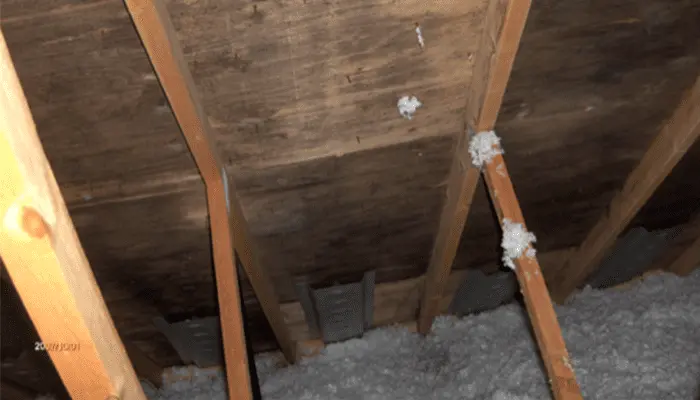
Attics in new construction homes are a frequent source of hidden mold. Even with modern designs, attics can trap humid air if ventilation isn’t balanced correctly.
Warning signs include:
- Condensation on roof decking
- Damp or compressed insulation
- Musty odors entering living spaces
- Staining on attic wood
In Sykes Creek, humid air entering attic spaces can condense rapidly due to temperature differences between indoors and outdoors.
Early Signs Mold May Be Developing in a New Home
Because homeowners expect new homes to be problem-free, early signs of mold are often dismissed or overlooked.
Common early indicators include:
- Musty or earthy odors
- Condensation on windows or vents
- Rooms that feel damp despite AC use
- Odors stronger after rain or storms
- Uneven comfort between rooms
These signs often point to moisture trapped during construction rather than homeowner-caused issues.
Why Warranties Don’t Always Catch Mold Issues
New construction warranties typically focus on structural defects, not moisture behavior. Mold problems may fall into gray areas, especially when they develop gradually.
Challenges include:
- Moisture issues discovered after warranty periods
- Mold growing in non-visible areas
- Disputes over responsibility
- Delayed symptoms appearing months later
Because of this, early inspections are often more effective than waiting for visible damage.
Why DIY Checks Aren’t Enough in New Construction
Homeowners often assume mold inspections are only needed for older homes. In Sykes Creek, that assumption leads to missed issues.
DIY checks often miss:
- Moisture behind walls
- Attic ventilation imbalances
- HVAC condensation patterns
- Elevated moisture in slabs or flooring
Professional inspections focus on moisture movement—not just visible mold—making them valuable even in brand-new homes.
Professional Mold Inspections in New Sykes Creek Homes
A professional inspection of new construction focuses on identifying moisture conditions before mold spreads.
An inspection may include:
- Moisture readings in walls and floors
- Attic and roof decking evaluation
- HVAC and ductwork inspection
- Identification of construction-related moisture
Local providers such as Mold Removal Merritt Island often perform these inspections for new homeowners seeking confirmation that their home is drying properly and performing as intended.
Preventing Mold Early in New Construction Homes
Early prevention is much easier than remediation later.
Effective steps include:
- Monitoring indoor humidity from day one
- Running AC systems consistently, not intermittently
- Inspecting attics during the first year
- Checking HVAC drain lines regularly
- Addressing musty odors immediately
These habits help new homes adjust to Sykes Creek’s coastal environment without trapping moisture.
Why Local Sykes Creek Experience Matters
New construction near the water behaves differently than inland builds. Local experience matters because professionals familiar with Sykes Creek understand how lagoon humidity, slab foundations, and coastal airflow affect new homes during their first few years.
This insight allows for earlier detection of issues tied to construction moisture and local climate—not generic building advice.
A Smart, Proactive Next Step
Owning a new home in Sykes Creek is a major investment. Taking a proactive approach to moisture and mold helps protect that investment before problems develop out of sight.
If a new home shows musty odors, condensation, or persistent humidity, a professional evaluation can provide reassurance or identify issues early. Catching moisture problems now helps ensure the home stays healthy, comfortable, and durable for years to come.
