
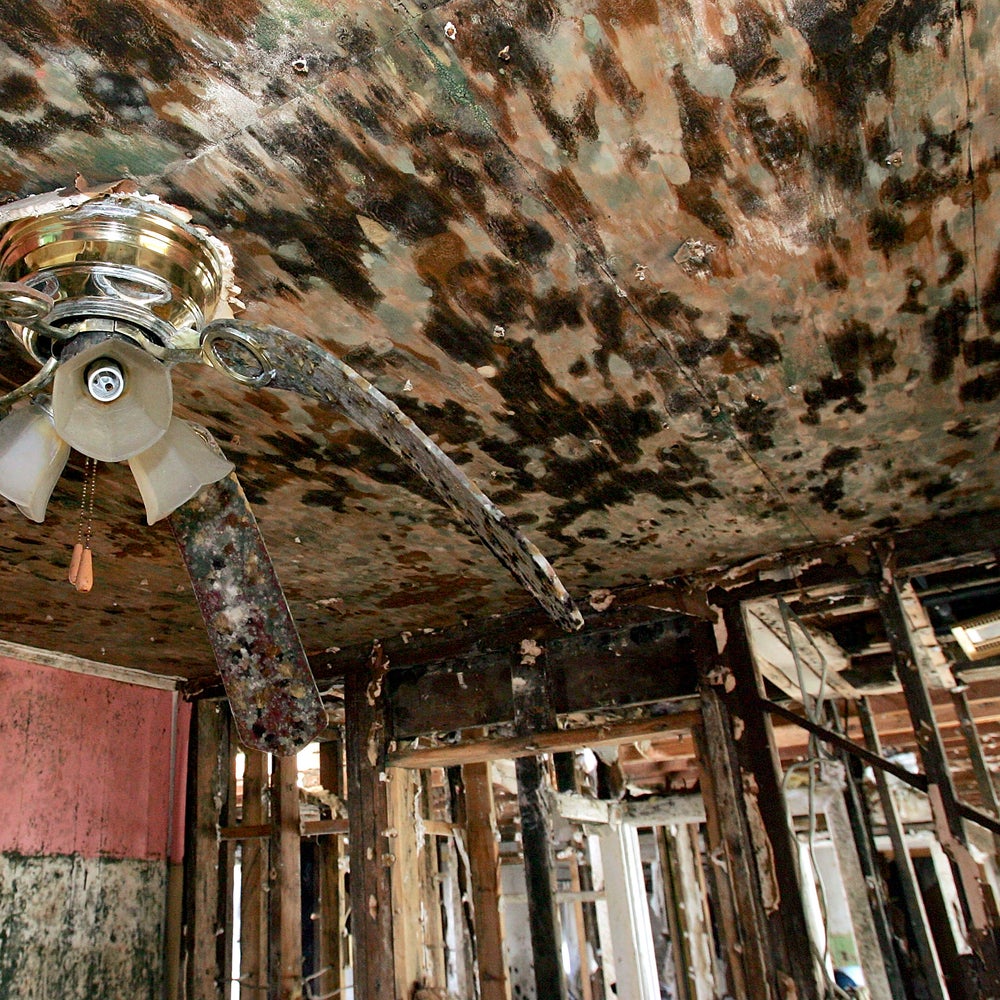
Mold in New Construction in Banana River: What Merritt Island Property Owners Should Know
If you’ve invested in a new home or commercial space in Banana River on Merritt Island, you probably expect it to be mold-free, right? New construction should mean fresh walls, tight seals, and minimal maintenance… except when it doesn’t. Even brand-new buildings can develop mold if moisture isn’t managed properly. In subtropical Florida climates like ours, moisture is the enemy of everything that’s supposed to stay dry.
Here’s a straight-talk guide for property owners about how and why mold still shows up in new buildings, what to watch for, and how to prevent issues before they cost you time, money, and health.
Why Mold in New Construction Is More Common Than You Think
You might assume mold is only a problem in old, damp houses. That’s a myth. In Banana River, new construction has unique challenges:
Moisture during the build: Builders often work around coastal humidity, rain events, and wet materials. Wood, drywall, insulation and even concrete can hold moisture from the construction process.
Tight envelopes without proper ventilation: Modern energy-efficient homes are great at keeping air in — including moisture. Without balanced ventilation, humidity gets trapped.
HVAC sizing and commissioning issues: If your new HVAC unit is oversized, undersized, or not properly calibrated, it won’t control humidity well. High humidity = mold risk.
Landscape grading and drainage problems: Even new homes can be built without adequate site drainage. That means moisture pools around foundations and eventually seeps inside.
The key takeaway? New doesn’t always mean dry.
How Mold Gets a Foothold in New Buildings
Mold needs just a few things:
- Moisture
- Organic material to feed on
- Time
In Banana River new construction, those conditions can unknowingly be present long before you move in:
Framing materials: Lumber shipped straight from wet mills stays damp.
Concrete curing: Fresh concrete releases moisture as it cures — for weeks.
Roofing and flashing gaps: Even small installation errors can let wind-driven rain inside.
Indoor activities: Showers, cooking, and laundry in newly sealed homes can spike indoor humidity without proper ventilation.
Once moisture lingers above about 60 percent relative humidity — common in coastal Florida — mold can start germinating within 24 to 48 hours.
Common Places Mold Appears in New Homes
Even in pristine builds, mold likes to hide in predictable spots:
Crawlspaces and Slabs
New homes often struggle with moisture from soil and lack of vapor barriers. Elevated moisture under slabs or in crawlspaces invites mold on wood framing and insulation.
Behind Drywall and Insulation
If drywall was installed before materials fully dried out, mold can start on the paper backing — invisible until it’s widespread.
Bathrooms and Kitchens
High humidity plus even small construction water residue behind walls leads to hidden growth.
HVAC Ductwork and Coils
New ducts and coils collect condensation. Without proper insulation and airflow, those cold surfaces become breeding grounds for mold.
Window Frames and Exterior Penetrations
Improper sealing during construction lets humid air bypass defenses and condense inside wall cavities.
Health Impacts: Why You Should Care
Mold isn’t just an aesthetic problem. When spores become airborne, they can trigger:
- Coughing and throat irritation
- Nasal congestion
- Worsening asthma or allergy symptoms
- Sinus discomfort
- General fatigue or headache for sensitive people
Even if the visible mold appears minor, spores can circulate through the ventilation system and affect indoor air quality throughout your home.
Signs You Might Have Mold in Your New Build
Sometimes the clues are obvious — sometimes not:
Visible Signs
- Dark spots on drywall, ceilings, or wood
- Staining around windows, floors, or baseboards
- Warping or blistering paint
Smell
- Musty, damp odors that don’t go away with cleaning or airing out
Health Clues
- Respiratory irritation that improves when you’re away from home
- Persistent allergy-like symptoms without an obvious trigger
If you notice any of these early, you can stop a small problem from becoming a big one.
Prevention Starts at the Foundation
Here’s the cold truth: fixing mold is harder than preventing it. These steps matter before you move in:
1. Control Moisture During Construction
- Confirm that framing materials were dry when installed
- Ask whether vapor barriers and proper sealing methods were used
- Ensure concrete had ample drying time before closing walls
2. Get Proper Ventilation
- Balanced ventilation systems reduce indoor humidity
- Install exhaust fans in bathrooms and kitchens that vent outside, not into attics
3. Size and Tune the HVAC Correctly
- HVAC systems should be sized for comfort and dehumidification
- Make sure refrigerant charge, blower speed, and airflow are checked professionally
4. Grade the Property Correctly
- Water should slope away from the foundation
- Downspouts should discharge water away from the house
5. Monitor Indoor Humidity
A small digital hygrometer (less than $20) tells you if humidity is creeping above 50 percent — a red flag.
What To Do If You Find Mold
Not every patch needs full remediation, but you do need to act:
Minor, isolated mold (under a few square feet):
- You might clean this yourself with a mold-safe cleaner and ensure the area dries completely.
Larger infestations or hidden mold:
- Call a professional inspector. They can check air quality, find hidden colonies, and recommend remediation.
Good remediation involves:
- Stopping the moisture source
- Containing the problem area
- Removing affected materials
- Cleaning and drying thoroughly
Skipping steps usually means the mold comes back.
Warranty and Builder Responsibility
New homes often come with builder warranties. Before assuming you’re on your own:
- Review your warranty for moisture, mold, or water intrusion coverage
- Document issues promptly with photos and dated communication
- Request inspections in writing
Some defects are covered — especially if they’re tied to improper construction practices.
Insurance Considerations
Standard homeowner insurance policies often don’t cover mold caused by long-term moisture buildup. They might cover sudden, accidental events (like a burst pipe), but not slow leaks or humidity problems.
Talk to your agent about:
- Mold endorsements
- Water intrusion coverage
- Requirements for claiming moisture damage
Knowing your policy helps you budget for mold prevention and remediation before you need it.
Final Takeaways for Banana River Property Owners
Mold in new construction isn’t a sign of poor luck — it’s a sign of moisture that wasn’t fully controlled. In coastal climates like Banana River:
- Moisture is everywhere.
- Mold can grow fast — often before you even notice it.
- Prevention beats remediation every time.
Control humidity, verify proper construction practices, maintain your HVAC, and act quickly at the first sign of trouble. Your home will stay healthier and your indoor air cleaner.
If you want help evaluating your specific situation — whether that’s humidity monitoring, HVAC advice, or where mold is most likely hiding — just ask.
