
Mold in Kitchens in Merritt Island: What Merritt Island Property Owners Should Know
Kitchens are one of the most active areas in any Merritt Island home, and they’re also one of the most common locations for hidden mold growth. Between cooking moisture, plumbing connections, appliance condensation, and Florida’s coastal humidity, kitchens can quietly develop mold problems that property owners don’t notice until damage or odors appear.
Across neighborhoods in North Merritt Island, South Merritt Island, and communities along Sykes Creek, Banana River, and the Indian River, many homeowners assume mold is mainly a bathroom issue. In reality, kitchens frequently produce the perfect environment for mold growth — especially when moisture goes unnoticed behind cabinets or under flooring.
Understanding why kitchen mold develops, where it hides, and how to prevent it can help property owners avoid expensive repairs and indoor air quality problems.
Understanding Mold Problems in Kitchens
Mold needs three main conditions to grow:
• Moisture
• Organic material (like wood or drywall)
• Limited airflow
Kitchens naturally supply all three. Steam from cooking, dishwashing, sink use, and Florida’s humid air constantly add moisture to the space. Cabinets, drywall, and flooring materials provide surfaces where mold can establish itself.
Unlike bathroom mold, kitchen mold often stays hidden longer because it grows behind appliances or cabinets rather than in visible open areas.
By the time homeowners notice an odor or staining, mold may have already spread inside walls or under floors.
Why Kitchen Mold Happens So Often in Merritt Island
Homes in Merritt Island face environmental challenges that make kitchens especially vulnerable.
Coastal Humidity
Living between waterways means indoor humidity stays elevated most of the year. Even homes with air conditioning still experience moisture entering through doors, windows, and ventilation systems.
Kitchens accumulate this humidity while adding cooking moisture on top of it.
Frequent Storm Activity
Storms and hurricanes common to Brevard County often cause small leaks around roofs, windows, or exterior walls. Moisture intrusion near kitchens may go unnoticed if it occurs behind cabinets.
High Water Table Conditions
Homes near lagoons or waterfront areas may experience elevated ground moisture, which can affect slab foundations and contribute to indoor humidity levels.
Appliance Condensation
Refrigerators, dishwashers, and ice makers produce condensation that can collect behind appliances. Small leaks often go unnoticed until mold growth becomes significant.
Signs Homeowners Often Notice First
Kitchen mold rarely appears all at once. Instead, it usually begins with small clues.
Common warning signs include:
• Musty or earthy smells in the kitchen
• Warped cabinet bases or swelling wood
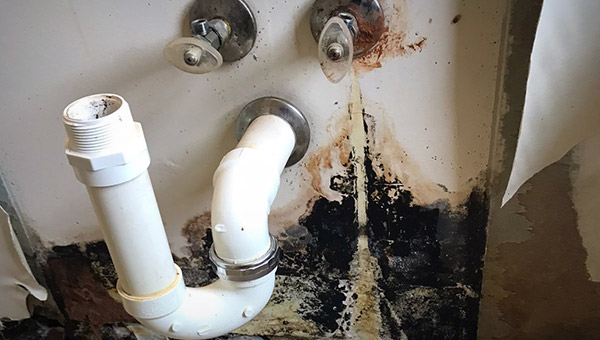
• Discoloration under sinks
• Bubbling paint or peeling surfaces
• Mold spots around windows or ceilings
• Recurring dampness under cabinets
• Increased allergy irritation indoors
Because kitchens are busy areas, many people overlook these signs until problems become more severe.
Hidden Mold Sources in Kitchens
The most serious mold problems are often out of sight.
Under Sink Cabinets
Plumbing leaks, even very slow ones, are one of the most common mold sources. Water may leak for months before damage becomes visible.
Behind Refrigerators
Condensation and water line leaks behind refrigerators often create mold colonies against drywall.
Dishwashers and Ice Makers
Appliances connected to water lines may leak slightly without detection, feeding hidden mold growth.
Under Kitchen Flooring
Spilled water or slow leaks can seep under flooring materials, allowing mold to grow beneath tiles, vinyl, or laminate.
Behind Kitchen Walls
Leaks from adjacent bathrooms or exterior walls can allow mold growth behind kitchen surfaces.
Ceiling Spaces
Roof leaks or attic moisture often show up in kitchen ceilings before other areas.
Hidden mold can spread long before homeowners realize there is a problem.
Why DIY Mold Cleanup Often Fails
Many homeowners try cleaning mold with bleach or surface cleaners. While stains may disappear temporarily, mold frequently returns.
Common DIY mistakes include:
• Cleaning only visible mold
• Ignoring moisture sources
• Painting over affected areas
• Using fans that spread spores
• Failing to dry affected materials fully
Bleach also does not penetrate porous materials like drywall or wood, leaving mold roots behind.
Without fixing moisture problems, mold growth simply continues.
How Professional Mold Inspection and Testing Works
Professional mold inspections look deeper than surface cleaning.
A thorough inspection may include:
Visual Examination
Inspectors look at cabinetry, appliances, walls, ceilings, and flooring for moisture indicators.
Moisture Detection Equipment
Meters help locate damp materials behind walls or under floors.
Thermal Imaging
Infrared technology identifies hidden moisture pockets invisible to the eye.
Air or Surface Sampling
When necessary, testing confirms mold levels or identifies hidden contamination.
Inspection findings are explained clearly so property owners understand both the problem and the solution.
Proper Kitchen Mold Remediation Process
Professional remediation addresses both contamination and the underlying moisture issue.
A proper process usually includes:
Containment Setup
Affected areas are sealed off to prevent spores from spreading.
Removal of Damaged Materials
Contaminated drywall, cabinetry, or flooring may be safely removed if necessary.
Cleaning and Treatment
Remaining surfaces are professionally cleaned using mold-safe methods.
Moisture Source Correction
Leaks or condensation problems are repaired.
Prevention Recommendations
Homeowners receive guidance on improving ventilation and moisture control.
The goal is not only cleanup but preventing recurrence.
How Merritt Island Homeowners Can Prevent Kitchen Mold
Preventing mold requires reducing moisture buildup.
Effective prevention steps include:
• Fix plumbing leaks immediately
• Check under sinks regularly
• Clean and inspect behind appliances annually
• Use exhaust fans when cooking
• Keep kitchen areas well ventilated
• Maintain AC systems properly
• Use dehumidifiers if indoor humidity remains high
• Inspect homes after storms for hidden leaks
Regular inspections and quick repairs significantly reduce mold risks.
Why Local Merritt Island Experience Matters
Mold behaves differently in coastal Florida than in many other areas.
Professionals familiar with Merritt Island understand:
• Local humidity patterns
• Waterfront moisture challenges
• Construction styles common in the region
• Storm-related water intrusion risks
This experience allows faster identification of hidden problems and better long-term solutions.
Companies like Mold Removal Merritt Island regularly address these conditions and understand how to prevent recurring mold issues in local homes.
When to Consider a Professional Inspection
Property owners should consider an inspection if:
• Musty smells persist in the kitchen
• Cabinets or flooring show moisture damage
• Mold returns after cleaning
• Appliances have leaked
• The home recently experienced storm damage
Early inspections typically prevent more costly repairs later.
A calm, professional evaluation provides clarity without unnecessary alarm and helps homeowners understand the best next steps.
Kitchen mold is common in Merritt Island homes, but with proper attention and moisture control, it can be managed effectively. Recognizing early warning signs and addressing moisture issues promptly helps keep homes safe, comfortable, and healthy throughout Brevard County’s coastal climate.
