
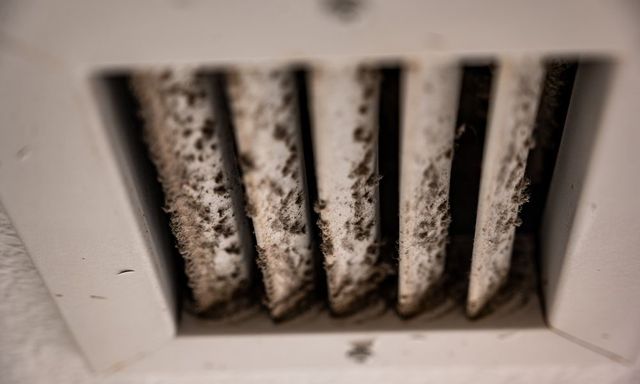
Mold in HVAC Systems in South Merritt Island: What Merritt Island Property Owners Should Know
Air conditioning systems are essential in South Merritt Island homes. With warm temperatures and high humidity lasting most of the year, HVAC systems often run daily to keep homes comfortable. However, many property owners are unaware that these same systems can sometimes become a hidden source of mold growth.
Homes located near the Banana River, Indian River Lagoon, and surrounding waterfront neighborhoods experience constant exposure to coastal humidity. When moisture combines with dust and organic debris inside HVAC components, mold growth can develop and spread through the entire home.
Because HVAC systems circulate air throughout the property, mold inside the system can affect multiple rooms at once. Understanding how mold develops in HVAC equipment — and how to prevent it — helps Merritt Island homeowners protect indoor air quality and avoid recurring mold problems.
How Mold Develops Inside HVAC Systems
HVAC systems naturally create moisture as part of the cooling process. When warm indoor air passes over cold evaporator coils, condensation forms. Normally, this moisture drains away through a condensate line.
However, problems arise when moisture cannot drain properly or when airflow is restricted. Mold spores, which are always present in the air, settle on damp surfaces and begin to grow.
Common HVAC areas where mold develops include:
- Evaporator coils
- Drain pans
- Condensate lines
- Air handlers
- Ductwork interiors
- Blower compartments
- Filters and filter housings
Once mold grows inside the system, spores can circulate throughout the home each time the AC runs.
Why HVAC Mold Problems Are Common in South Merritt Island
South Merritt Island’s environment creates several conditions that increase mold risk in HVAC systems.
High Coastal Humidity
Outdoor humidity remains elevated much of the year, forcing air conditioning systems to run frequently to control indoor moisture.
Continuous System Operation
Because AC systems operate almost constantly in summer months, condensation occurs regularly, increasing the chance of moisture buildup.
Salt Air Exposure
Coastal air can contribute to corrosion of HVAC components over time, which may affect drainage and airflow performance.
Older System Installations
Some homes have aging HVAC equipment or ductwork that lacks modern moisture control features.
Storm and Power Outages
After storms or hurricanes, AC systems may sit idle while homes remain humid, creating ideal mold conditions inside ductwork and air handlers.
Homes located close to waterways often experience higher humidity intrusion, further stressing HVAC systems.
Signs Mold May Be Present in HVAC Systems
Because HVAC systems operate behind walls or in attics and closets, mold problems often go unnoticed at first. Property owners typically notice secondary signs inside the home.
Common warning signs include:
- Musty odors when AC starts running
- Odors stronger near vents
- Increased allergy-like irritation indoors
- Visible dust buildup around vents
- Uneven airflow in rooms
- Persistent humidity inside the home
- Mold growth around vent registers
Some homeowners report odors appearing only when the AC first turns on, indicating mold growth somewhere within the system.
Hidden Locations Mold Develops in HVAC Equipment
Professional inspections frequently reveal mold in areas homeowners cannot see, such as:
- Inside evaporator coil compartments
- Beneath drain pans holding standing water
- Inside flexible duct lines
- Around air handler insulation
- Inside return air ducts
- Around improperly sealed duct joints
- Inside attic duct systems exposed to heat and humidity
Leaks in ducts or insulation damage can also allow humid attic air to enter the system, creating moisture buildup.
In South Merritt Island homes, attic-installed systems are especially vulnerable due to high attic temperatures and humidity.
Why DIY Cleaning Often Doesn’t Solve HVAC Mold Problems
Homeowners sometimes try to address mold smells by replacing filters or spraying cleaners into vents. Unfortunately, this approach rarely resolves underlying contamination.
Surface cleaning does not reach mold growing inside coils, ducts, or drain systems. Mold often returns quickly because moisture conditions remain unchanged.
Attempting to clean ducts without proper containment may spread spores throughout the home.
Most importantly, mold problems persist unless condensation or drainage issues are corrected.
Professional inspection helps identify root causes rather than just surface symptoms.
What Happens During Professional HVAC Mold Inspection
A professional mold inspection evaluates both the HVAC system and surrounding areas for contamination and moisture issues.
Inspection steps may include:
- Visual inspection of air handlers and coils
- Checking condensate drain performance
- Moisture measurements near HVAC components
- Inspection of ductwork conditions
- Attic system evaluation
- Air sampling when appropriate
Air testing may compare indoor air to outdoor air to determine whether mold spores are elevated due to HVAC contamination.
Inspectors familiar with South Merritt Island homes, including professionals experienced with patterns regularly addressed by Mold Removal Merritt Island, often identify common HVAC moisture problems quickly.
How Proper HVAC Mold Remediation Works
Remediation focuses on cleaning contamination while correcting moisture conditions.
Professional HVAC remediation typically includes:
- Containment during cleaning
- HEPA air filtration
- Cleaning coils and air handler components
- Clearing condensate drain lines
- Treating contaminated surfaces
- Duct cleaning or replacement when necessary
- Improving insulation or sealing ducts
- Addressing airflow or drainage issues
The goal is restoring clean airflow while preventing mold regrowth.
Preventing Mold Growth in HVAC Systems
Preventive maintenance plays a major role in reducing mold risk.
Helpful prevention steps include:
- Replacing air filters regularly
- Scheduling annual HVAC maintenance
- Checking condensate drain lines for clogs
- Keeping drain pans clean
- Sealing and insulating ductwork
- Monitoring indoor humidity levels
- Using dehumidifiers in humid homes
- Inspecting systems after storms or power outages
Homes near the Banana River or other waterfront areas often benefit from additional humidity monitoring throughout the year.
Why Local Experience Matters in HVAC Mold Cases
HVAC mold behavior varies by climate and building style. Professionals familiar with Merritt Island homes understand how coastal humidity, attic heat, and local construction practices influence HVAC performance.
Local experience helps inspectors quickly locate hidden moisture issues and recommend solutions suited to homes across South Merritt Island.
Many properties in the area share similar HVAC installation patterns, making regional knowledge especially valuable.
A Practical Next Step for Property Owners
If your home develops musty odors when the AC runs or indoor air feels damp, a professional inspection can determine whether the HVAC system may be contributing to mold concerns.
Most HVAC mold issues can be resolved once moisture sources are corrected and contaminated areas are cleaned properly. Early action helps maintain indoor comfort and protect property value.
Whether you own or manage property in South Merritt Island, periodic HVAC inspections help ensure your system continues providing clean, comfortable air while reducing mold risks throughout the home.
