
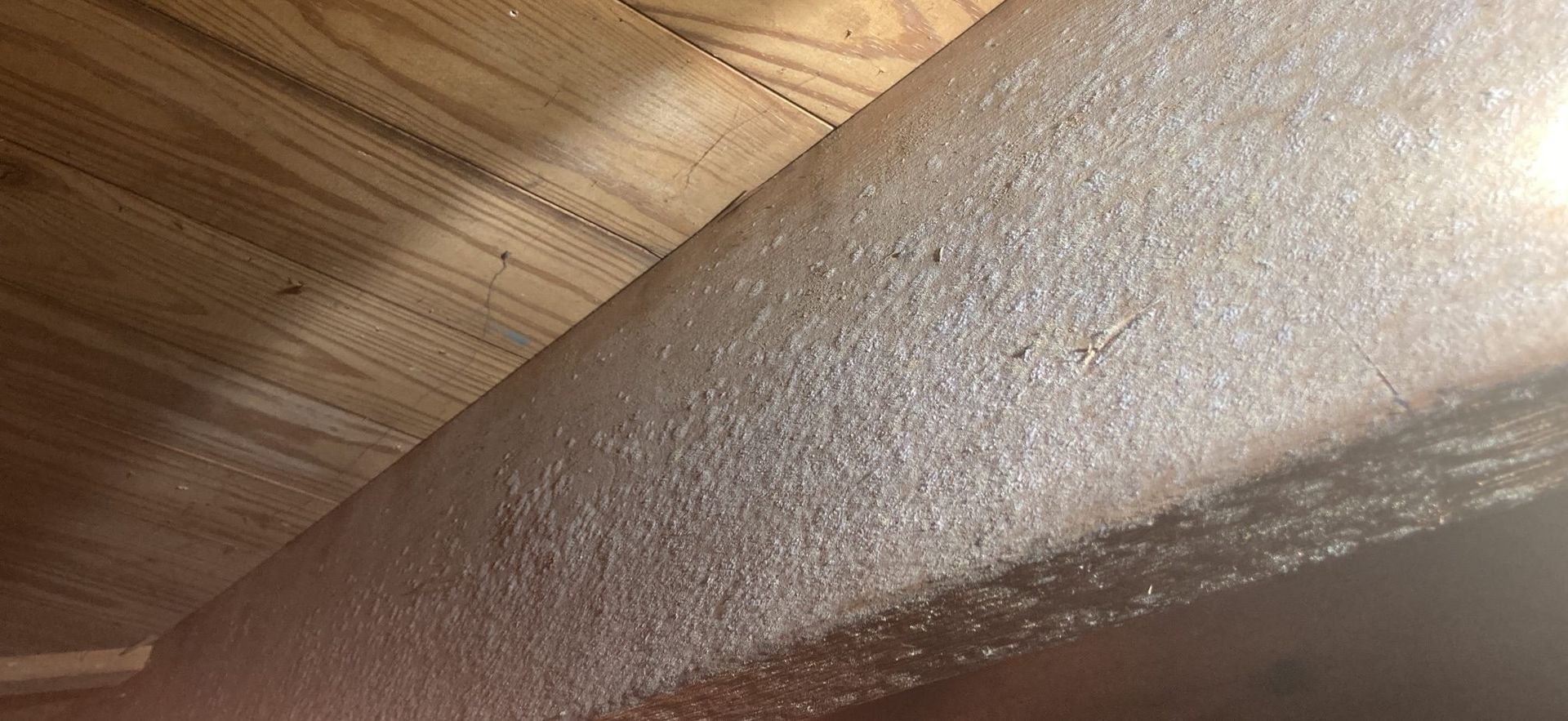
Mold in Crawl Spaces in South Merritt Island: What Merritt Island Property Owners Should Know
Crawl spaces are one of the most overlooked parts of homes in South Merritt Island, yet they are also one of the most common places mold develops. Because most homeowners rarely enter these areas, moisture and mold problems can grow unnoticed for months or even years.
In neighborhoods throughout South Merritt Island, especially homes near Banana River and Indian River waterfront areas, crawl spaces frequently experience moisture buildup due to Florida’s coastal environment. Over time, this trapped moisture allows mold to grow on wood framing, insulation, and flooring materials, potentially affecting the entire home above.
Understanding why crawl space mold occurs and how to prevent it is important for maintaining both the structure and indoor air quality of homes across Brevard County.
Understanding Mold Growth in Crawl Spaces
Mold thrives wherever moisture remains present and organic materials are available. Crawl spaces typically contain:
• Wooden support beams and joists
• Subfloor materials
• Insulation
• Soil or concrete surfaces
• Stored items
When moisture collects in this enclosed area, mold spores naturally present in the air begin growing on damp surfaces.
Because crawl spaces are hidden, mold growth often spreads extensively before homeowners realize there is a problem.
Why Crawl Space Mold Happens So Often in South Merritt Island
Homes in South Merritt Island face unique environmental conditions that increase crawl space moisture risks.
High Coastal Humidity
South Merritt Island sits between major waterways, keeping humidity levels high year-round. Moist air often enters crawl spaces through vents or ground exposure, where it becomes trapped.
High Water Tables
Many areas of Brevard County have high groundwater levels. After heavy rain or storms, moisture can seep into crawl spaces from the ground below.
Storm and Flooding Conditions
Storm surges, heavy rainfall, and hurricanes can introduce water beneath homes, especially those located near lagoons or canals.
Poor Ventilation Designs
Older crawl spaces often rely on venting systems designed for cooler climates. In Florida, these vents may actually introduce humid air rather than remove moisture.
Plumbing and HVAC Leaks
Leaking pipes or condensation on HVAC systems beneath homes often create ongoing moisture issues.
Signs Homeowners May Notice First
Even though crawl spaces are hidden, warning signs often appear inside the home.
Common indicators include:
• Musty smells inside the home
• Floors feeling damp or soft
• Warped or buckling flooring
• Increased indoor humidity
• Allergy symptoms worsening indoors
• Pest activity increasing
These signs often originate from moisture and mold beneath the home.
Hidden Mold Sources in Crawl Spaces
Mold growth in crawl spaces usually occurs in specific areas.
Floor Joists and Subflooring
Wooden materials absorb moisture easily, allowing mold colonies to develop on structural components.
Insulation
Wet insulation traps moisture and becomes a breeding ground for mold.
Ground Surfaces
Bare soil releases moisture into crawl spaces, increasing humidity levels.
Around Plumbing Areas
Small leaks from pipes often go unnoticed beneath homes.
HVAC Ductwork
Air ducts running through crawl spaces may produce condensation, contributing to mold growth.
Hidden moisture in these areas can spread mold throughout the crawl space over time.
Why DIY Mold Removal Usually Fails in Crawl Spaces
Many homeowners attempt to clean crawl space mold without addressing the real moisture source.
Common DIY problems include:
• Cleaning mold without fixing moisture issues
• Inadequate protective equipment
• Spreading spores into living spaces
• Leaving wet insulation in place
• Ignoring ventilation problems
Household cleaners also fail to penetrate porous materials where mold roots grow.
Without correcting moisture problems, mold typically returns.
How Professional Mold Inspection and Testing Works
Professional inspections focus on both contamination and moisture sources.
An inspection usually includes:
Visual Evaluation
Inspectors examine framing, insulation, ductwork, and ground surfaces.
Moisture Measurements
Meters help identify damp materials beneath the home.
Thermal Imaging
Infrared tools detect hidden moisture areas.
Sampling When Needed
Air or surface samples may confirm contamination levels or hidden growth.
Findings are explained clearly so property owners understand the problem and solutions.
Proper Crawl Space Mold Remediation Process
A professional remediation plan addresses both mold and moisture.
Typical steps include:
Containment Measures
Work areas are isolated to prevent spores from entering living areas.
Removal of Contaminated Materials
Wet insulation or damaged materials may be safely removed.
Surface Cleaning
Wood framing and other materials are cleaned using mold-safe methods.
Moisture Correction
Leaks or drainage problems are repaired.
Encapsulation or Vapor Barriers
Ground surfaces may be sealed to reduce moisture intrusion.
Prevention Guidance
Homeowners receive advice on long-term moisture control.
The goal is long-term prevention, not just temporary cleanup.
How to Prevent Crawl Space Mold in Merritt Island Homes
Prevention focuses on moisture control.
Helpful steps include:
• Install ground vapor barriers
• Repair plumbing leaks promptly
• Improve crawl space ventilation or encapsulation
• Maintain HVAC systems properly
• Inspect crawl spaces after storms
• Monitor indoor humidity levels
Routine inspections help catch problems early.
Why Local Experience Matters in Crawl Space Cases
Crawl space conditions vary by location, and Merritt Island homes face unique challenges.
Local professionals understand:
• Coastal moisture patterns
• High water table impacts
• Flood-prone neighborhood risks
• Common construction styles in the area
Professionals such as Mold Removal Merritt Island regularly inspect crawl spaces throughout South Merritt Island and understand how to address local moisture conditions effectively.
When Property Owners Should Consider an Inspection
Homeowners should consider professional evaluation if:
• Musty odors persist indoors
• Floors show signs of moisture damage
• Homes recently experienced flooding or heavy rain
• Crawl spaces have not been inspected in years
• Humidity levels remain high indoors
Early inspections help prevent structural damage and indoor air quality concerns.
For homeowners unsure about conditions beneath their homes, a calm professional inspection provides clarity and helps maintain a healthier living environment.
Crawl space mold problems are common in South Merritt Island, but with proper moisture control and inspections, homes can remain safe and comfortable throughout Brevard County’s coastal climate.
