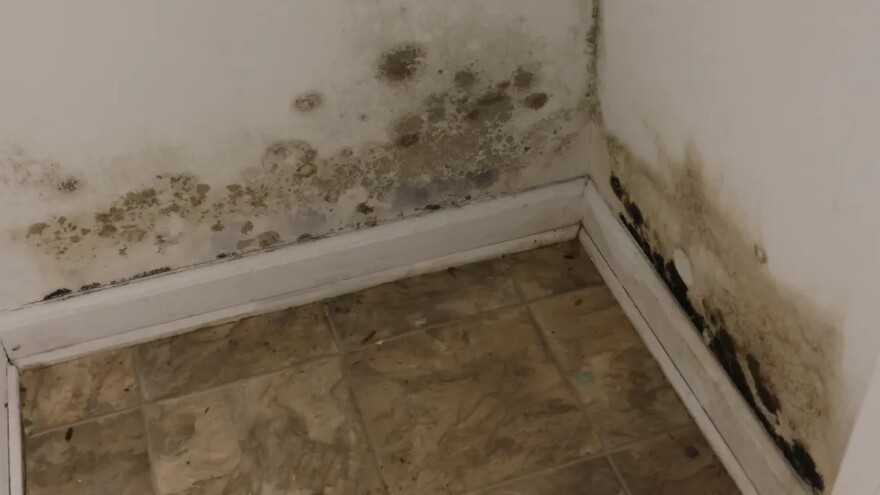
Mold in Condos in South Merritt Island: What Merritt Island Property Owners Should Know
Condos in South Merritt Island offer waterfront views, ocean breezes, and low-maintenance living—but they also come with unique mold risks that many owners don’t fully understand. Between shared walls, coastal humidity, and building-wide systems, mold issues in condos often develop differently than in single-family homes.
What makes condo mold especially challenging is that problems may start outside your individual unit but still impact your living space. Moisture moving through walls, ceilings, or shared HVAC components can allow mold to grow quietly until odors, staining, or indoor air quality changes become impossible to ignore.
Why Condos in South Merritt Island Are Prone to Mold
South Merritt Island condos sit in one of the most moisture-heavy environments in Brevard County. Proximity to the Banana River and Indian River means elevated humidity levels year-round, even during cooler months.
Several condo-specific factors increase mold risk:
- Shared walls and ceilings that trap moisture
- Centralized plumbing systems running through multiple units
- Rooftop and common-area HVAC equipment
- Limited ventilation in interior rooms
- High water tables beneath slab construction
Because condos rely on shared building systems, moisture problems can spread farther and faster than many owners expect.
How Mold Commonly Develops in Condo Buildings
Mold in condos rarely starts with visible wall growth. More often, it begins in hidden areas where moisture is slow to dry.
Typical mold development paths include:
- Condensation forming inside shared walls
- Water intrusion from roof or exterior envelope issues
- AC condensation from neighboring units
- Plumbing leaks traveling vertically between floors
- Moisture buildup beneath flooring installed over slabs
Once mold establishes itself in these concealed spaces, it can affect multiple units simultaneously.
Areas Most Affected in South Merritt Island Condos
Certain areas in condos are especially vulnerable to mold growth.
Shared walls and ceilings
Moisture migrating from adjacent units or common spaces often accumulates here.
Bathrooms and kitchens
High moisture use combined with limited ventilation creates ideal conditions.
HVAC vents and ductwork
Condensation inside shared duct systems can spread mold spores throughout units.
Under flooring
Tile, laminate, or vinyl flooring installed over slabs can trap moisture beneath the surface.
Closets and interior rooms
Spaces without windows or adequate airflow often stay damp longer.
Signs Condo Owners Often Notice
Because mold growth is often hidden, early warning signs can be subtle.
South Merritt Island condo owners commonly report:
- Musty or stale odors that linger
- Discoloration near vents or baseboards
- Condensation on windows or AC vents
- Floors that feel uneven or cool
- Increased allergy-like symptoms indoors
These symptoms may come and go, especially as humidity levels fluctuate.
Hidden Moisture Sources Unique to Condos
Unlike single-family homes, condos often have moisture sources owners don’t directly control.
Common hidden contributors include:
- Leaks from units above or beside yours
- Aging roof systems affecting top-floor units
- Poorly sealed balconies and sliding doors
- Shared plumbing failures inside walls
- AC condensate lines connected to building systems
In South Merritt Island, salt air can also accelerate corrosion in shared mechanical components, increasing leak risk over time.
Why DIY Mold Cleanup Is Risky in Condo Units
DIY mold cleanup in condos often makes problems worse—especially when mold extends beyond your unit.
Common issues with DIY attempts include:
- Cleaning visible mold while hidden growth remains
- Disturbing mold in shared walls without containment
- Spreading spores through shared ventilation systems
- Failing to address building-wide moisture sources
Without understanding how moisture moves through the entire structure, DIY fixes rarely provide lasting results.
How Professional Mold Inspection Works in Condos
Condo mold inspections require a broader perspective than inspections in detached homes.
A professional inspection may involve:
- Moisture mapping of walls, ceilings, and floors
- Evaluating HVAC airflow and condensation patterns
- Identifying moisture intrusion from common elements
- Air or surface sampling when appropriate
- Coordinating findings that may involve HOA responsibilities
The goal is to determine where moisture is coming from and how it’s affecting both the unit and the building.
Proper Mold Removal and Remediation in Condos
Effective remediation in condo environments must balance thoroughness with minimal disruption.
A proper remediation process typically includes:
- Containment to prevent spore spread to neighboring units
- Safe removal of contaminated materials
- Drying and dehumidification of affected areas
- Addressing moisture sources within the unit
- Recommendations for building-level issues when relevant
In many cases, coordination with property management or HOAs is necessary for long-term success.
Preventing Mold in South Merritt Island Condos
While condo owners don’t control every moisture source, proactive steps still make a big difference.
Helpful prevention strategies include:
- Keeping indoor humidity below 55%
- Using bathroom and kitchen exhaust fans consistently
- Reporting leaks or moisture issues immediately
- Maintaining AC systems and condensate lines
- Monitoring areas near exterior walls and balconies
Early action often prevents small moisture issues from becoming building-wide problems.
Why Local Merritt Island Experience Matters
Condos in South Merritt Island face different challenges than inland or newer developments. Local experience matters because:
- Coastal humidity behaves differently near waterways
- Salt air accelerates wear on shared systems
- Building designs vary widely by age and location
- Moisture can travel between units in unexpected ways
Mold Removal Merritt Island understands these local condo-specific conditions and approaches inspections with both unit-level and building-level awareness.
A Calm, Practical Next Step
If your South Merritt Island condo has musty odors, recurring moisture, or unexplained air quality changes, early evaluation can help prevent larger issues. Mold problems in condos rarely stay isolated to one unit, but addressing them early often limits disruption and repair costs.
A professional inspection focused on moisture behavior and shared building systems can provide clarity and protect both your property and your living environment.