
Mold in Airbnb Properties in Indian River: What Merritt Island Property Owners Should Know
Airbnb properties along the Indian River attract steady demand for water views, breezes, and easy access to Merritt Island attractions. But short-term rentals in this coastal corridor face a different mold risk profile than primary residences. Frequent guest turnover, periods of vacancy, and constant humidity can allow moisture to build quietly—often showing up as odors, stains, or complaints that affect bookings and reviews.
Understanding why mold develops in Indian River Airbnbs—and how to manage it—helps property owners protect revenue and avoid repeat disruptions.
Why Indian River Airbnbs Are Especially Vulnerable
Indian River homes live in a moisture-rich microclimate. For short-term rentals, that pressure is amplified by how the property is used.
Key contributors include:
- Year-round humidity that slows drying
- Vacancy periods with limited airflow
- Thermostats set too high between guests
- Frequent door and window openings
- Slab foundations that release ground moisture
Unlike owner-occupied homes, Airbnbs don’t benefit from daily habits that naturally ventilate and dehumidify spaces.
Vacancy: The Quiet Mold Trigger
Many Airbnb mold issues start when the home is empty.
During vacancy:
- AC systems may be turned off or set to save energy
- Indoor humidity rises quickly
- Air stagnates in closets and corners
- Condensation forms on vents and cool surfaces
In Indian River conditions, it can take only a few humid days for mold to begin in low-airflow areas.
Guest Turnover Adds Moisture Fast
Short stays can introduce significant moisture in a short time:
- Back-to-back showers without exhaust fans
- Cooking without ventilation
- Wet towels and swimwear drying indoors
- Doors opened repeatedly to humid air
If the AC can’t remove that moisture efficiently, it lingers after checkout.
Common Mold Hotspots in Indian River Airbnbs
Closets and Storage Areas
Exterior walls + limited airflow make closets prime targets, especially during vacancy.
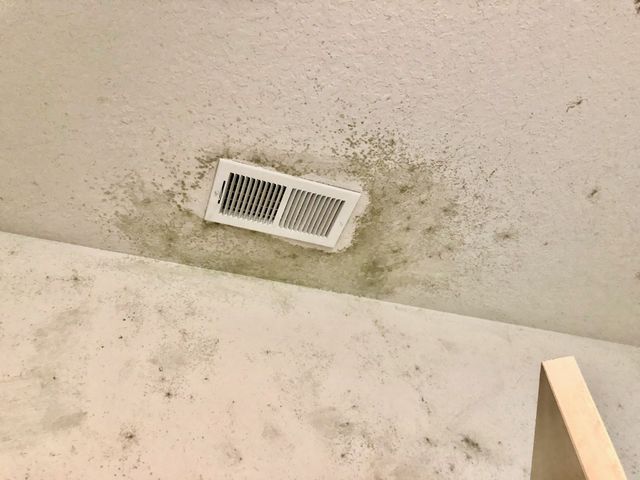
Near AC Vents and Returns
Condensation and airflow patterns can cause staining or growth around vents.
Behind Furniture
Beds and dressers tight to exterior walls restrict airflow and trap humidity.
Attics
Heat and humidity combine to support mold on roof decking and framing.
Laundry Areas
Washer hoses, drain lines, and residual humidity create ongoing risk.
Odors and Reviews: Where Mold Hits Revenue
Guests may miss early visual signs, but they notice odors immediately. Musty smells often lead to:
- Negative reviews
- Refund requests
- Platform complaints
- Lost future bookings
In short-term rentals, mold isn’t just a maintenance issue—it’s a reputation issue.
Why Turnover Cleaning Isn’t Enough
Standard turnover cleaning improves appearance, not conditions. Problems persist when:
- Mold is wiped but humidity remains high
- Condensation sources aren’t corrected
- Hidden areas aren’t inspected
- AC settings don’t support dehumidification
Indian River properties need continuous moisture control, not occasional surface fixes.
AC Management Makes or Breaks Mold Control
Air conditioning is the primary moisture-control tool—if it’s used correctly.
Common Airbnb pitfalls:
- Thermostats set too high during vacancy
- Oversized systems that cool without dehumidifying
- Clogged condensate drain lines
- Ductwork sweating in humid attics
Humidity control (keeping indoor RH below ~60%) matters more than temperature alone.
Why Problems Escalate Faster in Short-Term Rentals
Compared with primary homes, Airbnbs experience:
- Bigger humidity swings
- Less consistent monitoring
- Faster reputational consequences
A small, unnoticed issue can quickly become a booking problem.
How Professionals Evaluate Airbnb Mold Risks
Effective evaluations look for patterns, not just spots:
- Humidity levels during vacancy
- Moisture in closets, attics, and wall cavities
- HVAC performance and drainage
- Airflow behind furniture and in enclosed rooms
Local specialists such as Mold Removal Merritt Island understand how Indian River humidity and short-term occupancy interact—and how to correct them.
Prevention Strategies That Work for Indian River Airbnbs
- Keep AC running during vacancy with humidity control
- Use smart thermostats or dehumidification modes
- Inspect after heavy turnover and after storms
- Improve airflow in closets and storage areas
- Pull furniture slightly off exterior walls
- Schedule routine attic and HVAC checks
Consistency beats occasional deep cleaning every time.
When to Act—and Why Timing Matters
Waiting often leads to:
- Larger affected areas
- More downtime between bookings
- Higher remediation costs
- Ongoing review damage
Early evaluation and moisture control usually mean quicker fixes and fewer cancellations.
A Practical Takeaway for Indian River Hosts
Mold risk in Indian River Airbnbs is driven by humidity, vacancy, and airflow—not cleanliness. Managing moisture every day the property is empty and every day it’s occupied is the key to protecting bookings and long-term value.
When humidity is controlled and hidden areas are monitored, mold is far less likely to threaten your calendar—or your reviews.
