
Mold From AC Condensation in Merritt Island: What Merritt Island Property Owners Should Know
Air conditioning is a necessity in Merritt Island. With year-round humidity, warm temperatures, and coastal moisture from surrounding waterways like the Banana River, Indian River, and Sykes Creek, most homes rely on AC systems almost every day of the year.
But while air conditioning keeps homes comfortable, it can also become a hidden source of mold problems when condensation is not properly controlled. Many Merritt Island homeowners are surprised to learn that mold growth inside their homes often begins because of AC-related moisture issues rather than roof or plumbing leaks.
Understanding how AC condensation leads to mold — and how to prevent it — helps property owners avoid hidden damage and maintain healthy indoor environments.
How AC Condensation Happens
Air conditioning systems cool indoor air by removing both heat and moisture. As warm air passes over cold evaporator coils inside the AC system, moisture condenses into water droplets, similar to condensation forming on a cold drink.
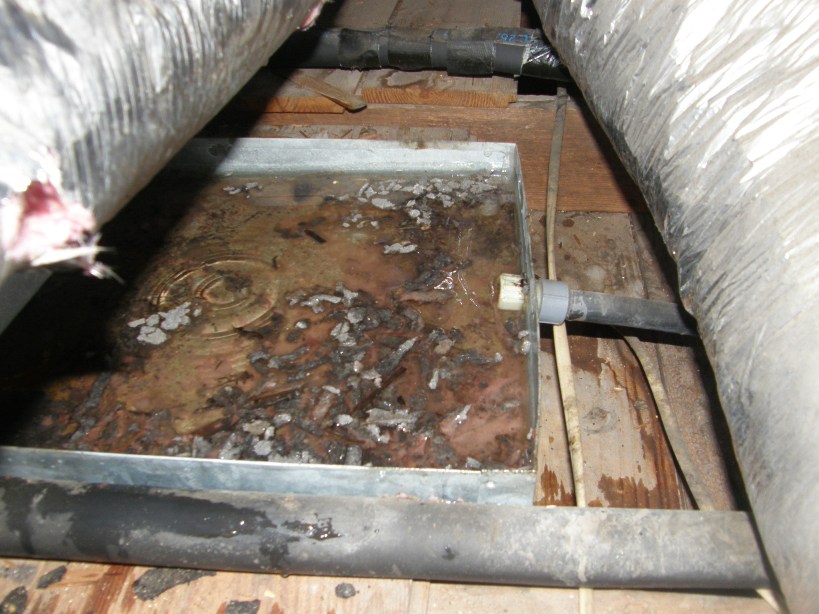
Normally, this condensation collects in a drain pan and flows safely outside through a condensate drain line. However, problems occur when:
- Drain lines clog
- Drain pans overflow
- Systems are improperly installed
- Maintenance is neglected
- Insulation around ducts fails
When condensation cannot drain properly, water accumulates inside the home, creating conditions where mold can grow.
In Merritt Island’s humid environment, AC systems produce large amounts of condensation, increasing the importance of proper drainage.
Why AC Condensation Causes Mold So Often in Merritt Island
Coastal conditions make AC-related moisture problems especially common locally.
Several factors contribute:
High Outdoor Humidity
Moist coastal air means AC systems constantly remove humidity, producing large volumes of condensation.
Constant AC Operation
Systems run nearly year-round, increasing chances of drainage issues.
Warm Attic Temperatures
Condensation forms on ducts when cold air passes through hot attic spaces.
Older Drain Systems
Many homes have aging or poorly maintained drain lines.
Improper System Installation
Incorrect slopes or blocked drains allow water buildup.
Salt Air Effects
Coastal air slowly affects metal components and fittings.
Because humidity rarely drops significantly, moisture problems can continue unnoticed until mold appears.
Common Signs of AC Condensation Problems
AC-related mold often develops quietly before homeowners realize there is an issue.
Common warning signs include:
Musty odors near air vents
Smells often become noticeable when AC starts running.
Ceiling stains near vents
Yellow or brown spots may appear around duct openings.
Water pooling near air handlers
Indoor AC units sometimes leak into closets or garages.
Rust or corrosion around drain pans
Indicates standing water problems.
Damp insulation or attic odors
Moisture buildup may occur above ceilings.
Recurring mold near vents
Cleaning spots temporarily removes stains, but mold returns.
Sometimes odors become stronger after the AC system runs continuously during hot weather.
Hidden Mold Locations Caused by AC Systems
AC condensation frequently creates mold growth in areas homeowners rarely inspect.
Common hidden problem areas include:
Air handler closets or utility rooms
Standing water sometimes forms around systems.
Attic ductwork
Cold ducts passing through hot attics create condensation.
Ceilings near vents
Moisture accumulates where ducts meet ceilings.
Inside duct insulation
Wet insulation supports mold growth.
Behind drywall near HVAC lines
Slow leaks may remain unnoticed.
Garage AC units
Moisture sometimes builds around systems installed in garages.
Because these areas remain hidden, mold can spread unnoticed.
Why DIY Fixes Often Don’t Stop the Problem
Homeowners sometimes try to fix condensation problems themselves, but the underlying cause often remains.
Common DIY mistakes include:
Cleaning mold without fixing drainage issues
Moisture remains and mold returns.
Pouring bleach into drain lines occasionally
Temporary fix without clearing blockages.
Repainting stained ceilings
Moisture continues behind surfaces.
Ignoring attic duct condensation
Hidden mold spreads above ceilings.
Running fans without correcting humidity problems
Condensation still forms.
DIY solutions often treat symptoms rather than solving moisture causes.
How Professional Mold Inspection Helps
Professional inspections identify both mold growth and moisture sources associated with AC systems.
An inspection often includes:
Visual inspection of AC systems and vents
Moisture readings around ducts and ceilings
Checking drain pans and condensate lines
Attic inspection for duct condensation
Evaluating HVAC installation and airflow
Air or surface testing when appropriate
Testing helps determine whether indoor mold levels exceed normal outdoor conditions.
Professionals familiar with Merritt Island homes understand how AC condensation behaves in coastal environments. Companies like Mold Removal Merritt Island frequently inspect homes where HVAC moisture problems led to hidden mold.
Proper Mold Remediation After AC Condensation Damage
Correct remediation focuses on both removing contamination and correcting moisture sources.
Typical remediation steps include:
Containment setup
Prevent spores from spreading during removal.
Removal of wet materials
Damaged drywall or insulation may require removal.
Professional cleaning and treatment
Remaining surfaces are properly cleaned.
Drainage or HVAC corrections
Drain lines, pans, or ventilation issues are fixed.
Final cleaning and air filtration
Air quality is restored before repairs are completed.
Correcting moisture sources prevents mold from returning.
Preventing AC Condensation Mold Problems
Homeowners in Merritt Island can reduce risks through regular maintenance and moisture control.
Helpful prevention steps include:
Having AC systems serviced annually
Cleaning condensate drain lines regularly
Ensuring drain pans remain clear
Checking air handler closets for moisture
Inspecting attic duct insulation
Keeping indoor humidity below 55%
Using dehumidifiers if needed
Monitoring ceilings and vents for stains
Scheduling inspections if musty odors appear
Routine maintenance prevents many AC-related mold problems.
Why Local Experience Matters
Mold and moisture issues vary depending on climate and construction styles. Professionals familiar with Merritt Island homes understand:
Lagoon humidity effects on HVAC systems
Storm-driven moisture patterns
Slab foundation moisture concerns
Older HVAC installations
Condensation problems common in Florida homes
Local experience helps identify risks quickly and recommend realistic solutions.
A Practical Next Step for Property Owners
AC condensation problems are common in coastal Florida, but mold growth doesn’t have to follow. Early inspection and moisture correction prevent small drainage issues from becoming larger indoor problems.
If you notice musty odors, ceiling stains near vents, or recurring moisture around your AC system, a professional evaluation can help determine whether hidden mold is present.
Most Merritt Island homeowners simply want reassurance their homes remain comfortable and protected. Experienced local professionals, including Mold Removal Merritt Island, help property owners understand potential issues and take practical next steps without pressure.
Addressing moisture early remains the easiest way to avoid larger mold problems later.
Image Generation Prompts
• Mold growth around an indoor air handler closet caused by AC condensation in a Florida coastal home, realistic residential setting, natural lighting, no people, no text or logos
• Ceiling mold forming around air conditioning duct vents due to condensation in a Florida home, realistic interior environment, clean composition, no people or branding
