
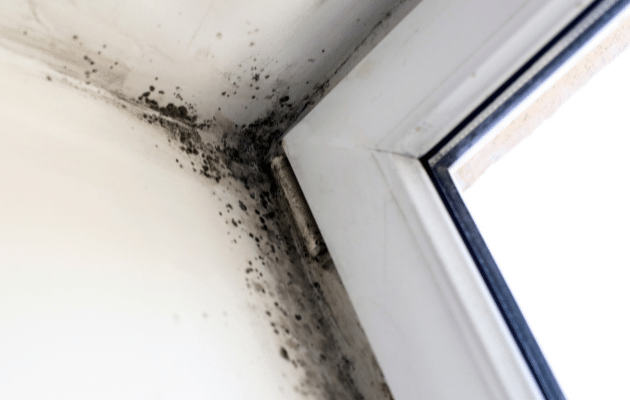
Mold From AC Condensation in Merritt Island: What Merritt Island Property Owners Should Know
In Merritt Island, your air conditioner works hard almost year-round. And while it’s great at keeping you cool, it’s also one of the most common hidden sources of mold in local homes. Not roof leaks. Not plumbing. The AC system quietly producing condensation every single day.
If that moisture isn’t managed perfectly, mold steps in fast. This article explains why AC condensation causes mold in Merritt Island homes, where it hides, how it affects indoor air quality, and what property owners should do before a “minor” AC issue turns into a major remediation bill.
Why AC Condensation Is a Big Deal in Merritt Island
Air conditioners don’t just cool air — they remove moisture. In Florida, that means gallons of water every day.
Here’s why that matters locally:
- High outdoor humidity year-round
- Long AC run times
- Warm temperatures that accelerate mold growth
- Attic and closet-installed air handlers
Every time warm, humid air hits cold AC coils, condensation forms. That water is supposed to drain away safely. When it doesn’t, mold gets a free buffet.
And unlike a burst pipe, AC condensation problems are slow and quiet, which makes them more dangerous.
How Mold Forms From AC Condensation
Mold needs only three things:
- Moisture
- Organic material
- Time
AC systems provide all three.
Condensation forms on:
- Evaporator coils
- Drain pans
- Drain lines
- Ductwork
If water:
- Pools in the drip pan
- Backs up due to a clogged drain line
- Leaks from poorly sealed ducts
- Condenses on uninsulated surfaces
…mold can begin growing within 24–48 hours.
And here’s the part many homeowners miss:
Even if the AC is “working fine,” it can still be spreading mold.
Most Common AC-Related Mold Sources in Merritt Island Homes
Clogged Condensate Drain Lines
This is the #1 cause.
Florida algae, dust, and debris clog drain lines easily. When the line backs up:
- Water overflows into the air handler
- Drip pans fill and spill
- Moisture soaks drywall, insulation, or flooring
Many homeowners don’t notice until mold or staining appears.
Overflowing or Rusted Drain Pans
Older or damaged drain pans:
- Crack
- Rust through
- Hold standing water
Standing water + darkness + dust = mold factory.
Air Handlers Installed in Closets or Attics
Common in Merritt Island homes.
When air handlers sit:
- In hall closets
- In laundry rooms
- In hot attics
Any condensation leak immediately impacts drywall, framing, or insulation. Mold often grows behind the unit, not where you can see it.
Sweating Ductwork
Cold ducts in warm, humid spaces (especially attics) can sweat.
If ducts:
- Lack insulation
- Have damaged vapor barriers
- Run through poorly ventilated attics
Condensation forms on the outside and drips onto ceilings or insulation, creating hidden mold growth.
Improper AC Sizing or Setup
An oversized AC system:
- Cools too fast
- Shuts off before removing enough humidity
Result? Cool air, high humidity, and mold-friendly conditions.
This is common in newer homes or homes with replaced systems that weren’t properly sized.
Where Mold Commonly Appears From AC Condensation
Mold from AC issues rarely starts in obvious places.
Watch these areas closely:
Around Air Handler Cabinets
- Behind access panels
- Under units
- On surrounding drywall
Inside Ductwork
- Near coils
- At low points where moisture collects
- On fiberglass-lined ducts
Ceilings and Walls Below AC Units
- Yellow or brown stains
- Bubbling paint
- Soft drywall
Attics
- Wet insulation
- Mold on trusses or roof decking near ducts
Adjacent Rooms
Airflow spreads spores well beyond the AC closet or attic.
Health Effects of Mold From AC Systems
This is where AC-related mold gets serious.
Because your HVAC system moves air throughout the house, mold spores don’t stay localized.
Common symptoms include:
- Persistent coughing
- Nasal congestion
- Throat irritation
- Sinus pressure
- Worsening asthma or allergies
People most affected:
- Children
- Older adults
- Asthma sufferers
- Anyone with allergies or respiratory sensitivity
If symptoms improve when you leave the house, that’s a major red flag pointing straight at HVAC-related mold.
Warning Signs Property Owners Should Not Ignore
AC mold problems often give subtle clues first.
Visual Clues
- Rust or standing water in the drain pan
- Staining near AC closets or ceilings
- Dark spots on vents or registers
Smell
- Musty odor when AC turns on
- Damp smell near vents or closets
- Odors stronger after long AC run times
Performance Issues
- AC runs constantly but feels clammy
- Indoor humidity stays above 55–60%
- Frequent drain line clogs
If you notice any of these, mold inspection is worth considering sooner rather than later.
Why Cleaning the AC Alone Isn’t Enough
This is a common mistake.
HVAC cleaning or drain line flushing:
- Helps prevent future issues
- Does not remove mold from soaked building materials
- Does not address hidden growth in walls or insulation
If condensation already caused moisture damage, mold remediation may be necessary alongside HVAC repairs.
Fixing the system stops the cause.
Remediation fixes the damage.
You usually need both.
What Property Owners Should Do Immediately
Step 1: Address the AC Moisture Source
- Clear and flush the condensate drain line
- Repair or replace damaged drain pans
- Insulate sweating ductwork
- Correct airflow or sizing issues
Step 2: Dry Affected Areas Quickly
- Use dehumidifiers and air movers
- Don’t rely on AC alone for drying
- Dry within 48 hours whenever possible
Step 3: Inspect for Hidden Mold
Moisture meters and infrared imaging can locate damp drywall and insulation behind walls and ceilings.
Step 4: Remove Contaminated Materials
Wet insulation, soft drywall, and moldy materials usually need removal. Drying alone won’t fix contamination.
When to Call Mold Professionals
Call professionals if:
- Mold covers more than a small surface area
- AC closets, attics, or ductwork are involved
- You smell mold but can’t see it
- Moisture issues lasted more than 24–48 hours
- Anyone in the home has respiratory conditions
Professional remediation typically includes:
- Containment
- HEPA air filtration
- Removal of contaminated materials
- Thorough drying and moisture correction
Skipping steps often means the mold comes back.
Insurance Considerations in Merritt Island
Coverage depends on the cause.
Typically:
- Sudden AC failures may be covered
- Long-term condensation issues often aren’t
- Mold coverage may be capped
Document everything:
- Photos
- HVAC service reports
- Moisture readings
- Inspection results
Early reporting helps protect your claim.
Preventing Mold From AC Condensation Long-Term
Smart prevention saves money.
- Flush AC drain lines regularly
- Schedule annual HVAC maintenance
- Install float switches to shut systems off when drains clog
- Monitor indoor humidity (target 30–50%)
- Address musty smells immediately
AC systems are supposed to remove moisture — not spread it.
Final Takeaways for Merritt Island Property Owners
AC condensation is one of the most overlooked mold sources in Merritt Island homes.
Key points:
- Mold can start within 48 hours of AC moisture issues
- Drain lines and air handlers are major risk zones
- HVAC mold affects the entire home’s air quality
- Fixing the AC alone doesn’t remove existing mold
- Early inspection prevents expensive remediation
If your AC system has ever leaked, overflowed, or smelled musty, it’s worth asking one simple question: Did everything actually dry?
If you want help figuring out where mold is most likely hiding, whether inspection makes sense, or what to do next, just let me know.
