
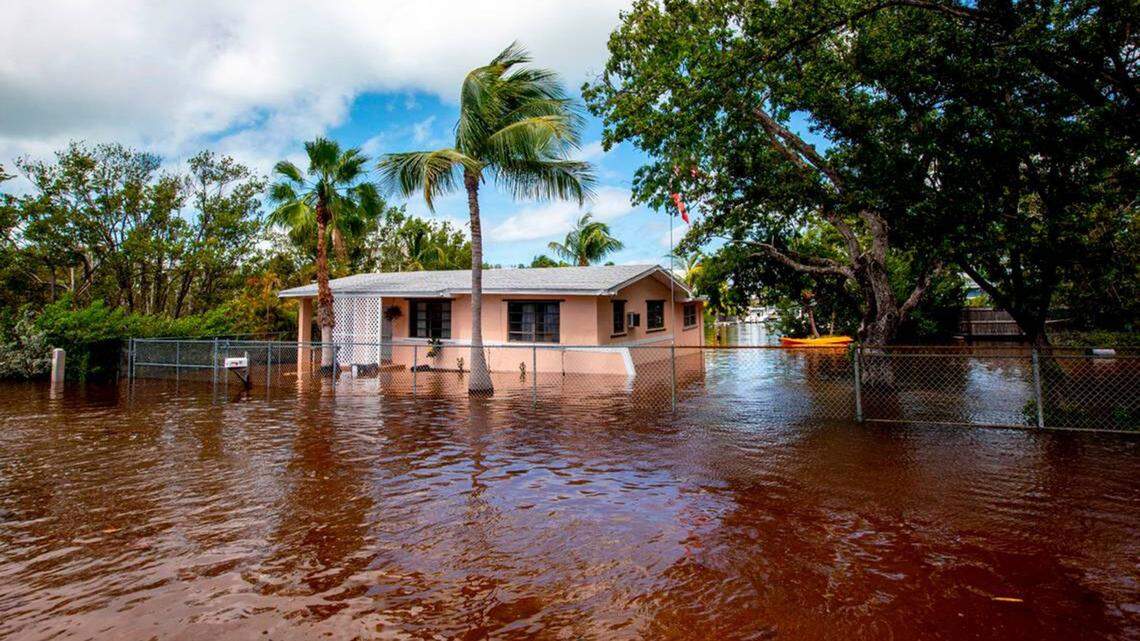
Mold During Rainy Season in Sykes Creek: What Merritt Island Property Owners Should Know
Rainy season in Sykes Creek isn’t just about afternoon downpours and tropical systems. It’s a months-long stretch where moisture becomes part of daily life. For homeowners and property managers, this is also the time when mold issues are most likely to appear—or quietly get worse.
Homes near Sykes Creek are surrounded by water, exposed to constant humidity, and often built on slab foundations. During rainy season, those factors stack up quickly. Understanding how rain, humidity, and building design interact helps property owners spot mold risks early and avoid problems that linger long after the weather clears.
Why Rainy Season Hits Sykes Creek Homes Harder
Sykes Creek runs through the heart of Merritt Island, keeping local humidity elevated even on clear days. During rainy season, that baseline moisture rises further as storms roll through almost daily.
Several local conditions amplify mold risk during this time:
- Repeated rain that prevents materials from drying
- High water tables pushing moisture upward through slabs
- Wind-driven rain entering small roof and wall gaps
- Homes staying closed up with constant AC use
- Salt air accelerating wear on seals and flashing
Rainy season doesn’t need a flood to cause mold. Persistent dampness is often enough.
How Rainy Season Moisture Turns Into Mold
Mold needs moisture, organic material, and time. Rainy season supplies all three. Even small amounts of water can become a problem when humidity stays high day after day.
Common rainy-season scenarios include:
- Minor roof leaks that only occur during heavy rain
- Window or door seepage during storms
- Damp insulation in attics that never fully dries
- Condensation forming on ducts and vents
- Moisture trapped inside wall cavities
Because rain events repeat so frequently, materials may never get a chance to dry out before the next storm arrives.
Early Warning Signs During Rainy Season
Many Sykes Creek property owners first notice mold issues through changes inside the home rather than visible growth.
Common rainy-season warning signs include:
- Musty or earthy odors after storms
- Rooms feeling damp or heavy
- Condensation on windows or vents
- New stains on ceilings or walls
- AC systems running longer than usual
These signs often indicate moisture is accumulating somewhere out of sight.
Attics: A Major Rainy Season Problem Area
Attics are especially vulnerable during rainy season. Warm, humid air enters attic spaces through vents, while rain introduces moisture through roof systems.
In Sykes Creek homes, attic mold often develops on:
- Roof decking near previous leak areas
- Damp or compressed insulation
- Wood framing exposed to humid air
- Areas around roof penetrations
Because attics are rarely inspected during rainy months, mold can spread extensively before being discovered.
HVAC Systems and Rainy Season Mold
Air conditioning systems work overtime during rainy season, removing moisture from the air. When systems are stressed or poorly draining, condensation problems increase.
Rainy-season HVAC mold risks include:
- Clogged or overwhelmed drain lines
- Condensation forming on ductwork
- Air handler closets staying damp
- Oversized systems that don’t dehumidify effectively
When mold develops near HVAC components, spores and odors can circulate throughout the home.
Slab Foundations and Ground Moisture
Most homes near Sykes Creek sit on slab foundations, and rainy season increases ground saturation. With high local water tables, moisture can migrate upward through concrete.
This often leads to:
- Elevated indoor humidity near floor level
- Mold growth starting along baseboards
- Damp flooring that never feels fully dry
- Odors that are strongest in lower rooms
Because slab moisture moves slowly, problems may persist long after rain stops.
Why Mold Often Appears After Rainy Season Ends
One of the most confusing aspects of rainy-season mold is timing. Many homeowners don’t see visible mold until weeks after heavy rains subside.
This delay happens because:
- Insulation and drywall hold moisture internally
- Warm temperatures accelerate growth after rains
- Odors and stains take time to surface
- Drying conditions improve slowly near waterways
By the time mold is visible, moisture may have been present for months.
Common Mistakes During Rainy Season
Rainy season encourages quick fixes that don’t always solve the problem.
Common mistakes include:
- Assuming odors will fade once rain stops
- Painting over water stains without drying
- Ignoring attic and HVAC checks
- Running dehumidifiers without finding moisture sources
Without addressing where water is entering or accumulating, mold issues often return year after year.
Professional Inspections During Rainy Season
Rainy season is actually one of the best times to identify moisture issues because problems are active rather than hidden.
A professional inspection may include:
- Moisture readings in walls, ceilings, and floors
- Attic inspections during humid conditions
- HVAC and drain line evaluation
- Identification of rain-driven intrusion points
Local professionals such as Mold Removal Merritt Island often find rainy-season inspections reveal issues that dry months can miss.
Practical Rainy Season Mold Prevention Tips
While rainy season can’t be avoided, mold problems often can.
Effective steps include:
- Inspecting attics after major storms
- Watching for new odors or stains
- Keeping HVAC drain lines clear
- Monitoring indoor humidity levels
- Addressing small leaks immediately
Consistency during rainy months makes a significant difference.
Post-Storm Checks Matter in Sykes Creek
After heavy rain or tropical systems, homes near Sykes Creek should be checked even if no damage is visible.
Post-storm checks should include:
- Looking for ceiling or wall discoloration
- Smelling for musty odors
- Checking air handler closets
- Inspecting exterior seals and flashing
Early detection often prevents mold from establishing itself.
Why Local Sykes Creek Experience Matters
Rainy season mold behaves differently near waterways than inland. Local experience matters because professionals familiar with Sykes Creek understand how lagoon humidity, slab foundations, and coastal airflow affect moisture movement.
That local insight leads to more accurate diagnosis and practical solutions tailored to island conditions—not generic advice.
A Calm, Practical Next Step for Property Owners
Rainy season in Sykes Creek puts every home to the test. Mold issues that show up during this time are common, but they’re also manageable when addressed early.
If musty odors, recurring humidity, or storm-related moisture concerns appear, a professional evaluation can help identify the cause and guide next steps. Staying proactive during rainy season protects the home, preserves indoor comfort, and reduces the chance of ongoing mold problems year after year.
