
Mold During Home Buying Inspections in Brevard County: What Merritt Island Property Owners Should Know
Why Mold Comes Up So Often in Brevard County Inspections
Brevard County homes live in a moisture-heavy environment.
Inspectors expect to see:
- High indoor humidity
- Condensation near AC systems
- Moisture in attics or closets
- Signs of past water intrusion
Because of that, inspectors look closely for conditions that support mold, not just visible growth. Even subtle clues can trigger notes in the report.
What Home Inspectors Can (and Can’t) Say About Mold
This part confuses a lot of buyers.
Home inspectors:
- Do not diagnose mold
- Do not identify mold types
- Do not confirm health impacts
What they do document are:
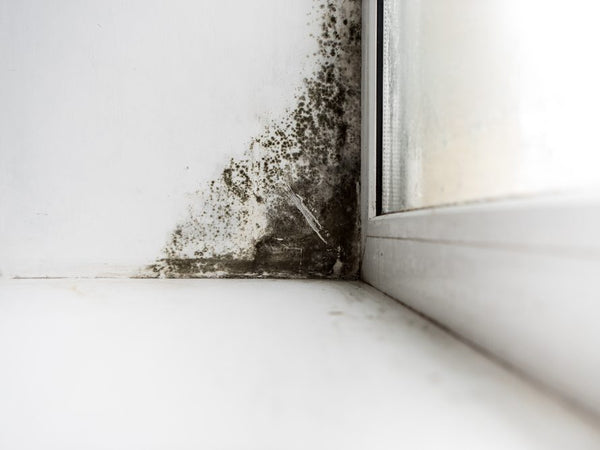
- Visible staining or suspected growth
- Musty or earthy odors
- Elevated moisture readings
- Ventilation or drainage issues
Once moisture or suspected mold appears in writing, buyers usually ask for clarification—or concessions.
Musty Odors Can Matter More Than Visible Mold
A surprising number of deals slow down because of smells, not stains.
During inspections, musty odors often suggest:
- Hidden mold behind walls
- Damp insulation
- HVAC-related moisture
- Poor airflow in enclosed rooms
Even if inspectors don’t see mold, odors alone can raise enough concern to justify further evaluation.
Common Areas Inspectors Flag in Merritt Island Homes
Certain spaces come up again and again in Brevard County reports.
Inspectors often flag:
- Attics (humidity, roof decking moisture)
- Closets on exterior walls
- Laundry rooms
- Bathrooms with poor ventilation
- AC air handlers and drain pans
- Garages attached to living spaces
These areas dry slowly in Florida and tend to trap moisture.
Moisture Readings Change the Conversation Fast
Moisture meters are a big deal during inspections.
If inspectors find:
- Elevated readings in drywall
- Damp baseboards
- Moisture near windows or doors
…buyers often assume mold exists—even if none is visible. At that point, negotiations usually shift toward evaluations, credits, or repairs.
How Mold Findings Affect Negotiations
Mold rarely stops a sale outright—but it changes leverage.
Common outcomes include:
- Requests for mold inspections or testing
- Seller-paid remediation credits
- Repairs required before closing
- Price reductions due to uncertainty
In Brevard County, uncertainty—not mold itself—is what costs sellers the most.
Why Discovering Mold Mid-Inspection Feels Stressful
Timing matters.
When mold concerns arise:
- Sellers feel rushed to respond
- Buyers worry about hidden costs
- Emotions rise during negotiations
That pressure can lead to poor decisions, quick fixes, or deals falling apart—not because the issue was severe, but because it wasn’t understood.
The Risk of “Quick Fixes” During Inspections
Trying to patch things up last-minute often backfires.
Inspectors and buyers notice:
- Fresh paint over stained areas
- Recently replaced trim without explanation
- Odors that return after AC runs
These signs suggest unresolved moisture, which invites deeper scrutiny—not reassurance.
Pre-Purchase Mold Testing: When It Makes Sense
Testing isn’t always required, but it helps when:
- Odors exist without visible mold
- Multiple rooms feel affected
- Moisture readings are elevated
- Buyers want documentation
Testing works best when paired with inspection findings—not as a standalone step.
Why Sellers Benefit From Pre-Listing Awareness
Many sellers wait until buyers raise concerns. That’s risky.
Pre-listing evaluations help sellers:
- Address issues on their timeline
- Avoid mid-escrow pressure
- Support pricing with confidence
- Reduce negotiation surprises
In Merritt Island homes, early moisture awareness often protects thousands at closing.
What Buyers Should Focus On (Not Panic About)
Not every mold-related note means trouble.
Buyers should focus on:
- Why moisture exists
- Whether conditions are ongoing
- If issues are localized or widespread
- Whether corrections are clear and reasonable
Understanding the cause matters far more than the word “mold” itself.
Why Local Experience Matters in Brevard County
Mold inspection dynamics in Florida don’t match dry climates. Brevard County homes deal with humidity, condensation, and slow drying that affect how inspection findings should be interpreted.
That’s why Mold and Duct Cleaning Experts help Merritt Island buyers and sellers understand inspection results in a local, practical context—not through fear or guesswork.
Final Thoughts
Mold during home buying inspections in Brevard County isn’t unusual—and it doesn’t have to derail a deal. Most issues come down to moisture, not neglect. When buyers and sellers understand what inspectors are actually flagging, negotiations stay calmer and smarter.
In Merritt Island’s climate, awareness beats alarm every time. The goal isn’t perfection—it’s clarity, control, and confidence at the closing table.
