
Mold Behind Walls in South Merritt Island: What Merritt Island Property Owners Should Know
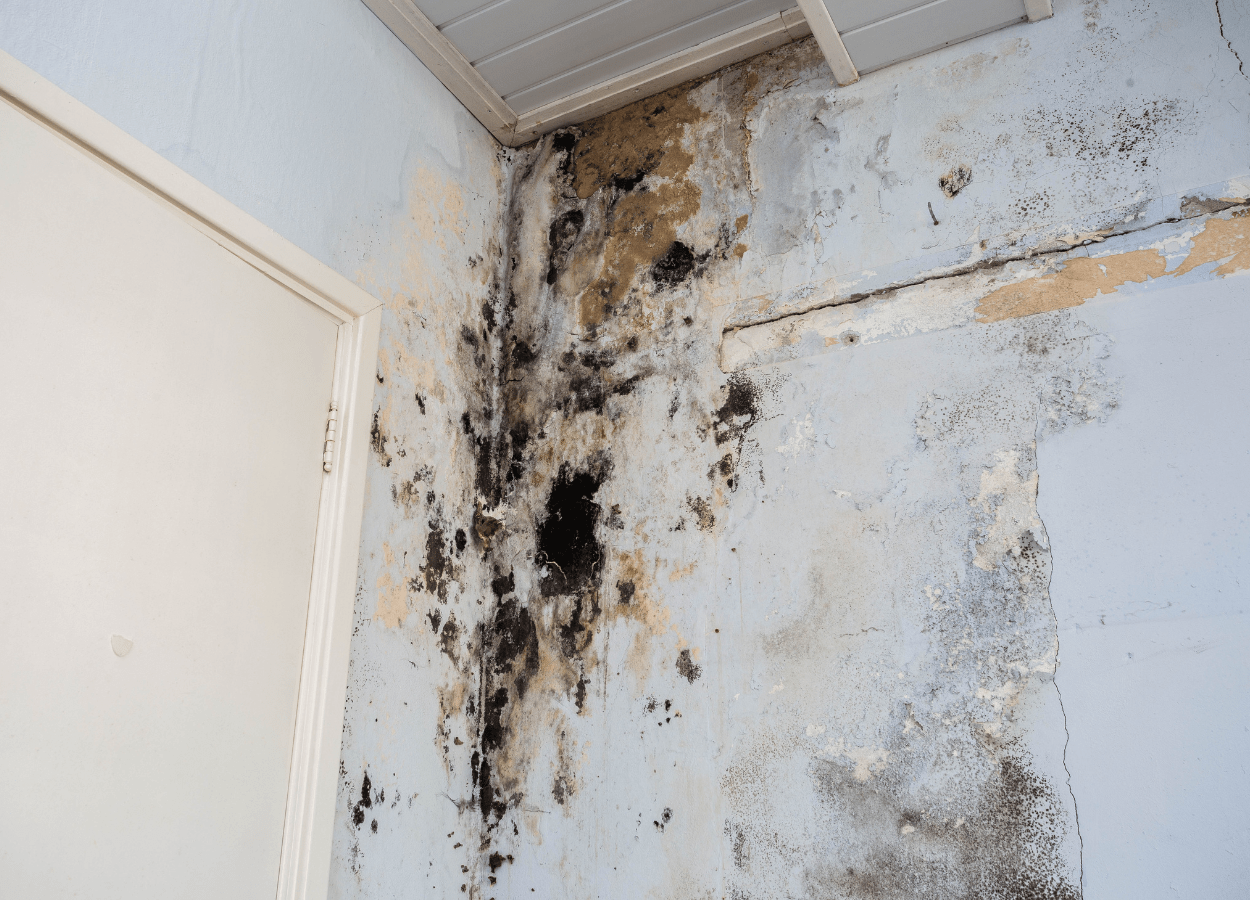
Homes in South Merritt Island benefit from coastal living, nearby waterways, and comfortable neighborhoods close to the Banana River and Indian River. However, these same coastal conditions also create moisture challenges that sometimes lead to hidden mold problems inside homes — especially mold growing behind walls.
Unlike mold that appears on ceilings or around windows, mold behind walls can remain undetected for long periods. Homeowners may notice odors or minor changes inside the home without realizing the real problem is hidden inside wall cavities.
Because wall mold often spreads quietly, understanding how it develops and what warning signs to watch for can help property owners address problems before repairs become extensive.
Understanding Mold Growth Behind Walls
Walls may look dry and solid from the outside, but inside them are materials highly vulnerable to moisture. Drywall, wooden framing, insulation, and backing materials provide perfect surfaces for mold growth if water or humidity enters.
Mold behind walls typically develops when:
- Water leaks occur
- Condensation forms inside walls
- Flood or storm moisture enters structures
- Humid air becomes trapped in cavities
Since mold only needs moisture and organic material to grow, even small leaks can support contamination over time.
In South Merritt Island homes, mold behind walls commonly forms after:
- Plumbing leaks
- Roof leaks
- Window or door water intrusion
- AC condensation problems
- Storm or hurricane damage
Because walls hide these issues, homeowners often discover mold only after damage becomes noticeable.
Why Mold Behind Walls Happens So Often in Merritt Island
Several local environmental factors make wall moisture problems common throughout Merritt Island communities.
Coastal Humidity Exposure
Homes near Sykes Creek, Banana River, and Indian River deal with high humidity year-round. Moist air can enter wall cavities through tiny openings or poorly sealed areas.
If ventilation is limited, humidity lingers inside walls, allowing mold to develop.
Frequent Storms and Heavy Rain
South Merritt Island properties often experience heavy rainfall and occasional hurricane impacts. Wind-driven rain can enter homes through small gaps around windows, doors, or roof areas.
Even minor storm intrusion can leave moisture trapped inside walls.
AC Condensation Issues
Air conditioning systems keep homes cool, but cold surfaces can cause condensation when humid air is present. Improper insulation or duct placement sometimes causes condensation inside walls.
Over time, this moisture supports mold growth.
Aging Construction and Past Repairs
Some homes in South Merritt Island neighborhoods have undergone repairs after leaks or storms. If materials were not fully dried or replaced, hidden moisture damage may still exist.
Mold can continue growing long after visible repairs appear complete.
Common Warning Signs Homeowners Notice
Because mold behind walls cannot usually be seen, homeowners often notice indirect clues first.
Common signs include:
- Persistent musty smells
- Paint bubbling or peeling
- Wall discoloration or staining
- Soft drywall areas
- Warped baseboards
- Increased indoor humidity
- Allergy irritation indoors
- Unexplained odors in certain rooms
Sometimes walls feel slightly damp or show recurring paint damage even after repainting.
These signs often indicate hidden moisture or mold issues.
Hidden Mold Areas Inside Wall Cavities
Mold rarely stays limited to one small location once moisture enters a wall.
Common hidden growth areas include:
- Behind drywall panels
- Around plumbing pipes
- Near window frames
- Beneath insulation
- Around electrical penetrations
- Inside exterior wall cavities
- Behind cabinets or appliances
Water often travels downward or sideways inside walls, spreading moisture further than expected.
Past storm or plumbing damage can leave hidden contamination behind finished surfaces.
Why DIY Mold Removal Usually Doesn’t Work
Some homeowners attempt to solve suspected wall mold by cleaning visible surfaces or repainting. Unfortunately, mold inside walls usually requires deeper correction.
Common DIY mistakes include:
- Painting over stains
- Cleaning only visible areas
- Ignoring moisture sources
- Using bleach without removing damaged materials
- Not fully drying wet areas
Surface treatments rarely eliminate mold growing behind walls. If moisture remains, mold typically returns.
Opening walls without proper containment can also spread spores throughout the home.
How Professional Mold Inspection Works
Professional inspections focus on locating moisture sources and determining whether mold exists inside walls.
A typical inspection may include:
- Visual assessment of affected areas
- Moisture meter readings through drywall
- Thermal imaging to detect hidden moisture
- Inspection of plumbing and roofing components
- HVAC system evaluation
- Humidity measurements
If needed, small inspection openings may be made to examine hidden spaces safely.
Air or surface sampling may sometimes help determine contamination levels.
Inspection findings are explained clearly so homeowners understand corrective options.
Proper Mold Remediation Behind Walls
Effective remediation involves both removing contamination and correcting moisture conditions.
Professional remediation may include:
- Isolating affected areas
- Removing contaminated drywall or insulation
- Cleaning and treating framing materials
- Repairing leaks or moisture sources
- Thorough drying of affected spaces
- Rebuilding areas with clean materials
- Preventative moisture improvements
Companies like Mold Removal Merritt Island emphasize correcting the root cause so mold does not return.
The goal is restoring healthy indoor conditions while preventing future issues.
Preventing Mold Behind Walls in Merritt Island Homes
While coastal humidity cannot be eliminated, homeowners can reduce risk through maintenance and inspections.
Helpful prevention steps include:
- Repair plumbing leaks quickly
- Inspect homes after storms
- Maintain roof and window seals
- Monitor indoor humidity levels
- Ensure proper AC system maintenance
- Seal exterior gaps around windows and doors
- Address condensation issues promptly
Homes near waterways often benefit from periodic professional inspections due to increased moisture exposure.
Why Local Merritt Island Experience Matters
Moisture behavior in Merritt Island homes differs from inland regions. Local professionals understand:
- Coastal humidity patterns
- Common storm-related damage
- Island construction styles
- AC system challenges
- Typical moisture entry points
Local knowledge allows faster identification of causes and more effective long-term solutions.
Homeowners benefit from professionals familiar with South Merritt Island neighborhoods and building styles.
A Calm Next Step for Property Owners
If your home has persistent musty odors, recurring paint damage, or unexplained wall moisture, an inspection can help determine whether hidden mold exists.
Early evaluation helps prevent larger repairs and protects indoor comfort.
A professional inspection provides clarity, allowing homeowners to make informed decisions without unnecessary stress.
Across South Merritt Island communities, addressing hidden moisture early often prevents more serious mold and structural problems later.
Image Generation Prompts
- Mold growth visible behind opened drywall in a Florida coastal home, realistic lighting, clean inspection environment, no people, no logos.
- Wall cavity showing mold contamination after plumbing leak in coastal residential home, insulation and framing visible, uncluttered scene, no branding.
- Interior wall opened during mold remediation revealing moisture damage and mold growth in Merritt Island style home, professional inspection view, no people or text.
