
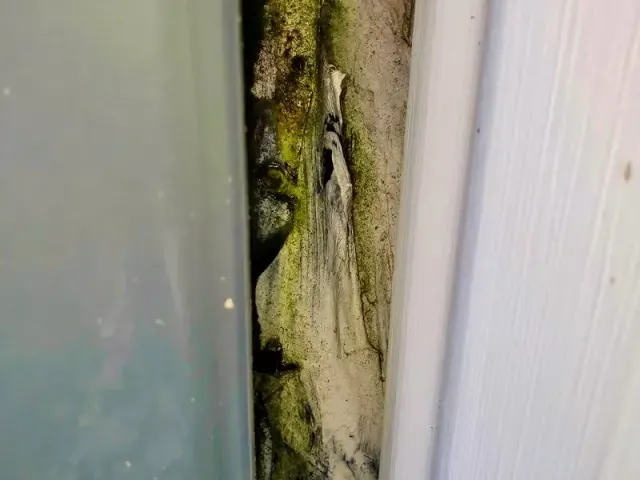
Mold and Indoor Air Quality in Sykes Creek: What Merritt Island Property Owners Should Know
Homes near Sykes Creek offer waterfront views and cooling breezes, but they also face ongoing moisture challenges that directly affect indoor air quality. With the Banana River and Indian River nearby, humidity remains high throughout much of the year. Even well-maintained properties can experience air quality issues when moisture control slips, allowing mold to grow and spread unseen.
For property owners in Sykes Creek, indoor air quality problems often develop quietly. The air may feel heavy, stale, or musty long before visible mold appears. Understanding how mold impacts indoor air quality in this part of Merritt Island helps homeowners and property managers recognize early warning signs and take practical steps to protect their properties.
Why Indoor Air Quality Is a Concern in Sykes Creek Homes
Indoor air quality is closely tied to moisture levels. In coastal areas like Sykes Creek, moisture is constantly introduced through humid outdoor air, storms, and everyday activities such as cooking and bathing.
When indoor spaces cannot effectively remove that moisture, mold can grow on damp materials. As mold grows, it releases microscopic spores and byproducts into the air. These particles circulate through the home, affecting overall air quality even when growth is hidden behind walls or inside systems.
Because Sykes Creek homes often rely heavily on air conditioning, any issue within the HVAC system can quickly impact the air throughout the entire house.
How Mold Affects Indoor Air Quality
Mold affects indoor air quality by releasing spores and microbial compounds into the air. These particles are invisible but can travel easily through airflow and ventilation systems.
In Sykes Creek homes, mold-related air quality issues often originate in hidden areas such as air handlers, ductwork, attics, or wall cavities. Once airborne, these contaminants can spread far beyond the original growth site.
Poor air quality caused by mold does not always involve visible growth. Often, the first indicators are changes in how the air smells or feels.
Common Air Quality Complaints Linked to Mold
Property owners near Sykes Creek frequently report similar indoor air quality concerns when mold is present.
These include musty or earthy odors that persist despite cleaning, air that feels damp or stale, and odors that worsen after rain or during humid weather. Some notice that certain rooms feel heavier or less comfortable than others.
These symptoms often point to mold growth hidden behind surfaces or within HVAC systems rather than obvious surface mold.
HVAC Systems and Mold-Related Air Quality Issues
HVAC systems play a central role in indoor air quality. In coastal environments, condensation inside air handlers and ductwork is common if humidity is not well controlled.
Salt air exposure near Sykes Creek can accelerate corrosion and wear in HVAC components, increasing the likelihood of moisture buildup. When mold grows inside these systems, spores can be distributed throughout the home every time the system runs.
Air quality problems that worsen when the AC is operating often indicate mold or moisture issues within the HVAC system.
Attics as a Source of Airborne Mold
Attics are one of the most common hidden sources of mold affecting indoor air quality. Warm, humid air rises into attic spaces through small gaps and penetrations.
If ventilation is inadequate, moisture accumulates and mold can grow on roof decking and framing. Odors and airborne particles from attic mold can migrate downward into living spaces through ceiling fixtures, duct chases, and insulation gaps.
In Sykes Creek homes, attic mold often develops after long humid seasons or following storm-related moisture intrusion.
Flooring, Walls, and Hidden Air Quality Issues
Mold growing behind walls or under flooring can significantly affect indoor air quality. These hidden areas often trap moisture for extended periods.
In slab foundation homes common near Sykes Creek, moisture can migrate upward from the ground after heavy rain. Mold beneath flooring materials releases odors and airborne particles that seep into living spaces.
Because the growth is concealed, property owners may focus on air quality symptoms without realizing mold is the underlying cause.
Why Air Quality Issues Often Worsen After Rain
Many Sykes Creek property owners notice indoor air quality problems intensify after storms. Increased humidity and new moisture intrusion make existing mold more active.
Rain can introduce moisture through small roof or exterior vulnerabilities, while elevated outdoor humidity raises indoor moisture levels. Mold responds quickly to these conditions, increasing the release of airborne particles and odors.
This pattern is a strong indicator that mold is present somewhere in the structure.
Why Air Fresheners and Filters Don’t Solve the Problem
Air fresheners, candles, and basic filters may mask odors temporarily, but they do not address the source of poor air quality. Mold continues to grow and release contaminants as long as moisture is present.
Even upgraded HVAC filters cannot resolve air quality issues if mold is actively growing inside the home. Filtration helps manage particles but does not stop their source.
Lasting improvement requires identifying and correcting moisture and mold conditions.
How Professional Inspections Evaluate Air Quality Issues
Professional mold inspections focus on understanding how air and moisture move through a home. Inspectors evaluate HVAC systems, attics, wall cavities, and flooring systems while measuring moisture levels.
In Sykes Creek homes, inspections often reveal combinations of humidity issues, condensation problems, and hidden growth. Air or surface sampling may be used when needed to confirm elevated mold-related particles.
This approach helps connect indoor air quality symptoms to their true source rather than treating them as isolated problems.
Mold Removal Merritt Island works with local property owners to identify mold-related air quality issues using methods tailored to coastal conditions.
Improving Indoor Air Quality by Controlling Moisture
The most effective way to improve indoor air quality is to control moisture. Proper HVAC maintenance ensures systems dehumidify effectively. Clear drain lines, clean coils, and intact insulation all reduce moisture buildup.
Using bathroom and kitchen ventilation consistently prevents moisture from spreading. Maintaining proper attic ventilation helps keep moisture from accumulating above living spaces.
In Sykes Creek homes, these steps significantly reduce mold-related air quality problems.
Preventive Habits for Healthier Indoor Air
Routine inspections make a major difference. Checking air handler closets, attics, and areas near exterior walls helps catch moisture issues early.
Monitoring indoor humidity provides insight into whether moisture control is adequate. Addressing small leaks promptly prevents mold from establishing itself.
For properties near waterways, prevention is an ongoing process rather than a one-time fix.
Why Local Experience Matters
Indoor air quality challenges in Sykes Creek are shaped by coastal humidity, salt air exposure, and building styles common to Merritt Island. Solutions that work inland may fall short here.
Local experience means understanding where mold most often affects air quality, how HVAC systems behave in this environment, and why certain problems recur if moisture control is incomplete.
This knowledge leads to more accurate diagnosis and effective long-term solutions.
A Practical Approach to Mold and Air Quality
Poor indoor air quality is often the first sign that mold is present somewhere in a home. Treating it as an air issue alone rarely solves the problem.
A calm, informed approach focuses on moisture control, inspection, and proper remediation when needed. Early action limits disruption and protects both the building and indoor environment.
When air quality concerns persist or follow predictable patterns, professional evaluation provides clarity. Mold Removal Merritt Island is familiar with the specific mold and air quality challenges faced by homes near Sykes Creek and throughout Merritt Island, offering guidance grounded in local conditions.
