
Mold and Indoor Air Quality in Banana River: What Merritt Island Property Owners Should Know
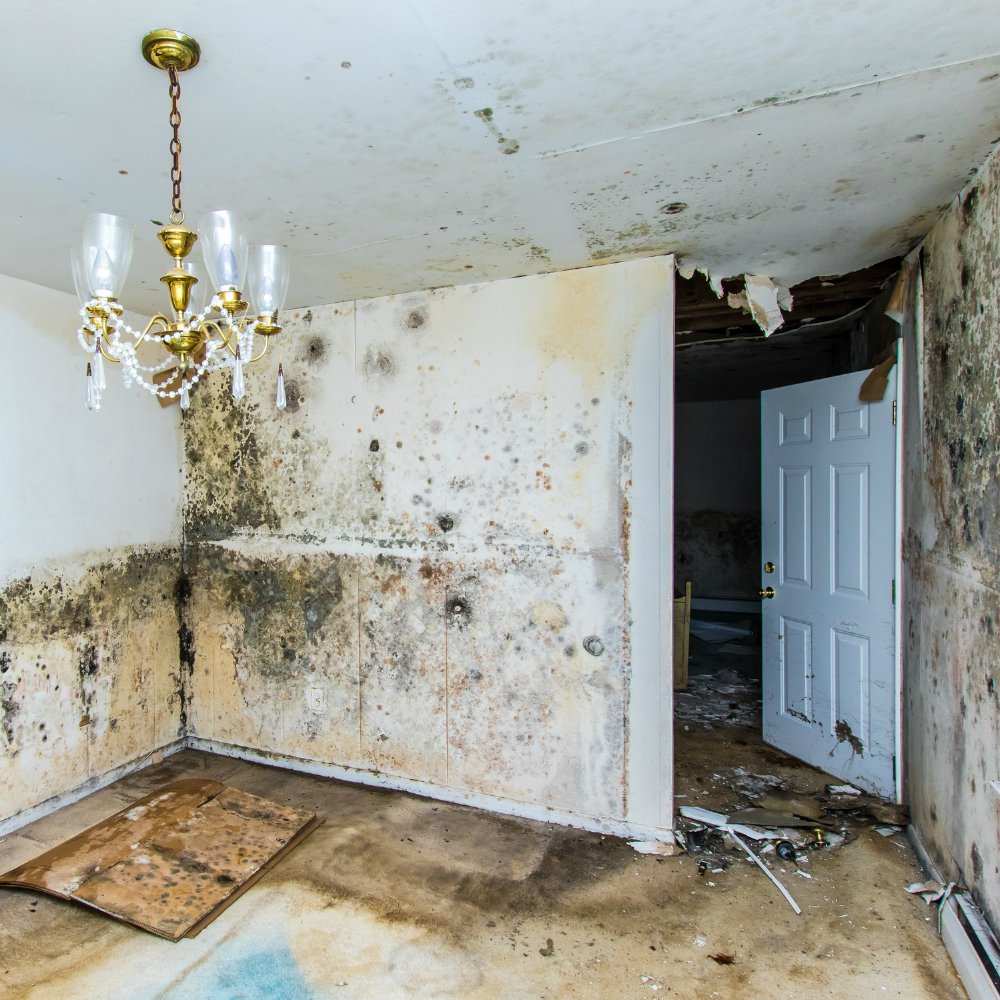
Living along the Banana River offers open views, steady breezes, and a relaxed coastal lifestyle—but it also brings unique challenges for indoor air quality. In Merritt Island homes near the river, mold and moisture are closely tied to the air you breathe. Even when mold isn’t visible, it can still affect indoor conditions through spores, odors, and moisture-related airflow issues.
Understanding how mold impacts indoor air quality—and why Banana River homes are especially vulnerable—helps property owners recognize problems early and protect both comfort and the long-term condition of the home.
How Mold Affects Indoor Air Quality
Indoor air quality is influenced by what’s circulating through your living space. When mold is present, even in hidden areas, it can release microscopic spores and byproducts into the air.
In Banana River homes, mold-related air quality issues often show up as:
- Persistent musty or stale odors
- Air that feels heavy or damp
- Reduced comfort despite AC use
- Odors that worsen when the HVAC system runs
- A noticeable difference in air quality between rooms
These issues don’t require visible mold to exist—hidden growth can still affect the air throughout the home.
Why Banana River Homes Face Higher Air Quality Risks
Several local conditions make mold-related air quality issues more common near the Banana River.
Constant coastal humidity
High humidity allows moisture to remain suspended in the air and settle on building materials, feeding mold growth.
Surrounding waterways
Proximity to the river keeps ambient moisture levels elevated day and night.
Heavy HVAC use
Air conditioning runs frequently, creating condensation inside air handlers and ductwork.
Slab-on-grade construction
Moisture can migrate upward through concrete slabs and enter indoor air.
Salt air influence
Salt particles attract moisture, keeping surfaces damp longer and increasing condensation.
These factors allow mold to affect air quality even when homes appear clean and well-maintained.
Common Signs Mold Is Affecting Indoor Air
Indoor air quality problems linked to mold often develop gradually.
Property owners frequently notice:
- Musty odors that return after cleaning
- Air that feels damp or stale
- Odors strongest near vents or returns
- Condensation around registers or windows
- Uneven comfort between rooms
- Persistent humidity indoors
In Banana River homes, these signs often become more noticeable during humid months or after storms.
Hidden Mold Sources That Impact Air Quality
Mold doesn’t need to be in plain sight to affect the air.
HVAC systems
Condensation inside air handlers, coils, and ductwork can circulate mold spores throughout the home.
Behind walls and ceilings
Moisture trapped in cavities allows mold to grow and release spores into living areas.
Under flooring
Moisture beneath tile, laminate, or vinyl can contribute to ongoing air quality issues.
Attics
Mold on roof decking can affect air quality as air moves between attic and living spaces.
Closets and cabinets
Enclosed spaces trap humidity and often become mold reservoirs.
Because air moves freely through a home, mold in one area can impact the entire indoor environment.
Why Air Fresheners and Filters Don’t Fix the Problem
Many homeowners try to improve air quality without addressing moisture.
Air fresheners mask odors
They don’t remove the source of the smell.
Standard HVAC filters aren’t enough
Filters help with dust but don’t resolve moisture or hidden mold growth.
Dehumidifiers alone have limits
They help reduce air moisture but don’t address mold inside walls or systems.
Cleaning visible areas misses hidden growth
Air quality issues persist when moisture remains elsewhere.
True improvement comes from addressing moisture and mold together.
Professional Mold and Air Quality Inspection Explained
A professional inspection focuses on both mold and how air moves through the home.
Visual assessment
Inspectors evaluate visible areas and known moisture-prone zones.
Moisture detection tools
Meters and infrared imaging locate damp areas behind walls, floors, and ceilings.
HVAC evaluation
Air handlers, ducts, and condensate systems are checked for moisture issues.
Targeted sampling when appropriate
Air or surface samples may help confirm mold presence and extent.
Clear explanations
Findings are explained so property owners understand how mold is affecting indoor air.
This approach identifies root causes rather than just symptoms.
Proper Mold Remediation and Air Quality Improvement
Improving indoor air quality requires more than surface cleaning.
Containment
Affected areas are isolated to prevent spore spread.
Selective material removal
Damaged materials are removed where necessary.
Thorough cleaning
Surfaces and HVAC components are cleaned appropriately.
Moisture correction
Leaks, condensation, and humidity issues are addressed.
Prevention planning
Steps are recommended to reduce future mold and air quality problems.
Mold Removal Merritt Island approaches indoor air quality concerns with solutions tailored to Banana River homes and coastal conditions.
How Property Owners Can Protect Indoor Air Quality
Preventive habits play a major role in air quality.
- Monitor indoor humidity levels
- Maintain HVAC systems and condensate lines
- Use exhaust fans in bathrooms and kitchens
- Improve airflow in closets and storage areas
- Inspect after storms or heavy rain
- Address leaks immediately
- Avoid blocking air returns and vents
Consistent moisture control helps keep indoor air clean and comfortable.
Why Local Banana River Experience Matters
Indoor air quality issues near the Banana River differ from inland areas. Local experience means understanding:
- Coastal humidity behavior
- Salt air condensation effects
- Slab moisture migration
- Storm-driven moisture intrusion
- HVAC performance in waterfront homes
This knowledge allows for faster diagnosis and more effective solutions.
A Practical Next Step for Property Owners
If your Banana River home has persistent odors, damp air, or comfort issues, it’s worth having the situation evaluated. Mold-related air quality problems rarely resolve on their own in coastal environments and often worsen over time.
A professional inspection can identify whether mold is affecting your indoor air, explain where moisture is coming from, and outline practical steps to improve conditions—without pressure or alarm. For Merritt Island property owners, addressing mold and indoor air quality together is one of the most effective ways to protect comfort, health, and long-term property value.
