
Mold and Allergies in Sykes Creek: What Merritt Island Property Owners Should Know
Mold and allergy symptoms are closely connected in Sykes Creek, where waterfront humidity, salt air, and warm temperatures create ideal conditions for mold growth year-round. Many property owners are surprised to learn that allergy flare-ups often appear long before visible mold is discovered—especially in coastal homes.
For Merritt Island property owners, understanding how mold contributes to allergies is essential for protecting occupant health, preventing complaints, and avoiding costly remediation later.
🧠 Why Mold Triggers Allergies in Sykes Creek Homes
Mold reproduces by releasing microscopic spores into the air. In Sykes Creek’s coastal climate, these spores spread easily and remain airborne longer.
🌊 Coastal Humidity Makes Mold Aggressive
High humidity allows mold to grow continuously—not just after leaks or floods. Moisture builds up inside:
- Walls and ceilings
- HVAC systems and ductwork
- Closets and enclosed rooms
These hidden areas quietly release allergens into the indoor air.
❄️ HVAC Systems Circulate Allergens
When mold grows inside air handlers, drain pans, or ducts, the HVAC system can distribute mold spores throughout the home—causing allergy symptoms even in rooms with no visible mold.
📈 Common Allergy Symptoms Linked to Mold
Mold-related allergies often look like seasonal allergies—but don’t go away.
😷 Typical Symptoms Include:
- Sneezing or runny nose
- Nasal congestion
- Itchy eyes, nose, or throat
- Chronic coughing
- Headaches or fatigue
- Asthma flare-ups
A key red flag: symptoms worsen indoors and improve when leaving the home.
🔍 Where Mold Commonly Affects Allergies in Sykes Creek Homes
Mold that triggers allergies is usually hidden.
High-risk areas include:
- HVAC systems and ductwork
- Behind drywall and baseboards
- Under flooring in slab homes
- Bathrooms and kitchens
- Attics and crawl spaces
- Closets with limited airflow
Because these areas aren’t visible, allergy symptoms may be the first warning sign.
🧪 How Mold-Related Allergy Issues Are Identified
🔎 Mold & Moisture Inspection
A professional inspection may include:
- Moisture readings in walls and floors
- HVAC system evaluation
- Identification of condensation and humidity patterns
🧫 Mold & Air Testing
Testing may involve:
- Air sampling to measure airborne mold spores
- Comparison of indoor vs. outdoor air
This helps confirm whether mold is contributing to allergy symptoms.
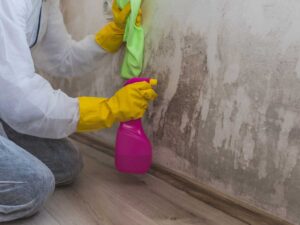
🧼 Why Cleaning Alone Doesn’t Solve Allergy Problems
Surface cleaning may remove visible mold—but it doesn’t address:
- Hidden growth
- Airborne spores
- Moisture sources
As long as moisture remains, allergens continue circulating.
🛠 Reducing Mold-Related Allergies in Sykes Creek Homes
✅ Control Indoor Humidity
- Maintain 30–50% indoor humidity
- Use dehumidifiers during humid months
- Monitor levels with digital hygrometers
✅ Maintain HVAC Systems
- Replace filters regularly (consider HEPA-rated filters)
- Clean condensate drain lines and pans
- Address mold inside air handlers promptly
✅ Improve Ventilation
- Vent bathrooms and kitchens outdoors
- Avoid blocking air returns
- Ensure attic ventilation is adequate
✅ Address Mold Properly
Professional remediation may be needed when mold is hidden or widespread. This prevents spores from continuing to affect indoor air.
🧪 Mold Allergies vs. Other Allergens
- Mold allergies are driven by moisture and humidity
- Dust or pollen allergies often vary seasonally
If symptoms persist year-round and worsen indoors, mold is often involved.
🧑🔧 Final Thoughts: Allergies Are Often the First Warning
In Sykes Creek, mold-related allergies are common—and frequently misunderstood.
For Merritt Island property owners, remember:
- Mold spores directly affect indoor air quality
- Allergy symptoms often appear before visible mold
- HVAC systems can spread allergens throughout the home
- Humidity control is the most effective prevention
Addressing moisture early protects both health and property value—and helps keep small problems from becoming major ones.
