
Mold After Water Damage in Merritt Island: What Merritt Island Property Owners Should Know
Water damage is one of the most common causes of mold growth in Merritt Island homes. Whether the source is a roof leak, plumbing issue, storm-related flooding, or air-conditioning condensation, moisture can remain trapped inside building materials long after surfaces appear dry. In the warm, humid climate of Brevard County, mold can begin developing within a short time when moisture is not fully removed.
Understanding why mold appears after water damage—and how to handle it properly—helps homeowners protect their homes, indoor air quality, and long-term property value.
Why Mold Often Follows Water Damage
Mold needs only three things to grow:
- Moisture
- Organic material such as drywall, wood, or dust
- Warm temperatures
All three are common in Florida homes. After a leak or flood, porous materials like drywall, insulation, and carpet can retain moisture even when surfaces feel dry. If those materials remain damp, mold may begin developing in as little as a few days.
In Merritt Island, the naturally high humidity slows drying, increasing the likelihood of mold after water damage.
Common Causes of Water Damage in Merritt Island Homes
Water damage can occur in many ways, but several causes are especially common in coastal Brevard County.
Roof leaks after storms
Heavy rain and wind can damage shingles or flashing, allowing water into attics and ceilings.
Plumbing leaks
Leaks under sinks, behind walls, or around appliances can go unnoticed for long periods.
Air-conditioning condensation
Drain line clogs or insulation problems can allow moisture to collect near air handlers and ducts.
Flooding or storm surge
Homes near canals, lagoons, or low-lying areas may experience water intrusion during severe weather.
Because some of these problems develop slowly, mold may begin growing before the water issue is discovered.
Early Signs Mold May Be Developing
After water damage, homeowners should watch for warning signs that mold may be forming.
Common indicators include:
- Musty or damp odors
- Water stains on ceilings or walls
- Peeling paint or bubbling drywall
- Dark spotting or discoloration
- Persistent humidity indoors


These signs often appear days or weeks after the original leak or flood.
Where Mold Often Appears After Water Damage
Mold frequently develops in areas where water collects or airflow is limited.
Typical locations include:
- Behind drywall after leaks
- Under flooring or carpeting
- Inside attic insulation
- Around HVAC systems
- Inside cabinets or closets
Because these areas are not always visible, mold may spread before it is noticed.
Hidden Mold Problems After Leaks or Flooding
One of the biggest challenges with water damage is that moisture can remain trapped in concealed areas.
Common hidden problem areas include:
- Wall cavities behind baseboards
- Subfloors beneath tile or laminate
- Insulation inside exterior walls
- Attic spaces above stained ceilings


Without proper drying and inspection, mold can continue growing in these areas long after the original water damage occurred.
Why Drying Alone Is Sometimes Not Enough
Many homeowners assume that once a wet area dries, the problem is resolved. However, materials like drywall and insulation can retain moisture internally even when surfaces feel dry.
If drying is incomplete:
- Mold may begin growing inside materials
- Odors may appear weeks later
- Hidden damage may continue spreading
Proper moisture detection is often necessary to confirm that materials are fully dry.
How Professional Mold Inspection Helps After Water Damage
After significant water damage, a mold inspection can help determine whether mold has begun developing.
A typical inspection may include:
- Visual evaluation of affected areas
- Moisture detection in walls and flooring
- Inspection of HVAC systems and attics
- Identification of hidden damp materials
Professionals familiar with local conditions, such as Mold Removal Merritt Island, understand how humidity and storms affect homes in this area and can help identify problems accurately.
How Mold Remediation Works After Water Damage
If mold is confirmed, remediation focuses on safe removal and prevention of recurrence.
Typical steps include:
- Containment of affected areas
- Air filtration to reduce airborne particles
- Removal of contaminated materials when necessary
- Thorough drying and cleaning
- Repairing leaks or correcting moisture issues
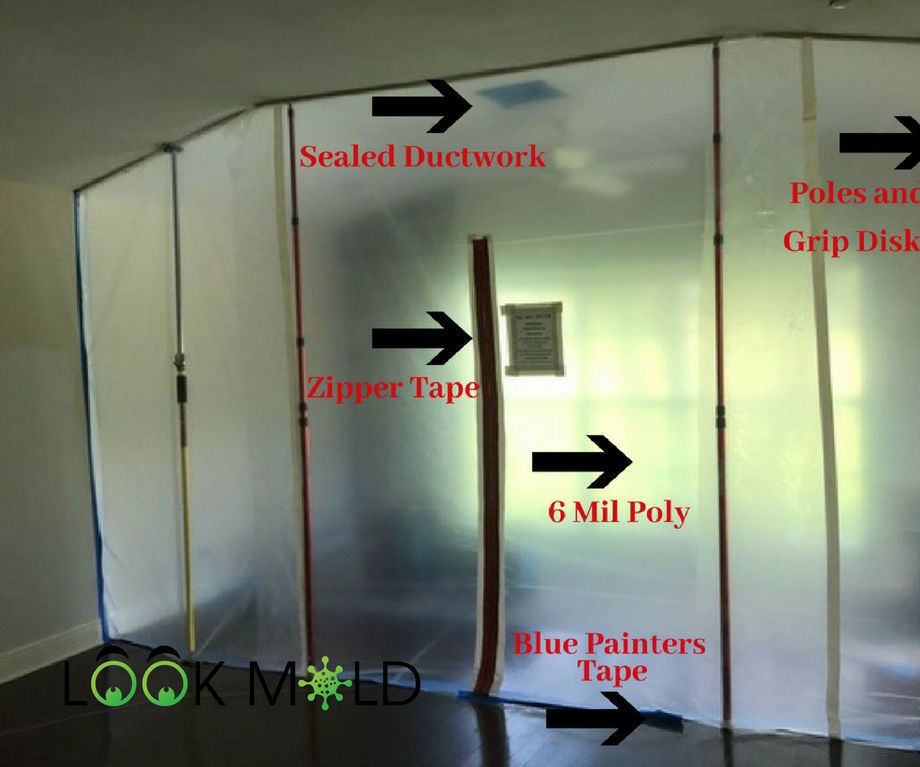
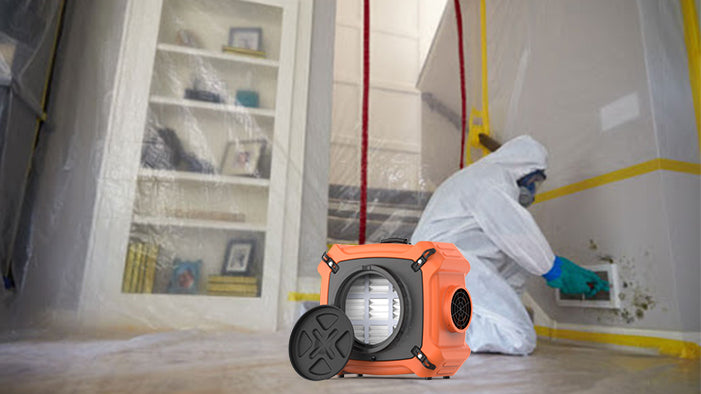

Addressing the moisture source is the most important step to prevent mold from returning.
Why DIY Cleanup Often Misses Hidden Mold
Cleaning visible mold or drying surfaces may improve appearance temporarily, but it often does not address hidden moisture.
DIY cleanup may fall short because:
- Moisture remains inside walls or flooring
- Mold behind surfaces is not removed
- Household fans cannot dry deep materials
- Spores may spread during cleaning
Professional remediation focuses on both removal and prevention, which is why it is often more effective.
Preventing Mold After Water Damage
Quick action after water damage can significantly reduce mold risks.
Helpful steps include:
- Drying wet areas as soon as possible
- Using dehumidifiers to reduce humidity
- Removing wet carpeting or materials promptly
- Inspecting hidden areas for moisture
- Repairing leaks immediately
Routine inspections after storms or plumbing problems can help catch moisture before mold develops.
Why Local Experience Matters in Merritt Island
Mold behavior in coastal Brevard County differs from inland regions. Homes in Merritt Island often experience:
- Higher baseline humidity
- Salt air exposure affecting building materials
- Continuous AC operation
- Storm-related moisture intrusion
Professionals familiar with these local conditions can diagnose moisture problems more quickly and recommend solutions suited to coastal homes. Local experience often helps prevent recurring mold issues.
A Calm, Practical Next Step
Mold after water damage is common in humid climates, but most problems can be managed effectively when addressed early. Quick drying, proper inspections, and timely remediation help prevent larger repairs and protect indoor conditions.
If you notice musty odors, stains, or persistent humidity after a leak or storm, having the property evaluated can help determine whether mold may be developing and what steps may be needed.
For homeowners in Merritt Island and throughout Brevard County, staying proactive after water damage remains one of the most reliable ways to keep homes dry, comfortable, and well maintained year-round.
