
 Mold After Flooding in North Merritt Island: What Merritt Island Property Owners Should Know
Flooding is one of the most serious moisture events a home can experience. In North Merritt Island, flooding may occur after heavy rain, tropical storms, hurricanes, or rising water levels in canals and low-lying areas. Even when floodwaters recede quickly, moisture can remain trapped inside walls, flooring, and insulation—creating ideal conditions for mold growth.
Understanding why mold develops after flooding and how to respond properly helps homeowners protect their property and prevent long-term damage.
Why Mold Develops After Flooding
Mold needs only three basic conditions to grow:
- Moisture
- Organic materials such as drywall, wood, or dust
- Warm temperatures
Flooding provides all three. When water saturates building materials, those materials may remain damp for days or weeks, especially in Florida’s humid climate. Even if surfaces appear dry, hidden moisture can remain deep inside materials.
In North Merritt Island, coastal humidity slows the drying process, increasing the likelihood that mold will develop if drying is not thorough.
Common Causes of Flooding in North Merritt Island
Flooding can happen in several ways, particularly in coastal or low-lying areas.
Heavy rain and tropical storms
Intense rainfall can overwhelm drainage systems and cause water intrusion.
Storm surge and rising waterways
Homes near canals, marshes, or lagoons may experience elevated water levels during severe weather.
Poor drainage or grading issues
Water may collect around foundations if drainage systems are not effective.
Plumbing failures during storms
Sump pump or pipe failures can allow water to accumulate indoors.
Because flooding often affects multiple areas of a home, mold risks may be widespread if moisture is not removed quickly.
Early Signs Mold May Be Developing After Flooding
Mold does not always appear immediately. In many cases, warning signs begin appearing days or weeks after the flood event.
Common indicators include:
- Musty or damp odors
- Water stains on walls or ceilings
- Peeling paint or bubbling drywall
- Dark spotting or discoloration
- Persistent humidity indoors


These signs often indicate that moisture remained in materials long enough for mold to begin developing.
Where Mold Commonly Appears After Flooding
Flooding can affect both visible and hidden areas of a home. Mold often develops in:
- Drywall and wall cavities
- Flooring and subfloors
- Baseboards and trim
- Cabinets and closets
- Insulation in walls or attics
Because floodwater may travel under flooring and behind walls, mold may spread in areas that are not immediately visible.
Hidden Mold Problems After Flooding
One of the most challenging aspects of flooding is the amount of hidden moisture it leaves behind.
Common hidden problem areas include:
- Inside wall cavities behind baseboards
- Beneath tile, laminate, or vinyl flooring
- Inside insulation
- Around HVAC systems and ductwork


These areas can remain damp long after surfaces appear dry, allowing mold to grow unnoticed.
Why Quick Drying Is Critical
Time is one of the most important factors after flooding. Mold can begin developing within a short period when materials remain wet.
Effective drying usually involves:
- Removing standing water
- Increasing airflow
- Using dehumidifiers
- Removing heavily saturated materials
Drying only the surface is often not enough. Materials must be dried completely to prevent mold growth.
Why Floodwater Increases Mold Risk
Floodwater often contains contaminants and debris, which can accelerate mold growth. Porous materials exposed to floodwater may absorb moisture deeply, making thorough drying more difficult.
Materials commonly affected include:
- Drywall
- Carpet and padding
- Insulation
- Pressed wood products
In some cases, removing saturated materials is the most effective way to prevent mold.
How Professional Mold Inspection Helps After Flooding
After a flooding event, a professional inspection can help determine whether mold has begun developing and whether hidden moisture remains.
A typical inspection may include:
- Visual evaluation of affected areas
- Moisture detection in walls and flooring
- Inspection of attics and HVAC systems
- Identification of hidden damp materials
Professionals familiar with local conditions, such as Mold Removal Merritt Island, understand how flooding and coastal humidity affect homes in North Merritt Island and can help identify problems accurately.
How Mold Remediation Works After Flooding
If mold is present, remediation focuses on safe removal and preventing recurrence.
Typical steps include:
- Containment of affected areas
- Air filtration to remove airborne particles
- Removal of contaminated materials when necessary
- Thorough drying and cleaning
- Repairing leaks or correcting moisture issues
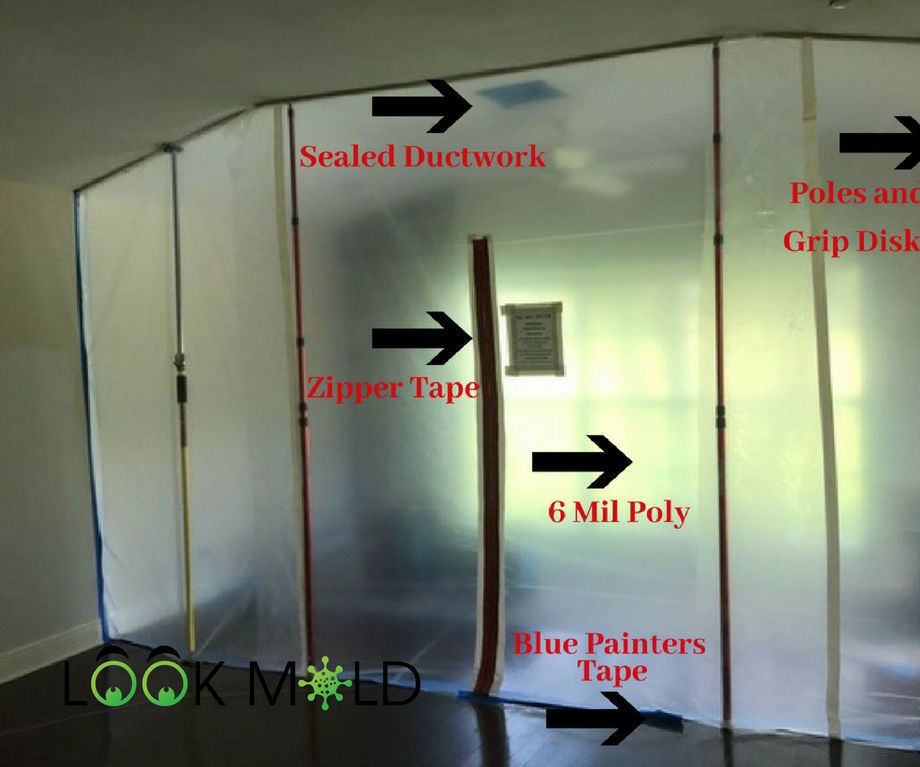
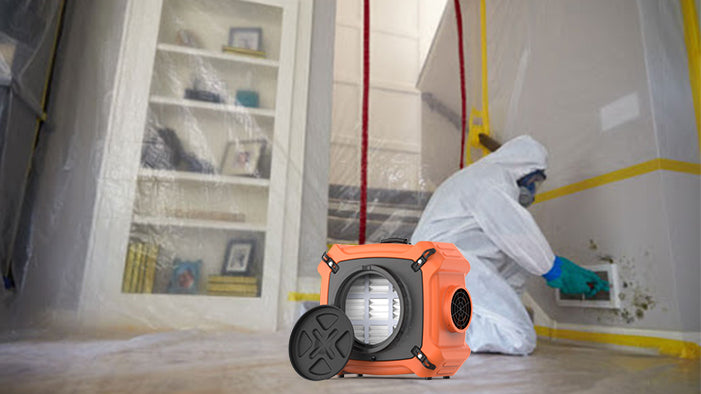

Correcting moisture sources and ensuring materials are fully dry is essential to prevent mold from returning.
Why DIY Flood Cleanup Often Misses Mold Risks
Many homeowners clean visible water damage but may not detect hidden moisture.
DIY cleanup may fall short because:
- Moisture remains behind walls or under flooring
- Household fans cannot dry deep materials
- Mold may already be forming in concealed areas
- Moisture detection tools are not available
Professional drying and inspection help ensure that moisture problems are fully addressed.
Preventing Mold After Flooding
Taking the right steps after flooding can significantly reduce mold risks.
Helpful actions include:
- Removing wet materials quickly
- Using dehumidifiers to reduce humidity
- Opening walls or flooring when necessary to dry cavities
- Inspecting HVAC systems after flooding
- Monitoring indoor humidity levels
Routine inspections in the weeks following flooding can help detect mold early.
Why Local Experience Matters in North Merritt Island
Mold behavior in coastal Brevard County differs from inland areas. Homes in North Merritt Island often experience:
- Higher baseline humidity
- Slow drying after flooding
- Salt air exposure affecting materials
- Frequent storms and heavy rainfall
Professionals familiar with these local conditions can diagnose moisture problems more quickly and recommend solutions suited to coastal homes. Local experience often helps prevent recurring mold issues.
A Calm, Practical Next Step
Mold after flooding is common in humid coastal environments, but most problems can be managed effectively when addressed early. Quick drying, proper inspections, and timely remediation help prevent larger repairs and protect your home.
If your home has experienced flooding and you notice musty odors, stains, or persistent humidity, having the property evaluated can help determine whether mold may be developing and what steps may be needed.
For homeowners in North Merritt Island and throughout Brevard County, staying proactive after flooding remains one of the most reliable ways to keep homes dry, comfortable, and well maintained year-round.
