
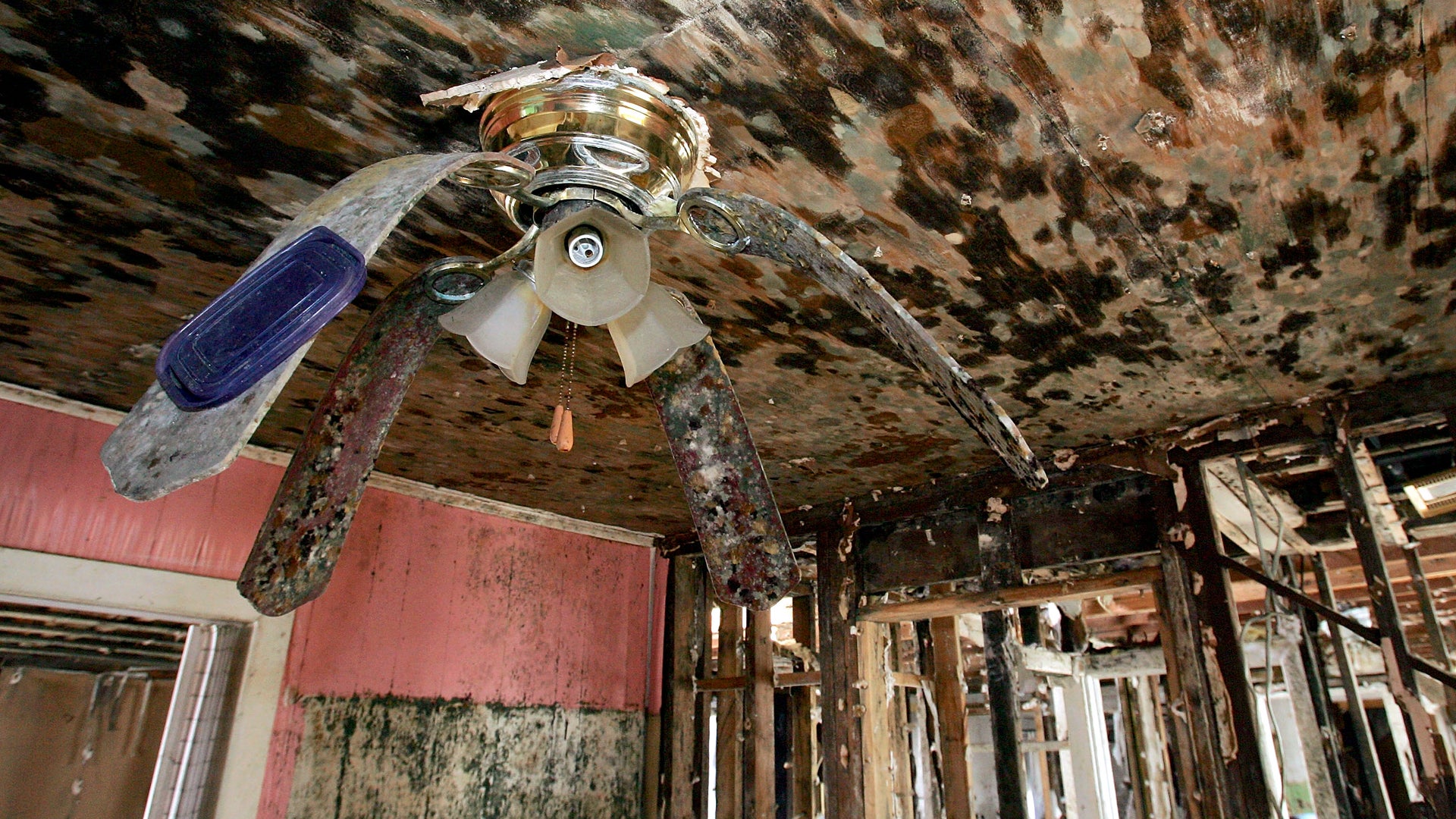
Mold After Water Damage in Brevard County: What Merritt Island Property Owners Should Know
Water damage is one of the most common causes of mold growth in homes across Brevard County. From heavy summer storms and hurricanes to plumbing failures and appliance leaks, homes throughout Merritt Island and nearby waterfront communities frequently deal with unexpected water intrusion.
Many homeowners focus on removing standing water and repairing visible damage, but mold often begins growing quietly after cleanup appears complete. Within days, moisture trapped inside walls, flooring, insulation, or ceilings can allow mold to spread, sometimes long before it becomes visible.
Understanding how mold develops after water damage — and how to prevent long-term problems — helps Merritt Island property owners protect both their homes and their investment.
Why Water Damage Leads to Mold So Quickly in Brevard County
Mold spores naturally exist everywhere in the environment. Mold growth begins when spores land on damp materials and moisture remains long enough for growth to occur.
In Brevard County, several factors make mold growth more likely after water damage.
Coastal Humidity Slows Drying
High humidity makes it harder for building materials to dry completely after water intrusion.
Warm Temperatures Encourage Growth
Florida’s warm climate allows mold to grow quickly year-round.
Frequent Storm Activity
Heavy rainstorms and hurricanes sometimes cause repeated water intrusion.
High Ground Moisture Levels
Homes near waterways often experience damp conditions beneath foundations.
Because moisture is common in coastal Florida, mold can begin growing within 24–48 hours after water damage if materials are not dried properly.
Common Causes of Water Damage in Merritt Island Homes
Water damage in local homes happens in many ways.
Roof Leaks After Storms
Strong winds and heavy rain sometimes allow water to enter through damaged roofing.
Plumbing Leaks
Burst pipes, leaking water heaters, or slow plumbing leaks may cause hidden moisture.
Appliance Failures
Washing machines, dishwashers, and refrigerators sometimes leak unexpectedly.
AC Condensation Problems
Clogged condensate lines or drainage failures can lead to moisture buildup.
Flooding or Storm Surge
Low-lying areas sometimes experience flooding during severe storms.
Even small leaks can lead to hidden moisture that supports mold growth.
How Quickly Mold Can Develop After Water Damage
Many homeowners are surprised by how fast mold begins growing after water intrusion.
Typical timeline:
• 24–48 hours: Mold spores begin growing on damp materials
• 2–5 days: Visible mold may begin forming
• 1–2 weeks: Mold spreads inside walls, insulation, or flooring
• Several weeks: Contamination may extend throughout affected areas
If materials are not dried thoroughly, mold growth often continues even after surfaces appear dry.
Areas Mold Commonly Appears After Water Damage
Mold often grows in hidden areas following water intrusion.
Behind Walls
Water from leaks or flooding often enters wall cavities.
Beneath Flooring
Moisture trapped under tile, laminate, or carpet leads to hidden contamination.
Attics
Roof leaks allow water to soak insulation and ceiling materials.
Crawl Spaces
Flooding or heavy rain sometimes leaves moisture beneath homes.
Around HVAC Systems
Condensation or leaks near air handlers allow mold growth.
Cabinets and Storage Areas
Moisture trapped behind cabinets or stored items may go unnoticed.
Often, mold spreads long before homeowners see visible signs.
Warning Signs Mold Is Developing After Water Damage
Homeowners often notice signs after cleanup appears complete.
Common warning signs include:
• Persistent musty odors
• Ceiling or wall staining returning
• Paint bubbling or peeling
• Rooms feeling damp or humid
• Mold appearing near vents or windows
• Warped flooring or baseboards
If these signs appear, hidden moisture may still be present.
Why Surface Drying Alone Isn’t Enough
After water damage, many homeowners dry visible surfaces but overlook hidden moisture.
Common problems include:
• Water trapped inside walls
• Moisture beneath flooring materials
• Wet insulation remaining behind drywall
• Crawl space humidity spreading upward
• Mold continuing to grow out of sight
Even when surfaces appear dry, moisture inside materials may remain for weeks.
Proper drying requires specialized equipment and moisture monitoring.
How Professional Mold Inspection Helps After Water Damage
Professional inspections help determine whether mold has already begun growing after water intrusion.
Inspection usually includes:
Visual Assessment
Inspecting affected areas and hidden spaces.
Moisture Detection Tools
Meters and infrared cameras locate damp materials.
Air or Surface Sampling (when needed)
Testing measures mold contamination levels.
Clear Recommendations
Homeowners receive guidance on corrective steps.
Professionals familiar with local conditions, such as Mold Removal Merritt Island, often recognize recurring moisture patterns quickly because they understand how Brevard County humidity affects homes after water damage.
What Happens If Mold Is Found
If mold growth is discovered, remediation may be recommended depending on severity.
Typical remediation steps include:
Containment Setup
Plastic barriers and air filtration systems prevent spores from spreading.
Removal of Damaged Materials
Wet drywall or insulation may require replacement.
Cleaning and Treatment
Remaining surfaces are professionally cleaned.
Air Filtration
HEPA filtration removes airborne spores.
Moisture Source Correction
Leaks or humidity problems are corrected.
Restoration Work
Affected areas are repaired to restore normal living conditions.
Correcting moisture is essential to prevent mold from returning.
Why Mold Problems Often Return After Water Damage
Mold sometimes reappears after cleanup because moisture problems were never fully corrected.
Common reasons include:
• Materials not dried completely
• Moisture trapped inside walls
• Flooring replaced without drying subfloors
• Crawl spaces left damp
• HVAC systems spreading spores
Proper drying and remediation prevent recurring contamination.
How Mold After Water Damage Affects Property Value
Unresolved water damage and mold can impact property value if not corrected properly.
Problems may include:
• Structural material damage
• Persistent odors
• Recurring mold growth
• Repair costs during home sales
• Buyer concerns during inspections
Early correction helps protect property value.
How Homeowners Can Reduce Mold Risks After Water Damage
Taking quick action helps prevent mold growth.
Dry Materials Quickly
Remove standing water immediately and dry affected areas.
Remove Wet Materials Promptly
Damaged carpet or drywall may need removal.
Use Professional Drying Equipment
Commercial drying tools often work faster than household fans.
Monitor Moisture Levels
Ensure materials are fully dry before rebuilding.
Inspect After Storms
Check ceilings, attics, and crawl spaces for leaks.
Maintain HVAC Systems
Proper drainage prevents condensation problems.
Quick response reduces mold risks significantly.
Why Local Experience Matters After Water Damage
Homes throughout Brevard County face moisture challenges not common inland.
Professionals familiar with local homes understand:
• Coastal humidity behavior
• Storm-related water intrusion risks
• Typical local construction styles
• Frequent moisture entry points
• Common mold growth locations
Local experience allows faster identification and correction of hidden moisture problems.
Preventing Mold Problems After Water Damage
Water damage rarely ends when visible water is removed. Mold often develops later if moisture remains hidden inside building materials. Addressing moisture quickly and thoroughly helps prevent long-term problems.
Homeowners who inspect their homes after storms, correct leaks quickly, and seek professional guidance when water damage occurs usually avoid large remediation costs later. When necessary, experienced local professionals like Mold Removal Merritt Island can help identify contamination and guide proper remediation so mold does not return.
For Brevard County and Merritt Island property owners, the key takeaway is simple:
Fast drying and proper moisture correction after water damage are the best ways to prevent mold and protect your home’s long-term value.
