
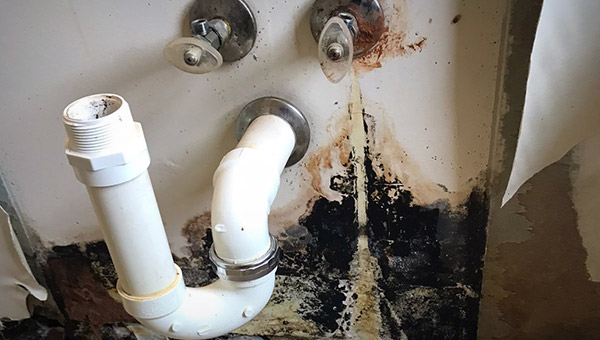
Mold After Plumbing Leaks in Indian River: What Merritt Island Property Owners Should Know
Homes near the Indian River deal with moisture every day, even when everything is working properly. Add a plumbing leak—whether it’s obvious or barely noticeable—and mold risk increases quickly. In Indian River properties, mold after plumbing leaks is one of the most common issues found during inspections, often discovered long after the leak itself was repaired.
The challenge isn’t usually the leak. It’s what happens to the moisture that leak leaves behind. Understanding how plumbing leaks lead to mold in Indian River homes helps property owners respond correctly and avoid hidden, long-term damage.
Why Plumbing Leaks Are Especially Risky Near the Indian River
Plumbing leaks introduce water directly into wall cavities, cabinets, flooring, and slab-adjacent areas. Near the Indian River, high ambient humidity slows drying and keeps materials damp longer than expected.
Local conditions that increase mold risk include:
- Constant coastal humidity that limits evaporation
- Slab foundations where moisture has nowhere to escape
- Salt air that accelerates pipe corrosion and fitting wear
- Older plumbing materials common in riverfront homes
- Homes kept closed with continuous AC use
Even a slow drip can create the right conditions for mold when moisture becomes trapped.
Small Leaks Can Cause Big Mold Problems
Many mold issues in Indian River homes start with plumbing leaks that don’t seem urgent. A loose fitting, pinhole pipe leak, or slow drain issue can release small amounts of water over time.
Common slow-leak scenarios include:
- Drips under sinks inside cabinets
- Supply line leaks behind walls
- Condensation buildup on cold water lines
- Leaks behind washing machines or dishwashers
- Aging shower valves or tub plumbing
Because these leaks don’t always cause visible flooding, moisture can remain unnoticed for weeks or months.
Why Mold Often Appears After the Leak Is Fixed
Homeowners are often surprised when mold shows up after a plumber has already repaired the issue. This happens because fixing the leak stops new water—but doesn’t remove moisture already absorbed by building materials.
Moisture may remain in:
- Drywall and insulation
- Cabinet bases and subflooring
- Wall framing
- Flooring installed over slab
In Indian River homes, that residual moisture dries very slowly, allowing mold to develop even though the leak is no longer active.
Early Signs Mold May Be Developing After a Plumbing Leak
Mold-related signs after plumbing leaks are often subtle at first, especially in coastal homes.
Common early indicators include:
- Musty or earthy odors near plumbing areas
- Warped or soft cabinet bases
- Bubbling paint or peeling finishes
- Discoloration on walls or ceilings
- Increased indoor humidity in specific rooms
These signs usually indicate moisture is still present somewhere inside the structure.
Under-Sink and Cabinet Mold Issues
Under-sink areas are one of the most common mold locations after plumbing leaks. Cabinets trap moisture and have limited airflow, making them slow to dry.
Mold often develops:
- On cabinet flooring beneath sinks
- On drywall behind cabinets
- Around drain penetrations
- On stored items that absorb moisture
Even when the leak is obvious and repaired quickly, cabinets may need thorough drying or material removal to prevent mold.
Mold Inside Walls From Plumbing Leaks
Leaks behind walls are especially problematic because moisture spreads before any surface damage appears.
Hidden wall mold often forms:
- Around supply lines and drain pipes
- Inside insulation cavities
- Along framing members
- Near bathrooms and laundry rooms
By the time staining or odors appear, mold may already be established inside the wall.
Flooring and Slab-Related Mold Concerns
In Indian River homes with slab foundations, plumbing leaks can allow water to migrate under flooring materials. This is common with vinyl, laminate, or engineered wood.
Warning signs include:
- Flooring lifting or separating
- Damp or cool floor areas
- Odors near floor level
- Discoloration along baseboards
Because slabs retain moisture, mold can persist underneath flooring long after the leak is repaired.
Why Cleaning and Drying the Surface Isn’t Enough
Many property owners dry visible water and clean affected areas, assuming the problem is resolved. Unfortunately, mold often grows where moisture can’t be seen.
Common mistakes include:
- Running fans without opening walls or cabinets
- Painting over water-damaged drywall
- Leaving wet insulation in place
- Ignoring moisture readings after repairs
Without confirming that materials are fully dry, mold risk remains high.
When a Professional Mold Inspection Makes Sense
After any plumbing leak—especially in Indian River homes—a professional inspection can help determine whether moisture or mold remains hidden.
An inspection may include:
- Moisture readings in walls, floors, and cabinets
- Visual inspection of plumbing-adjacent areas
- Evaluation of insulation and subflooring
- Identification of secondary moisture spread
Local professionals such as Mold Removal Merritt Island often find that early inspections after leaks prevent much larger remediation projects later.
Preventing Mold After Plumbing Leaks
Prevention focuses on drying, verification, and follow-up—not just repairs.
Effective steps include:
- Opening cabinets and wall areas to allow drying
- Removing wet materials promptly
- Monitoring humidity in affected rooms
- Watching for odors or delayed staining
- Rechecking moisture levels after repairs
These steps are especially important in riverfront homes where moisture lingers longer.
Why Local Indian River Experience Matters
Plumbing leaks behave differently in coastal environments. Local experience matters because professionals familiar with Indian River homes understand how slab foundations, humidity, and older plumbing systems affect moisture movement and drying time.
That knowledge leads to more accurate assessments and realistic recommendations tailored to riverfront properties—not generic guidance.
A Practical Next Step for Property Owners
If a plumbing leak has occurred in an Indian River home—recently or in the past—it’s worth considering what may still be hidden behind walls or under floors. Mold after plumbing leaks is common, but it’s also manageable when addressed early.
A professional evaluation can confirm whether moisture remains, identify mold risks, and help protect the home’s structure and indoor comfort before the issue grows into something more disruptive.
