
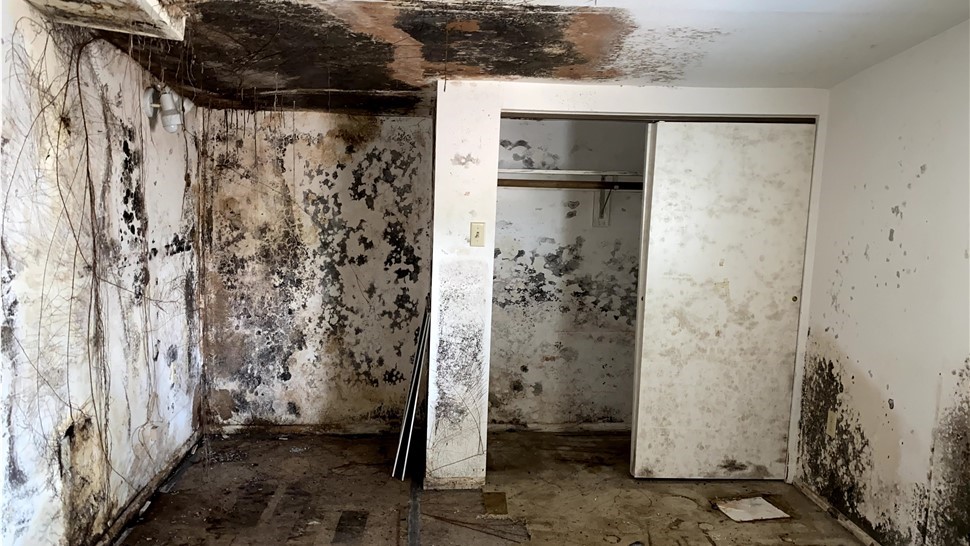
Is Mold Dangerous in South Merritt Island: What Merritt Island Property Owners Should Know
Mold is a common concern for property owners in South Merritt Island, and for good reason. With nearby waterways, persistent humidity, frequent storms, and warm temperatures most of the year, homes here face constant moisture pressure. When mold shows up, the first question many owners ask is whether it’s actually dangerous or just an unpleasant nuisance.
The honest answer is that mold is primarily a moisture and building condition problem, but if ignored, it can become more serious over time. Understanding what mold does, why it thrives in South Merritt Island, and when it becomes a concern helps property owners respond calmly and effectively instead of reacting out of fear or dismissing it entirely.
Why Mold Is So Common in South Merritt Island
South Merritt Island sits between the Banana River and the Indian River, which keeps ambient moisture levels high year-round. Even when it hasn’t rained recently, humidity lingers in the air and slows drying inside homes.
Moisture enters buildings through many everyday pathways: humid air infiltration, AC condensation, minor roof or window leaks, plumbing issues, and ground moisture rising through slab foundations. When materials stay damp long enough, mold can grow.
This means mold is not unusual here, even in well-maintained homes.
What Mold Actually Is — and Isn’t
Mold is a naturally occurring microorganism that exists everywhere in the environment. Outdoors, it plays an important role in breaking down organic material. Indoors, however, mold becomes a problem when it grows on building materials and stays active due to moisture.
Mold itself is not a sign of neglect or poor housekeeping. It’s a sign that moisture is present where it shouldn’t be. In South Merritt Island, moisture is the constant factor that allows mold to persist.
Understanding this distinction helps property owners focus on the right solution: moisture control, not just cleaning.
When Mold Becomes a Building Concern
From a property standpoint, mold is dangerous when it begins damaging materials or spreading into multiple areas of the home. Drywall, wood framing, insulation, and flooring can all deteriorate when mold remains active.
Over time, affected materials may weaken, discolor, or lose integrity. This can lead to costly repairs if the problem expands unchecked. Mold hidden behind walls or under flooring is especially problematic because it spreads quietly.
In South Merritt Island’s humid environment, mold rarely resolves on its own without intervention.
Hidden Mold Is Often the Bigger Issue
Visible mold gets attention, but hidden mold is often more concerning from a building perspective. Mold commonly grows behind drywall, inside wall cavities, under flooring, and in attics.
Because these areas are out of sight, moisture and mold can persist for long periods. By the time surface signs appear, growth may already be extensive.
Musty odors, recurring humidity, or unexplained staining often point to hidden mold rather than surface issues alone.
Why Mold Keeps Returning in Coastal Homes
One reason mold is perceived as “dangerous” is because it often comes back. Repeated mold problems are frustrating and disruptive, especially when cleaning doesn’t seem to help.
In South Merritt Island, recurrence usually means moisture conditions were never fully corrected. High humidity, incomplete drying after leaks, or ongoing condensation continue feeding the problem.
As long as moisture remains, mold can return, even after professional cleanup.
The Role of HVAC Systems in Mold Concerns
Air conditioning systems play a major role in both controlling and contributing to mold problems. AC systems remove humidity, but they also produce condensation continuously.
Clogged drain lines, cracked drain pans, or poorly insulated ductwork can allow water to escape into surrounding materials. Mold growing near HVAC components can then affect air movement throughout the home.
In coastal environments like South Merritt Island, HVAC-related mold is one of the most common underlying issues.
Attics and Roof-Related Mold
Attics are another frequent source of concern. Warm, humid air rises and condenses on roof decking when ventilation is limited or overwhelmed by humidity.
After storms, even small roof leaks can introduce moisture that soaks insulation and framing. Because attics are hot and humid, wet materials dry very slowly.
Mold in attics often goes unnoticed until odors or ceiling stains appear inside the home.
Slab Foundations and Ground Moisture
Most homes in South Merritt Island are built on slab foundations. After heavy rain or prolonged wet weather, ground moisture can migrate upward through concrete.
This increases humidity near floors and lower walls. Baseboards, closets, and flooring edges often show early signs of mold in these situations.
Because ground moisture is ongoing rather than event-based, it can support persistent mold growth if not addressed.
Is Mold Always an Immediate Health Threat?
Mold discussions often jump straight to health concerns, which can cause unnecessary alarm. From a property perspective, mold is primarily a moisture and maintenance issue first.
Different people react differently to mold, and many mold situations involve low-level exposure that doesn’t cause immediate noticeable effects. However, allowing mold to grow unchecked increases exposure over time and expands the affected area.
The practical takeaway for property owners is that mold should be addressed early to avoid escalation, regardless of whether symptoms are noticed.
Why Ignoring Mold Can Create Bigger Problems
Mold that is ignored rarely stays the same. In South Merritt Island, moisture conditions tend to persist, allowing mold to spread into adjacent materials and systems.
What starts as a small area can expand into walls, ceilings, HVAC systems, or flooring. As the affected area grows, remediation becomes more disruptive and costly.
Early attention limits damage and keeps solutions simpler.
Why DIY Cleanup Often Falls Short
DIY mold cleanup may remove visible growth, but it often fails to address hidden moisture or mold beneath surfaces. Scrubbing without containment can also spread spores into the air.
Using water-based cleaners can add moisture to already damp materials, encouraging regrowth. Without identifying why mold formed in the first place, DIY efforts often lead to repeated problems.
This cycle contributes to the perception that mold is “dangerous” because it never seems to go away.
How Professional Evaluation Helps Clarify Risk
Professional mold inspections focus on moisture behavior rather than fear-based assumptions. Inspectors evaluate HVAC systems, attics, walls, slab moisture, and ventilation patterns.
The goal is to determine where moisture is coming from, how long it’s been present, and how mold is likely spreading. This approach replaces uncertainty with clear information.
Mold Removal Merritt Island works with local property owners to assess mold concerns based on real South Merritt Island conditions rather than generic advice.
Preventing Mold From Becoming a Serious Issue
Mold becomes far less concerning when moisture is controlled early. Regular inspections, especially after storms, help catch damp areas before mold spreads.
Maintaining HVAC systems, managing indoor humidity, and addressing small leaks promptly all reduce mold risk. Paying attention to musty odors or recurring dampness provides early warning.
Prevention turns mold from a recurring problem into a manageable maintenance issue.
Why Local Experience Matters
Mold in South Merritt Island behaves differently than it does inland. Coastal humidity, salt air exposure, slab foundations, and storm patterns all affect how moisture enters and lingers in homes.
Local experience means understanding these patterns and knowing where mold is most likely to develop or hide. This leads to faster identification and more effective solutions.
A Practical Perspective for Property Owners
So, is mold dangerous in South Merritt Island? Mold is best understood as a signal rather than a threat on its own. It signals moisture that needs attention.
When addressed early and properly, mold is manageable. When ignored or repeatedly cleaned without correcting moisture, it becomes more disruptive and costly.
For property owners, the safest approach is not fear or dismissal, but awareness and timely action. When mold concerns persist or are unclear, professional evaluation brings clarity and direction. Mold Removal Merritt Island is familiar with the specific mold patterns seen throughout South Merritt Island and surrounding Brevard County communities, offering guidance grounded in real local conditions.
