
How Fast Mold Grows in Florida in Sykes Creek: What Merritt Island Property Owners Should Know
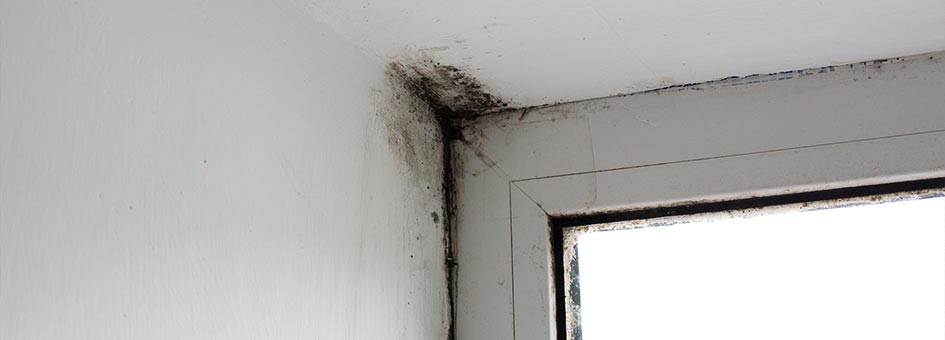
Mold growth in Sykes Creek homes often surprises property owners by how quickly it appears. One week everything looks fine, and the next there’s a musty odor, staining on a wall, or visible growth near a vent or baseboard. In Florida’s coastal climate, this speed is not unusual — it’s expected.
Homes near Sykes Creek deal with constant humidity, warm temperatures, salt air exposure, and frequent rain. These conditions dramatically shorten the time it takes for mold to grow once moisture is present. Understanding how fast mold can develop — and why it happens so quickly here — helps Merritt Island property owners respond before small moisture issues turn into widespread problems.
Why Mold Grows Faster in Sykes Creek Than Many Expect
Mold needs three things to grow: moisture, a food source, and warm temperatures. Sykes Creek provides all three almost year-round.
Indoor temperatures in Florida stay within mold’s preferred range most of the year. Building materials like drywall, wood, paper backing, dust, and insulation provide ample food sources. Moisture is the deciding factor — and near Sykes Creek, moisture is rarely absent.
High outdoor humidity means indoor spaces dry slowly. Even small leaks or condensation can keep materials damp long enough for mold to begin growing much faster than in drier climates.
How Quickly Mold Can Start Growing
In ideal conditions, mold can begin growing within 24 to 48 hours after moisture is introduced. In Sykes Creek homes, those conditions are often met quickly.
A roof leak during a storm, a plumbing drip, AC condensation overflow, or even elevated indoor humidity can start the clock. Because drying conditions are limited, materials often stay damp past that critical window.
This is why mold can appear days after a moisture event rather than weeks later.
Why Mold Often Appears “Out of Nowhere”
Many property owners feel mold shows up suddenly, without warning. In reality, growth usually begins out of sight.
Mold commonly starts behind drywall, under flooring, inside HVAC systems, or in attics. These areas stay dark, warm, and humid — perfect for rapid growth. By the time mold becomes visible or produces noticeable odors, it may have been growing for some time.
In Sykes Creek homes, this hidden phase is often short because conditions accelerate growth.
The Role of Humidity in Speeding Up Growth
Humidity is the biggest accelerator of mold growth in coastal Florida. Even without liquid water, high humidity can provide enough moisture for mold to thrive.
Indoor humidity above normal levels allows mold to grow on surfaces that never appear wet. Closets, exterior walls, attics, and areas with limited airflow are especially vulnerable.
In Sykes Creek, humidity often remains elevated day and night, which means mold doesn’t have to wait for a leak to begin growing.
How Storms Speed Up Mold Growth
Storms dramatically increase mold growth speed. Wind-driven rain, roof stress, and ground saturation introduce moisture quickly and over large areas.
After storms, materials may absorb moisture without showing immediate damage. Insulation, framing, and drywall can stay damp for days or weeks in humid conditions.
In many Sykes Creek homes, mold begins growing shortly after storms even when no obvious damage is visible.
AC Systems and Rapid Mold Development
Air conditioning systems are another reason mold grows quickly in Florida homes. AC systems remove moisture, but they also produce condensation constantly.
When drain lines clog, pans crack, or insulation fails, condensation escapes into surrounding materials. Because AC systems run frequently in Sykes Creek, moisture exposure can be continuous.
Mold near air handlers, vents, and ductwork often develops rapidly due to constant moisture and airflow.
How Fast Mold Spreads Once It Starts
Once mold begins growing, it can spread quickly if moisture remains. Mold releases microscopic spores into the air, which travel easily through indoor spaces.
HVAC systems circulate these spores throughout the home. When spores land on other damp materials, new growth begins. This allows mold to expand from one hidden area into multiple rooms.
In Sykes Creek homes, this spread can happen in a matter of weeks rather than months.
Flooring and Slab Foundations Increase Speed
Most homes in Merritt Island are built on slab foundations. After heavy rain or during high water table conditions, moisture can migrate upward through concrete.
Flooring materials trap this moisture, creating ideal conditions for mold beneath surfaces. Growth can spread under floors before becoming visible at seams or baseboards.
Because slab moisture is slow to dry, mold growth beneath flooring can accelerate quickly and remain hidden.
Why Summer Makes Mold Grow Even Faster
Florida summers combine extreme heat with relentless humidity. During these months, mold growth accelerates further.
Homes struggle to dry between daily humidity cycles. Attics overheat, AC systems work nonstop, and condensation increases. Materials that might dry slowly in cooler months may never fully dry in summer.
In Sykes Creek, this means mold growth timelines are often measured in days, not weeks.
Why Mold Keeps Growing After the Leak Is Fixed
Fixing a leak stops new water from entering, but it does not instantly dry affected materials. In humid environments, moisture trapped inside walls, insulation, or flooring may persist.
If materials remain damp after the repair, mold continues growing. This leads property owners to believe mold is spreading even though the leak is gone.
Drying is just as important as stopping water intrusion when speed matters.
Why DIY Drying Often Can’t Keep Up
DIY drying methods have limits in coastal environments. Fans may move air but not remove moisture. Dehumidifiers can struggle when outdoor humidity is high.
Surface drying does not guarantee internal drying. Materials can feel dry while still holding enough moisture for mold to grow.
This gap between appearance and reality allows mold to grow quickly despite efforts to dry.
How Professional Inspections Help Track Growth Timing
Professional inspections focus on moisture behavior and growth patterns. Moisture meters help determine how long materials have been wet and whether drying is complete.
In Sykes Creek homes, inspections often reveal that moisture exposure lasted longer than expected, explaining rapid mold development.
Mold Removal Merritt Island works with property owners to assess moisture timelines based on coastal conditions rather than assumptions.
Slowing Mold Growth Through Early Action
The faster moisture is addressed, the slower mold grows. Early drying within the first 24 to 48 hours dramatically reduces growth risk.
After storms or leaks, immediate inspection, drying, and monitoring are critical. Waiting even a few days can allow mold to establish itself.
Speed matters more in Sykes Creek than in many other areas.
Why Local Experience Matters When Timing Is Critical
Understanding how fast mold grows in Sykes Creek requires local experience. Coastal humidity, salt air, slab foundations, and storm patterns all influence growth speed.
Local professionals know which areas dry slowest and which conditions accelerate growth the most. This knowledge helps prevent underestimating how quickly problems can escalate.
A Practical Takeaway for Property Owners
In Sykes Creek, mold can begin growing within days — sometimes within hours — once moisture is present. The combination of warmth, humidity, and limited drying time accelerates everything.
For property owners, the key is not fear, but speed and awareness. Address moisture immediately, inspect hidden areas, and don’t assume small issues will resolve on their own.
When moisture exposure is unclear or mold appears quickly, professional evaluation provides clarity. Mold Removal Merritt Island is familiar with how fast mold develops in Sykes Creek homes and throughout Merritt Island, offering guidance grounded in real local conditions rather than guesswork.
