
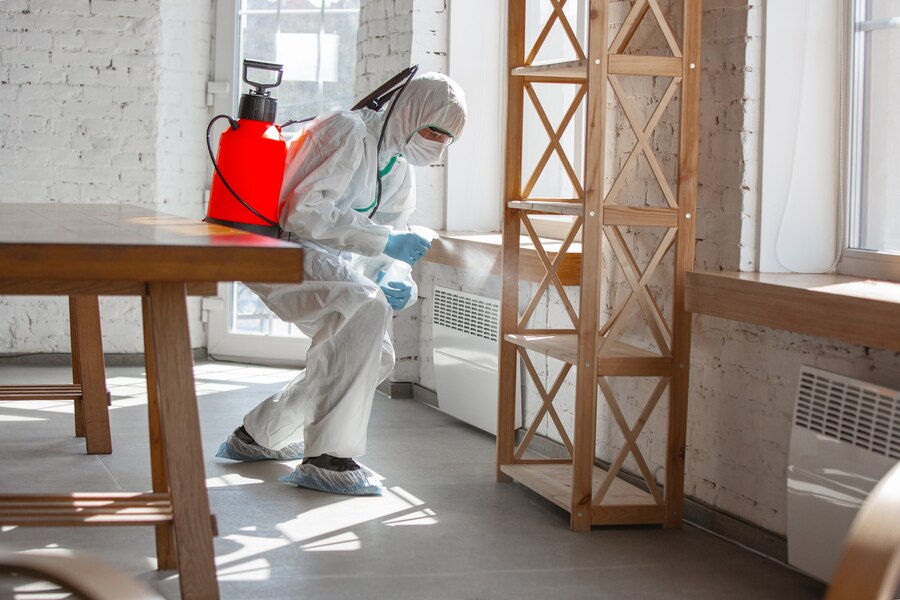
How to Prevent Mold From Returning After Removal
If you’ve already dealt with mold in your Merritt Island home, you know one thing for sure: you don’t want to do it again.
Removal is one step. Prevention is the real long-term solution.
In a coastal environment like Merritt Island — surrounded by the Indian River, Banana River, and Sykes Creek — humidity isn’t seasonal. It’s constant. Add in high water tables, summer storms, salt air exposure, and heavy AC use, and you have the perfect environment for mold to come back if moisture isn’t fully controlled.
Let’s talk about how to prevent that from happening.
Why Mold Comes Back in Florida Homes
Mold doesn’t randomly reappear. It returns when moisture remains.
Most recurring mold problems in Merritt Island homes happen because:
- The moisture source wasn’t fully corrected
- Humidity levels stay too high
- Crawl spaces remain damp
- Attics lack ventilation
- AC systems continue producing condensation
You can clean mold. You can remove contaminated materials. But if moisture still exists, spores — which are always present in the air — will settle and grow again.
Prevention is about moisture control, not just cleaning.
Step 1: Control Indoor Humidity Year-Round
Humidity is the single biggest factor in mold regrowth on Merritt Island.
Even on clear days, outdoor humidity often exceeds 70%. When that air enters your home — especially through poorly sealed crawl spaces or attic vents — indoor moisture rises.
Keep indoor relative humidity between 45% and 55%.
Here’s how:
- Use a whole-home dehumidifier if needed
- Make sure your AC system is properly sized
- Avoid turning the AC off for long periods during summer
- Monitor humidity with a digital hygrometer
Homes near waterfront areas in North Merritt Island are especially prone to elevated indoor humidity. The closer you are to open water, the more vigilant you need to be.
Step 2: Address Crawl Space Moisture
Crawl spaces are one of the most common sources of recurring mold in Brevard County homes.
After mold removal, it’s critical to:
- Install or upgrade a heavy-duty vapor barrier
- Seal vents if appropriate for encapsulation
- Repair damaged insulation
- Improve drainage around the foundation
- Consider a crawl space dehumidifier
High water tables in South Merritt Island mean ground moisture constantly rises. Without proper sealing, that vapor moves upward into your home.
Encapsulation and moisture control in crawl spaces are often the difference between permanent resolution and recurring mold.
Step 3: Maintain Your HVAC System
Air conditioning systems work hard in Florida.
Cold air moving through ducts in hot attics or crawl spaces creates condensation. That condensation drips onto insulation, framing, and duct boots.
After mold remediation, make sure:
- Ductwork is properly insulated
- Drain lines are clear and draining correctly
- The evaporator coil is clean
- The system is properly sized
- There are no air leaks in return ducts
AC systems in Merritt Island homes run nearly year-round. Regular servicing reduces moisture buildup and helps prevent mold from returning around vents and ductwork.
Step 4: Improve Attic Ventilation
Attics trap heat and moisture quickly.
After a humid summer rainstorm, attic air can become saturated. When that moisture lingers, roof decking and framing absorb it.
To prevent attic mold regrowth:
- Ensure soffit vents are open and unobstructed
- Check ridge vents for proper airflow
- Inspect insulation for compression or dampness
- Repair roof leaks immediately
Salt air exposure near the Indian River can corrode fasteners and roofing materials over time, creating subtle entry points for water.
An annual attic inspection is simple and prevents major problems.
Step 5: Inspect After Storms and Heavy Rain
Merritt Island homes face regular summer storms and occasional hurricanes.
Even if you don’t see visible flooding, water can:
- Enter through roof flashing
- Seep around windows
- Saturate exterior walls
- Pool beneath foundations
After major storms:
- Check ceilings for staining
- Inspect baseboards for swelling
- Walk the attic with a flashlight
- Smell for musty odors
Early detection prevents long-term moisture buildup — which is what leads to mold returning months later.
Step 6: Repair Leaks Immediately
Small leaks cause big mold problems when ignored.
Common sources in local homes include:
- Slow plumbing leaks under sinks
- Toilet wax ring failures
- Dishwasher line drips
- AC drain pan overflows
- Window seal failures
Because Merritt Island air is already humid, even minor moisture can support mold growth quickly.
Dry affected areas within 24–48 hours whenever possible. Prolonged dampness is what allows spores to colonize.
Step 7: Improve Exterior Drainage
Water around the foundation increases crawl space and slab moisture.
Prevent this by:
- Extending downspouts away from the home
- Keeping gutters clean
- Ensuring grading slopes away from the structure
- Avoiding overwatering landscaping near the foundation
Properties near Sykes Creek and lagoon areas often deal with naturally saturated soil. Drainage management is essential in these locations.
Step 8: Avoid the Bleach Myth
Bleach does not prevent mold from returning.
It may lighten surface staining temporarily, but it does not:
- Penetrate porous materials
- Kill embedded root structures
- Eliminate moisture sources
In fact, applying water-based cleaners without drying thoroughly can add moisture back into materials.
Long-term prevention depends on structural moisture control — not surface treatments.
Step 9: Schedule Periodic Professional Inspections
Even when everything appears fine, hidden moisture can develop.
Professional inspections typically include:
- Moisture meter readings
- Crawl space evaluation
- Attic inspection
- HVAC condensation assessment
- Humidity measurement
Homes in Merritt Island benefit from routine inspections because coastal conditions never truly “turn off.”
Mold Removal Merritt Island frequently works with homeowners who previously had remediation performed elsewhere but didn’t address long-term moisture control. Local experience makes a difference when diagnosing island-specific humidity patterns.
Step 10: Understand That Prevention Is Ongoing
Unlike dry inland climates, Merritt Island’s environment is moisture-driven year-round.
Prevention is not a one-time fix. It’s a maintenance strategy.
Think of it like:
- Servicing your AC
- Cleaning gutters
- Inspecting your roof
Moisture control should be part of your normal home care routine.
The good news? When moisture is managed properly, mold rarely becomes a recurring issue.
Why Local Experience Matters
Preventing mold in Merritt Island isn’t the same as preventing mold in a dry state.
Local professionals understand:
- How lagoon humidity affects indoor air
- How high water tables influence crawl spaces
- How salt air impacts building materials
- How seasonal storms change moisture patterns
A prevention plan that works in Orlando may not work the same way here.
Coastal knowledge matters.
A Calm, Practical Final Thought
If you’ve already removed mold from your home, you’ve handled the hardest part.
Now the focus shifts to moisture control.
Monitor humidity. Inspect after storms. Maintain your HVAC system. Check crawl spaces and attics regularly.
Mold returns only when moisture returns.
With consistent, proactive care — especially in a coastal environment like Merritt Island — you can keep your home dry, stable, and protected long-term.
If you’re unsure whether your home’s moisture conditions are under control, a professional evaluation provides clarity and peace of mind without guesswork.
Prevention is always easier than remediation.
