
How Mold Testing Works in North Merritt Island: What Merritt Island Property Owners Should Know
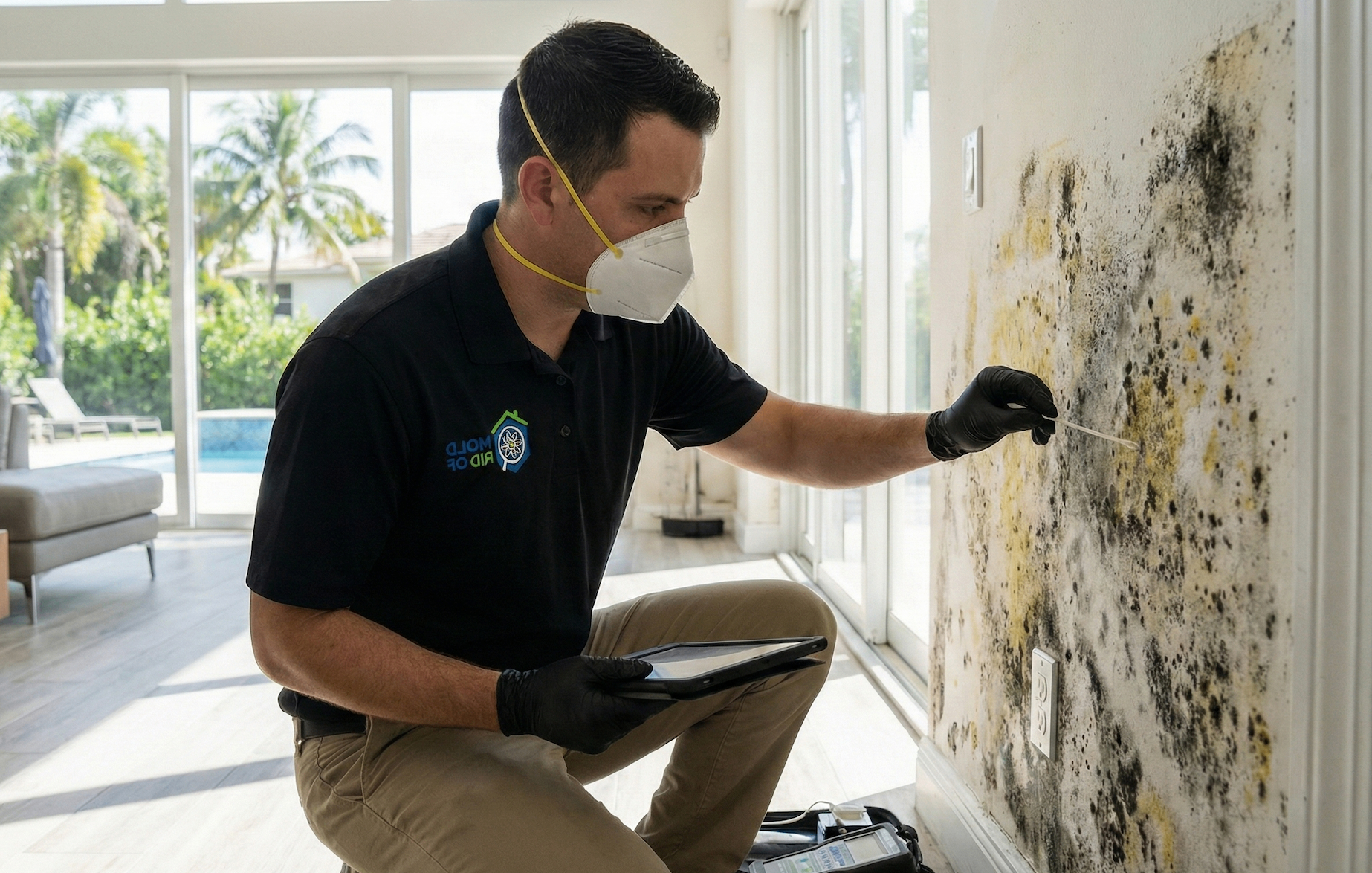
In North Merritt Island, mold testing is one of the most misunderstood parts of dealing with indoor mold. Homeowners often ask: Do I need testing? What does it actually tell me? Is it worth it?
The short answer: mold testing is a tool—not a cure. When used correctly, it helps confirm hidden problems, document conditions, and guide next steps. When used incorrectly, it can create confusion.
This guide explains how mold testing really works, when it makes sense, and what Merritt Island property owners should realistically expect from the process.
🌴 Why Mold Testing Is Common in North Merritt Island
Local conditions make hidden mold more likely than visible mold.
Key factors include:
- High humidity year-round
- Salt air that slows drying
- Slab construction trapping moisture
- Long AC seasons creating condensation
- Storm-driven rain and wind intrusion
Because mold is often inside walls, floors, or HVAC systems, testing is sometimes used to confirm what can’t be seen.
🧭 What Mold Testing Is (and Isn’t)
Mold testing does:
- Measure airborne mold spores
- Identify mold on surfaces
- Compare indoor conditions to outdoor baseline
- Provide documentation for insurance, landlords, or buyers
Mold testing does NOT:
- Remove mold
- Fix moisture problems
- Automatically determine health risk
- Replace a proper inspection
Testing works best after or alongside a mold inspection, not by itself.
🔬 The Main Types of Mold Testing
🌬️ 1. Air Sampling (Most Common)
Air testing measures mold spores floating in the air.
How it works:
- Air is collected from inside the home
- A comparison sample is taken outdoors
- Samples are analyzed by a lab
What it tells you:
- Whether indoor spore levels are elevated
- Whether indoor air differs from outdoor air
- If spores linked to moisture problems are present
Air testing is especially useful when:
- Mold isn’t visible
- Musty odors persist
- Symptoms worsen indoors
- Multiple rooms are affected
🧱 2. Surface Sampling (Swabs or Tape Lifts)
Surface testing checks what’s growing on a specific material.
How it works:
- A swab or tape sample is taken from visible growth
- The lab identifies the mold type
What it tells you:
- Confirms whether a substance is mold
- Identifies the general category of mold
Surface testing is useful when:
- Growth is visible but uncertain
- Documentation is required
- Distinguishing mold from dirt or residue
It does not measure how much mold is in the air.
🧺 3. Bulk Sampling (Less Common)
Bulk samples involve removing a small piece of material.
Used when:
- Materials are already being removed
- Insurance or legal documentation is required
- Confirming contamination in insulation or flooring
This method is rarely needed for routine homeowner decisions.
🧠 How Mold Test Results Are Interpreted
This is where confusion often happens.
Mold test results are not pass/fail.
Instead, professionals look at:
- Indoor vs. outdoor spore levels
- Types of mold present
- Whether mold species suggest moisture issues
- Distribution across rooms
- Environmental conditions at the time of testing
Numbers alone don’t tell the full story—context matters.
👃 Why Testing Is Often Done After Odors or Symptoms
In North Merritt Island homes, mold testing is frequently requested when:
- Musty odors persist without visible mold
- Allergies or breathing symptoms worsen indoors
- Odors increase when AC runs
- Multiple areas smell damp
Testing helps confirm whether indoor air quality is being affected—even when growth is hidden.
🧱 Mold Testing vs. Mold Inspection (Important Difference)
| Mold Inspection | Mold Testing |
|---|---|
| Finds moisture sources | Measures mold presence |
| Identifies building issues | Provides lab data |
| Visual + tools | Samples only |
| Explains why mold grows | Confirms what is present |
👉 Testing without inspection often leads to incomplete answers.
🧪 When Mold Testing Makes Sense
Testing is most helpful when:
- Mold is suspected but not visible
- Health complaints need documentation
- Buying or selling a home
- Insurance or legal records are required
- Multiple rooms are affected
- Verifying conditions after remediation
Testing provides evidence, not solutions.
❌ When Mold Testing Is Often Unnecessary
Testing may not add value when:
- Mold is clearly visible
- Moisture damage is obvious
- The next step is already remediation
- The source of moisture is known and active
In these cases, fixing moisture is more important than measuring spores.
🌬️ HVAC Systems & Mold Testing
In Merritt Island homes, HVAC-related mold concerns are common.
Air testing may reveal:
- Elevated spores when AC runs
- Distribution patterns across rooms
- Clues pointing to air handlers or ductwork
If odors increase during cooling cycles, testing can help confirm HVAC involvement.
🧽 Why DIY Mold Test Kits Are Limited
DIY kits often cause more confusion than clarity.
Common limitations:
- No outdoor baseline for comparison
- No professional interpretation
- Easily contaminated samples
- Results without actionable guidance
Without context, numbers can be misleading.
🛠️ What Happens After Mold Testing
A proper testing process includes:
- Clear explanation of results
- Identification of likely moisture sources
- Recommendations for next steps
- Guidance on whether remediation is needed—or not
Testing should support decision-making, not create panic.
🌊 Why North Merritt Island Homes Benefit from Strategic Testing
Because of:
- Constant coastal humidity
- Slab foundations
- Long AC seasons
- Salt air moisture retention
…hidden mold is more common than obvious mold. Testing can help confirm suspicions early, before damage spreads.
📉 How Mold Testing Helps Protect Property Value
Proper testing and documentation can:
- Support real estate disclosures
- Prevent surprises during inspections
- Guide targeted repairs
- Reduce buyer concerns
- Strengthen insurance or warranty claims
Done correctly, testing protects both health and investment.
✅ Final Takeaway for Merritt Island Property Owners
Mold testing in North Merritt Island is most effective when you understand what it can—and can’t—do.
Remember:
✔ Testing measures mold; it doesn’t fix it
✔ Results require professional interpretation
✔ Moisture control is always the priority
✔ Testing works best alongside inspection
✔ Used correctly, it provides clarity—not fear
In Merritt Island’s coastal climate, smart testing helps you make informed, confident decisions about your home.
