Mold FAQs in Indian River: What Merritt Island Property Owners Should Know
Living near the Indian River offers beautiful views and cooling breezes, but it also places homes in one of the most moisture-intensive environments in Brevard County. Because of that, mold questions come up often—from homeowners, landlords, and property managers who want clear, practical answers without fear or confusion.
This FAQ-style guide addresses the most common mold questions Indian River property owners ask. The goal isn’t to alarm—it’s to help you understand how mold behaves locally, what’s normal, what’s not, and when it’s time to take action.
Why Is Mold So Common Near the Indian River?
Mold is common near the Indian River because moisture is constant. Waterways keep humidity elevated day and night, even when it hasn’t rained. Homes in this area often struggle to fully dry out between humid cycles.
Contributing factors include:
- Persistent coastal humidity
- High water tables affecting slabs and foundations
- Salt air accelerating HVAC and plumbing wear
- Storm-driven rain and wind intrusion
Mold doesn’t require flooding here—long-term dampness is often enough.
Is Mold Always Visible When There’s a Problem?
No. In Indian River homes, mold is very often hidden.
Common hidden locations include:
- Under tile, vinyl, or laminate flooring
- Behind drywall or baseboards
- Inside HVAC systems and ductwork
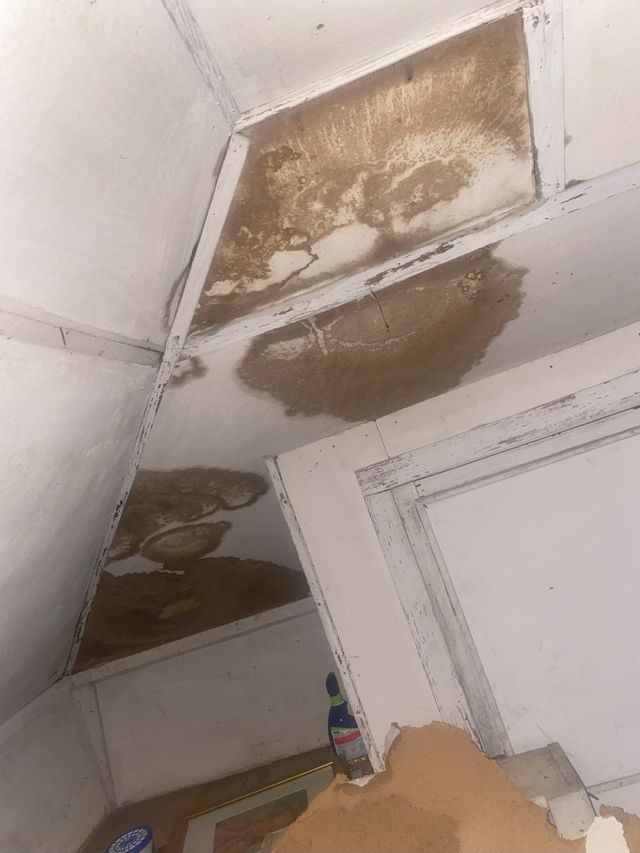
- Attics with limited ventilation
- Cabinets near plumbing lines
Many property owners first notice mold through odors or air quality changes, not visible growth.
What Are the First Signs of Mold in Coastal Homes?
Early signs are usually subtle and easy to dismiss.
Frequently reported signs include:
- Musty or earthy odors that linger
- Indoor air that feels damp or heavy
- Condensation on vents or windows
- Bubbling paint or peeling drywall
- Floors that feel cool, soft, or uneven
These symptoms often indicate moisture issues before mold becomes obvious.
Can High Humidity Alone Cause Mold?
Yes. In Indian River homes, humidity alone is one of the most common mold triggers.
When indoor humidity stays above safe levels:
- Materials absorb moisture instead of drying
- Condensation forms on cool surfaces
- Mold spores find consistent moisture to grow
This is why mold frequently appears even in homes with no active leaks.
Is Mold Growth Always a Health Emergency?
Not every mold situation is an emergency, but it should never be ignored.
Mold problems are best viewed as building moisture issues, not immediate crises. The concern is how long moisture has been present and whether mold is spreading into hidden areas that affect indoor air quality.
Calm, timely evaluation is usually far more effective than rushing into surface cleanup.
Why Does Mold Keep Coming Back After Cleaning?
Recurring mold is almost always a moisture problem—not a cleaning failure.
Mold returns when:
- Moisture sources aren’t corrected
- Humidity remains consistently high
- Mold exists behind walls or under flooring
- HVAC condensation continues
Cleaning visible mold without fixing moisture conditions only provides temporary relief.
Are Certain Homes Near the Indian River More at Risk?
Yes. Some homes are more vulnerable than others.
Higher-risk properties include:
- Slab homes with limited vapor barriers
- Older homes with aging ventilation systems
- Waterfront and near-water properties
- Homes with frequent vacancies
- Buildings with shared HVAC or plumbing systems
Risk increases when multiple factors combine.
When Is a Mold Inspection Actually Necessary?
A mold inspection is helpful when:
- Musty odors persist without visible mold
- Mold keeps returning after cleanup
- Flooring shows warping or moisture damage
- There has been past water intrusion or storm damage
- Indoor humidity is difficult to control
Inspections focus on why moisture is present, not just whether mold exists.
What Does a Professional Mold Inspection Look At?
A proper inspection goes beyond surface checks.
It may include:
- Moisture mapping of walls, floors, and ceilings
- Evaluation of HVAC condensation and airflow
- Attic and insulation assessment
- Identification of hidden moisture pathways
- Air or surface sampling when appropriate
The goal is to understand moisture behavior throughout the home.
Is DIY Mold Removal Ever a Good Idea?
DIY cleanup is rarely effective for Indian River homes.
DIY efforts often fail because:
- Hidden mold remains untouched
- Moisture sources aren’t addressed
- Spores spread during cleanup
- Humidity allows fast regrowth
In coastal environments, mold problems are usually deeper than they appear.
How Is Mold Properly Removed in Coastal Homes?
Effective mold remediation follows a structured process:
- Containment to prevent spore spread
- Removal of contaminated materials
- Thorough drying and dehumidification
- Correction of moisture sources
- Verification that conditions no longer support mold
Removal without moisture control almost always leads to recurrence.
How Can Mold Be Prevented Near the Indian River?
Prevention focuses on moisture management.
Effective prevention steps include:
- Keeping indoor humidity below 55%
- Maintaining HVAC systems regularly
- Clearing condensate drain lines
- Improving attic and bathroom ventilation
- Monitoring flooring and exterior walls after storms
Consistency matters more than any single product or fix.
Why Local Merritt Island Experience Matters
Homes near the Indian River behave differently than inland properties. Local experience matters because:
- Coastal humidity never fully disappears
- Slab foundations interact with high groundwater
- Salt air accelerates mechanical wear
- Building styles vary widely by neighborhood
Mold Removal Merritt Island understands these local conditions and approaches mold issues with a calm, moisture-focused perspective.
A Practical, Calm Takeaway
Mold questions are common near the Indian River—and that’s normal. Most mold issues aren’t emergencies, but they also don’t resolve on their own in coastal environments. The key is understanding moisture behavior and responding early.
When in doubt, a professional evaluation focused on moisture—not panic—can help protect your Merritt Island property and avoid larger issues later.