
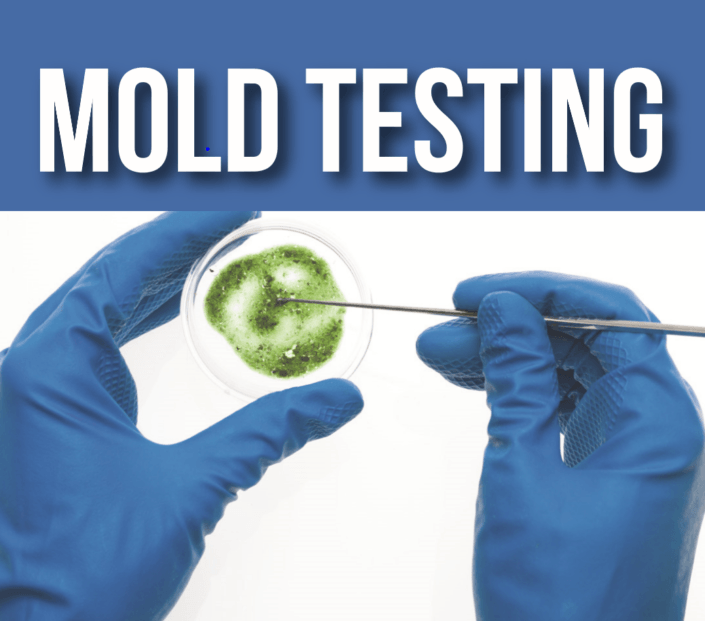
How Mold Testing Works in Indian River: What Merritt Island Property Owners Should Know
Homes near the Indian River enjoy constant coastal breezes and scenic views, but they also live with persistent moisture. High humidity, frequent storms, salt air exposure, and a high water table all contribute to conditions where mold can develop quietly. When musty odors, recurring moisture issues, or unexplained concerns arise, many property owners ask the same question: Should we do mold testing, and how does it actually work?
Mold testing can be a useful tool when it’s applied correctly. In Indian River homes, testing is not about panic or guessing. It is about gathering specific information to understand what’s happening inside the property and deciding what steps, if any, are needed next. Knowing how mold testing works — and when it truly adds value — helps property owners make informed decisions.
What Mold Testing Is Designed to Do
Mold testing is not meant to diagnose health conditions or replace a full inspection. Its purpose is to measure and identify mold-related particles in specific areas of a home.
Testing helps answer targeted questions, such as whether mold is present when it can’t be seen, whether indoor levels are elevated compared to outdoors, or whether a specific surface shows mold growth. In Indian River homes, testing is most effective when it supports a broader inspection rather than standing alone.
When used properly, mold testing adds clarity to situations where visual signs and moisture clues are not enough.
Why Mold Testing Is Often Requested Near the Indian River
Property owners near the Indian River frequently deal with humidity-related issues that don’t always produce visible mold. Musty odors, persistent dampness, or indoor air concerns may come and go with weather patterns.
Because mold often grows behind walls, under flooring, or inside HVAC systems, testing is sometimes requested to confirm whether hidden growth may be affecting indoor conditions. Testing is also commonly requested after storms, plumbing leaks, or during real estate transactions.
In coastal environments, testing helps differentiate between temporary humidity effects and ongoing mold-related conditions.
Mold Testing Always Starts With an Inspection
A proper mold testing process does not begin with collecting samples. It starts with a thorough inspection.
Inspectors first evaluate moisture sources, building layout, ventilation, HVAC systems, attics, and slab conditions. In Indian River homes, this step is critical because moisture behavior often explains mold concerns more clearly than test results alone.
Testing is then selected based on inspection findings, not used as a default step.
Air Sampling: How It Works
Air sampling is one of the most common mold testing methods. It measures the concentration and types of mold-related particles in the air at the time of sampling.
During air testing, a specialized pump pulls a measured volume of air through a collection device. Samples are typically taken both indoors and outdoors. The outdoor sample provides a baseline for comparison.
In Indian River homes, indoor air samples are often collected in areas where odors are strongest, humidity is highest, or mold is suspected but not visible.
What Air Test Results Show
Air test results identify the types of mold spores present and their relative concentrations. The most important part of interpretation is comparison.
Indoor results are compared to outdoor levels and to each other. Elevated indoor levels, unusual species, or patterns that don’t match outdoor air can indicate an indoor mold source.
Air testing does not pinpoint the exact location of mold, but it helps confirm whether indoor conditions are consistent with hidden growth.
Surface Sampling: When It’s Used
Surface sampling is used when there is visible growth or a questionable substance on a material. This type of testing helps determine whether what is seen is mold and, in some cases, what type.
Samples may be collected using swabs or tape lifts. Common sampling locations include drywall, wood framing, insulation, or HVAC components.
In Indian River homes, surface sampling is often used in closets, attics, or near vents where discoloration appears but the cause is uncertain.
Bulk Sampling and Material Testing
In some cases, small pieces of material may be collected for analysis. This is known as bulk sampling and is less common than air or surface testing.
Bulk samples may be used when materials are already being removed during repairs or when deeper confirmation is needed. This approach is typically reserved for specific situations rather than routine testing.
Why Mold Testing Is Not Always Necessary
Mold testing is not required in every situation. When visible mold is present and the moisture source is clear, testing often does not change the recommended course of action.
In Indian River homes, testing is most valuable when mold is suspected but not visible, when odors persist without explanation, or when documentation is needed for decision-making.
Understanding when testing adds value prevents unnecessary expense and confusion.
How Testing Results Are Interpreted
Interpreting mold test results requires context. Numbers alone do not tell the full story.
Results are evaluated alongside inspection findings, moisture measurements, building conditions, and recent events such as storms or leaks. Seasonal factors and coastal air influence are also considered, especially near the Indian River.
Clear interpretation focuses on what the results mean for the property, not on alarming terminology.
Common Misunderstandings About Mold Testing
One common misconception is that mold testing can “pass” or “fail” a home. In reality, testing provides information, not judgments.
Another misunderstanding is that testing alone can locate mold. Testing indicates whether mold-related particles are present, but inspections are needed to find moisture sources and growth locations.
In coastal homes, relying on testing without inspection often leads to incomplete conclusions.
The Role of Laboratories in Mold Testing
Samples collected during testing are sent to accredited laboratories for analysis. These labs identify mold types and report findings in standardized formats.
The role of the inspector is to select appropriate samples and interpret lab results correctly. Without proper context, lab data can be misleading.
How Mold Testing Fits Into the Bigger Picture
Mold testing is one piece of a larger process. Its role is to support informed decisions, not replace moisture control or remediation.
In Indian River homes, testing often confirms what inspections suggest and helps property owners move forward with confidence. It can also establish baseline conditions for future comparison.
Why Local Experience Matters for Testing
Coastal environments affect test results. Outdoor mold levels near the Indian River differ from inland areas, and humidity influences indoor air patterns.
Local experience helps ensure samples are taken correctly and results are interpreted accurately. Understanding seasonal trends, building styles, and moisture behavior is critical for meaningful testing.
Mold Removal Merritt Island works with property owners who need mold testing interpreted within the context of real Merritt Island conditions rather than generic assumptions.
What Happens After Mold Testing
After testing, property owners receive an explanation of findings and what they mean for the property. This may include recommendations for monitoring, moisture correction, or remediation if needed.
The goal is clarity, not alarm. Testing results should guide practical next steps based on evidence.
A Practical Perspective for Property Owners
Mold testing is a tool, not a solution by itself. When used appropriately, it helps answer specific questions and reduce uncertainty.
For Indian River property owners, understanding how mold testing works makes it easier to decide when it’s useful and when it isn’t. Combined with proper inspection and moisture control, testing supports smarter, calmer decision-making.
When concerns persist or conditions are unclear, professional evaluation provides direction. Mold Removal Merritt Island is familiar with how mold testing applies to Indian River homes and the coastal challenges that influence results, offering guidance grounded in local experience.
