
How Mold Spreads Indoors in Indian River: What Merritt Island Property Owners Should Know
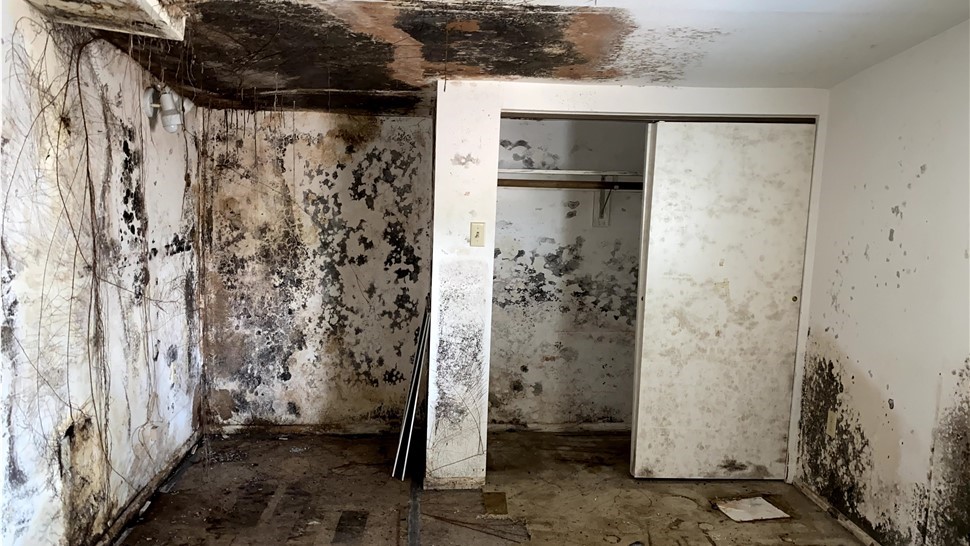
In homes near the Indian River, mold rarely stays in one place. Once it starts growing, it can spread quietly and efficiently indoors, often without visible warning signs. Coastal humidity, constant air conditioning, and hidden moisture sources allow mold spores to move through a home faster than many Merritt Island property owners realize.
Understanding how mold spreads indoors is key to stopping small problems before they turn into widespread damage.
🧠 The Basics: How Mold Spreads Inside a Home
Mold spreads primarily through microscopic spores released into the air. These spores are invisible, lightweight, and easily transported throughout indoor spaces.
Once spores land on a damp surface, they can begin growing within 24–48 hours.
🌬️ Air Movement: The #1 Way Mold Travels Indoors
❄️ HVAC Systems Distribute Spores
In Indian River homes, air conditioning runs most of the year. When mold grows in one area—especially near:
- Air handlers
- Drain pans
- Ductwork
- Vents
spores can be pulled into the HVAC system and circulated throughout the entire home.
This is why mold in one room often leads to odors or symptoms in many rooms.
🌪️ Natural Airflow & Pressure Changes
Everyday activities spread spores:
- Opening and closing doors
- Ceiling fans and exhaust fans
- Walking through contaminated areas
Homes near the Indian River often experience pressure differences between cool indoor air and warm humid outdoor air, helping spores move between rooms.
💧 Moisture Allows Mold to Take Hold Everywhere
Spores are always present—but moisture determines where they grow.
Common Indoor Moisture Sources
- High indoor humidity
- AC condensation
- Plumbing leaks
- Roof leaks
- Wet insulation
- Damp flooring
In coastal environments, even surfaces that look dry may hold enough moisture for mold to grow.
🏠 Hidden Pathways Mold Uses to Spread
Mold doesn’t need open space to move.
It commonly spreads through:
- Wall cavities
- Ceiling voids
- Shared framing
- Under flooring
- Attic and crawl space connections
This is why mold can appear in a bedroom even though the original moisture source was in a bathroom, laundry room, or attic.
📦 Cross-Contamination Through Belongings
Personal items can carry mold spores:
- Clothing
- Cardboard boxes
- Upholstered furniture
- Rugs
Moving items from a damp or moldy area to a clean one can unintentionally spread contamination.
😷 Why Mold Spread Affects Health First
As mold spreads, air quality often declines before surfaces show damage.
Occupants may notice:
- Musty odors in multiple rooms
- Allergy or asthma flare-ups
- Coughing, congestion, or headaches
- Symptoms that worsen indoors
These are often early indicators that mold is spreading indoors.
🚫 Why DIY Cleaning Can Make Mold Spread Worse
Improper cleaning can increase spore distribution.
Common mistakes include:
- Dry brushing or vacuuming without HEPA filtration
- Spraying cleaners without containment
- Removing moldy materials without sealing the area
These actions disturb mold colonies and release more spores into the air.
🧪 How Professionals Stop Mold From Spreading
When mold is confirmed, proper control measures are used.
🧰 Professional Containment Includes:
- Physical barriers (plastic containment)
- Negative air pressure
- HEPA air scrubbers
This prevents spores from migrating into clean areas during inspection or remediation.
🛠 How Property Owners Can Limit Indoor Mold Spread
✅ Control Humidity
- Maintain 30–50% indoor humidity
- Use dehumidifiers when needed
- Monitor humidity with digital hygrometers
✅ Address Moisture Immediately
- Dry water damage within 24–48 hours
- Repair leaks promptly
- Don’t ignore condensation
✅ Be Careful With Suspected Mold Areas
- Avoid disturbing visible growth
- Limit airflow through affected rooms
- Keep doors closed until evaluated
🧪 Mold Spread vs. Mold Growth
- Mold growth requires moisture
- Mold spread happens through air and movement
Stopping moisture stops growth—but controlling airflow limits spread.
🧑🔧 Final Thoughts: Mold Spreads Faster Than You Think
In Indian River homes, mold doesn’t stay put.
For Merritt Island property owners, remember:
- Mold spores travel through air and HVAC systems
- Hidden moisture allows growth in multiple areas
- Symptoms often appear before visible mold
- Improper cleanup can spread contamination
Understanding how mold spreads indoors helps you respond smarter—and sooner—protecting both your property and the people inside it.
