
High Water Table Mold Issues in North Merritt Island: What Merritt Island Property Owners Should Know
Homeowners in North Merritt Island often deal with moisture issues that residents in inland communities rarely experience. One major reason is something many people don’t think about until problems appear inside their homes: the high water table.
Because Merritt Island is surrounded by waterways like Sykes Creek, the Banana River, and the Indian River Lagoon, groundwater levels remain close to the surface. This constant moisture below homes can eventually find its way indoors, creating conditions where mold grows easily.
Many property owners are surprised when mold appears even though there has been no obvious leak or flooding event. In many cases, the cause is moisture rising from below the home rather than entering from above.
Understanding how a high water table contributes to mold problems helps North Merritt Island homeowners protect their homes before small moisture issues become expensive repairs.
What a High Water Table Means for Homes
The water table refers to the level underground where soil is fully saturated with water. In coastal areas like North Merritt Island, that level often sits close to the ground surface.
This means:
• Soil remains damp year-round
• Ground moisture stays near foundations
• Crawl spaces remain humid
• Slab foundations can absorb moisture
• Homes experience constant moisture pressure
Even when homes are not flooded, moisture still migrates upward through soil and building materials.
Because mold needs moisture to grow, this creates ideal conditions for problems inside homes.
Why North Merritt Island Homes Are Especially Affected
North Merritt Island neighborhoods are surrounded by water on nearly all sides. Combined with Florida’s climate, several local factors contribute to mold risks.
Constant Coastal Humidity
Humidity remains high most of the year, making it harder for homes to fully dry.
Frequent Storms and Heavy Rain
Storm systems often raise groundwater levels temporarily, increasing moisture pressure around homes.
Poor Drainage in Some Areas
Flat land and coastal soil conditions sometimes prevent rainwater from draining quickly.
Older Home Construction
Some older homes lack modern moisture barriers beneath foundations or inside crawl spaces.
Crawl Space Vulnerability
Homes built with crawl spaces may allow ground moisture to rise directly into the structure.
These conditions make moisture control a constant concern.
How Ground Moisture Leads to Indoor Mold
Many homeowners assume mold only develops after roof or plumbing leaks. However, moisture from the ground can quietly create mold conditions without obvious warning signs.
Ground moisture can:
• Rise into crawl spaces
• Enter slab foundations
• Increase indoor humidity
• Cause condensation inside walls
• Damp insulation and flooring materials
Over time, these damp conditions allow mold to grow behind walls, under flooring, and inside insulation.
Often, homeowners first notice a musty smell rather than visible mold.
Signs High Water Table Issues May Be Affecting Your Home
Moisture problems caused by groundwater often appear gradually. Homeowners may notice:
• Musty odors in certain rooms
• Damp or humid indoor air
• Mold returning repeatedly in the same area
• Peeling paint near floors
• Warped flooring or baseboards
• Damp closets or storage spaces
• Increased condensation on windows
These signs often indicate moisture entering from below rather than from leaks above.
Common Hidden Mold Locations in North Merritt Island Homes
Mold frequently develops in areas homeowners don’t regularly inspect.
Crawl Spaces
Moisture rising from soil can lead to mold on floor joists and insulation.
Under Flooring
Moisture beneath slab foundations or flooring materials creates hidden mold growth.
Behind Walls
Moisture migrating upward can cause mold inside wall cavities.
Closets and Storage Rooms
Limited airflow allows humidity to build up.
HVAC Systems
High humidity causes condensation around air conditioning equipment.
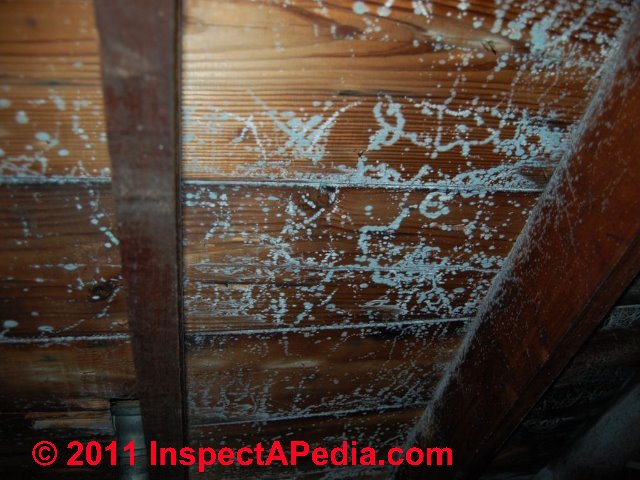
Attics
Warm, moist air rising from below can condense under roof decking.
Often, mold spreads significantly before becoming visible.
Why DIY Mold Cleanup Often Fails
Homeowners often attempt to clean mold using household products, only to see it return.
Common reasons include:
• Only visible mold is cleaned
• Moisture source remains unaddressed
• Mold behind materials is untouched
• Spores spread during cleaning
• Porous materials stay contaminated
Without correcting moisture entering from the ground, mold usually comes back.
Temporary cleaning rarely solves the problem.
How Professional Mold Inspection Helps
A professional inspection focuses on identifying both mold and moisture sources.
Typical inspection steps include:
Visual Evaluation
Inspecting crawl spaces, walls, attics, and HVAC systems.
Moisture Detection Tools
Meters and infrared cameras locate hidden moisture.
Air or Surface Sampling (when necessary)
Testing helps determine contamination levels.
Clear Explanation of Findings
Homeowners receive practical guidance about corrective steps.
Professionals familiar with coastal homes, such as Mold Removal Merritt Island, often recognize groundwater-related moisture problems quickly because they understand how local conditions affect homes.
What Proper Mold Remediation Looks Like
Professional mold remediation goes beyond cleaning surfaces.
A proper remediation process may include:
Containment Setup
Preventing mold spores from spreading during cleanup.
Removal of Contaminated Materials
Damaged drywall or insulation may need replacement.
Cleaning and Surface Treatment
Remaining materials are professionally cleaned.
Moisture Source Correction
Steps are taken to reduce moisture entering the home.
Prevention Improvements
Ventilation or moisture control upgrades help prevent recurrence.
Addressing both mold and moisture prevents problems from returning.
How Homeowners Can Reduce Ground Moisture Risks
Preventing mold caused by groundwater involves moisture management.
Improve Drainage Around the Home
Ensure gutters and downspouts direct water away from foundations.
Install Crawl Space Moisture Barriers
Vapor barriers help block ground moisture.
Maintain Proper Ventilation
Crawl spaces and attics should have adequate airflow.
Control Indoor Humidity
Use dehumidifiers or maintain AC systems properly.
Inspect After Heavy Rain
Check for damp areas after storms.
Address Foundation Cracks or Leaks Quickly
Small openings can allow moisture entry.
Regular monitoring helps catch problems early.
Why Local Experience Matters
Homes in North Merritt Island face moisture challenges not typically seen inland.
Professionals familiar with local homes understand:
• Seasonal humidity patterns
• Storm-related groundwater rise
• Typical foundation and crawl space designs
• Common moisture entry points
• Frequent mold growth locations
Local experience allows faster diagnosis and effective solutions.
Protecting Your Home from Ground Moisture Mold
High water table conditions are part of living in North Merritt Island, but mold problems don’t have to be. Many homeowners simply don’t realize moisture entering from below can cause indoor mold issues.
Property owners who monitor moisture, improve drainage, and address humidity problems early usually avoid large remediation costs later. When mold problems appear, experienced local professionals like Mold Removal Merritt Island can help determine whether groundwater moisture is contributing and guide proper solutions.
