
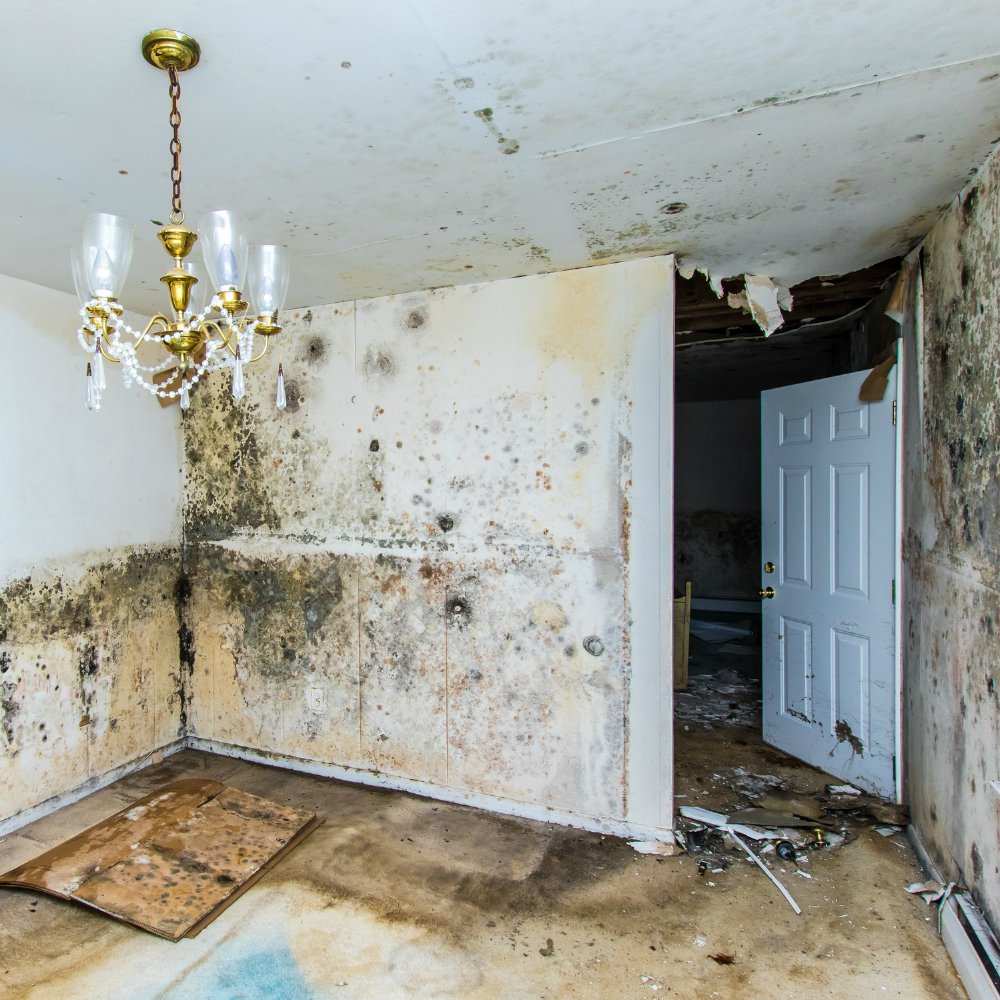
Hidden Mold in North Merritt Island: What Merritt Island Property Owners Should Know
North Merritt Island offers peaceful neighborhoods, waterfront access, and comfortable coastal living near Sykes Creek and the Indian River. However, homeowners in this part of Brevard County also deal with one persistent challenge: excess moisture inside homes.
While visible mold on walls or ceilings gets immediate attention, many of the most serious mold problems are hidden. Mold often grows behind surfaces, under flooring, or in attics and crawl spaces where homeowners rarely look. By the time musty odors or stains appear, contamination may already be widespread.
Understanding how hidden mold develops and how to detect it helps North Merritt Island homeowners protect their homes before small moisture problems become major repairs.
What Hidden Mold Means in a Home
Hidden mold refers to mold growth that develops out of sight inside building materials or concealed areas of a home.
Common hidden mold locations include:
• Behind drywall
• Inside insulation
• Under flooring materials
• Above ceilings
• Inside HVAC systems
• Inside closets along exterior walls
• Crawl spaces and attics
Because mold spores grow wherever moisture remains, hidden mold usually forms where leaks or humidity problems have gone unnoticed.
Homeowners may live with hidden mold for months before symptoms appear.
Why Hidden Mold Is Common in North Merritt Island Homes
Homes in North Merritt Island face environmental conditions that increase moisture exposure year-round.
Local factors contributing to hidden mold problems include:
• High coastal humidity
• Frequent rainstorms and tropical weather
• Hurricane and storm-related leaks
• Waterfront air carrying moisture inland
• High groundwater levels in some neighborhoods
• Continuous air conditioning condensation
Even small leaks or moisture buildup can allow mold to grow quietly behind surfaces. Because mold thrives in dark, damp areas, hidden spaces often become ideal growth environments.
Moisture that remains trapped inside materials allows mold colonies to expand unnoticed.
How Moisture Gets Trapped Inside Homes
Many hidden mold problems begin with moisture entering the home in subtle ways.
Common sources include:
• Roof leaks after storms
• Plumbing leaks behind walls
• AC condensation around vents or ducts
• Poor ventilation in attics
• Crawl space moisture rising into flooring
• Window or door seal failures
• Flooding or water intrusion
Water may dry on visible surfaces while moisture remains trapped behind walls or beneath flooring, creating conditions where mold spreads silently.
Because these areas are concealed, contamination often goes undetected.
Signs Hidden Mold May Be Present
Hidden mold often produces warning signs before it becomes visible.
Common signs include:
• Persistent musty odors indoors
• Rooms feeling damp or humid
• Peeling paint or bubbling drywall
• Water stains appearing on ceilings or walls
• Warped or soft flooring areas
• Allergy-like irritation indoors
• Mold returning after cleaning
In many cases, odors appear first because mold grows inside wall cavities or ceilings before reaching visible surfaces.
If musty smells persist, hidden mold may already exist.
Areas Inspectors Frequently Find Hidden Mold
Professional inspections in North Merritt Island homes commonly reveal mold growth in locations homeowners rarely inspect.
Frequent hidden problem areas include:
• Attics with poor ventilation
• Crawl spaces absorbing ground moisture
• Walls affected by plumbing leaks
• Under carpet or wood flooring after water damage
• HVAC air ducts and air handlers
• Laundry rooms and utility closets
• Behind cabinets or built-in furniture
Waterfront homes sometimes experience higher humidity, increasing risks in concealed areas.
Because homeowners rarely inspect these spaces, mold often spreads before discovery.
Why Hidden Mold Keeps Returning
Some homeowners repeatedly clean visible mold only to see it reappear months later.
This typically happens because:
• Moisture sources remain unresolved
• Mold remains hidden behind surfaces
• Mold roots survive inside porous materials
• Humidity remains too high indoors
• Ventilation problems persist
Cleaning visible mold does not eliminate hidden contamination.
Without moisture correction, mold frequently returns.
Why DIY Mold Removal Often Misses Hidden Problems
Homeowners sometimes try removing mold themselves, especially when only small areas are visible. However, DIY cleanup rarely addresses hidden contamination.
Common DIY limitations include:
• Inability to see behind walls
• Mold remaining inside insulation or flooring
• Moisture sources not corrected
• Cleaning spreading spores to other areas
Without professional equipment, hidden mold often remains untreated.
Professional services address both contamination and moisture safely.
How Professional Mold Inspections Find Hidden Mold
Professional mold inspections help locate hidden contamination using specialized tools.
A typical inspection includes:
Visual Examination
Inspectors look for visible mold, water stains, or moisture damage throughout the home.
Moisture Detection Equipment
Moisture meters and thermal imaging cameras help locate hidden damp areas behind walls or ceilings.
Ventilation Evaluation
Inspectors check airflow in attics, crawl spaces, and HVAC systems to identify moisture buildup.
Air or Surface Testing When Needed
Testing may help confirm contamination when mold is suspected but not visible.
Inspection findings guide remediation planning.
How Hidden Mold Is Safely Removed
When hidden contamination is confirmed, professional remediation safely removes mold while preventing spread.
Remediation typically includes:
• Containment of affected areas
• HEPA air filtration
• Removal of mold-damaged materials
• Cleaning surrounding surfaces
• Correction of moisture sources
• Thorough drying and prevention measures
Professionals familiar with Merritt Island homes understand how coastal humidity affects mold patterns.
Local specialists such as Mold Removal Merritt Island tailor solutions based on island environmental conditions.
The goal is preventing mold from returning.
Preventing Hidden Mold in Merritt Island Homes
While coastal humidity cannot be eliminated, homeowners can reduce hidden mold risks through moisture control.
Helpful prevention steps include:
• Maintaining indoor humidity below 60%
• Servicing HVAC systems regularly
• Cleaning AC drain lines routinely
• Repairing leaks immediately
• Improving attic and crawl space ventilation
• Inspecting homes after storms
• Using dehumidifiers when needed
Routine home inspections help catch moisture problems early.
Homes near waterways benefit from humidity monitoring.
Why Local Experience Matters
Homes throughout North Merritt Island vary in construction type and exposure to coastal conditions.
Professionals familiar with local homes understand:
• Waterfront humidity patterns
• Storm-related moisture risks
• Ventilation challenges in island homes
• Slab versus elevated construction differences
Local experience allows faster diagnosis and solutions suited to Merritt Island’s environment.
Professionals experienced with local properties often identify risks faster than contractors unfamiliar with coastal construction.
Protecting Property Value Through Early Detection
Homes represent major investments, and hidden mold problems left unresolved can lead to costly repairs and reduced property value.
Addressing mold concerns early helps:
• Prevent structural damage
• Maintain indoor comfort
• Reduce long-term repair costs
• Avoid surprises during home sales
• Protect property value
Preventive action protects both homes and investments.
A Practical Next Step for Homeowners
If your home has persistent musty odors, past water damage, or recurring humidity issues, scheduling a professional mold inspection can determine whether hidden contamination is present.
Early action usually keeps remediation manageable and prevents mold from spreading into structural materials. Correcting moisture problems protects both indoor comfort and property value.
With proper inspection and moisture management, North Merritt Island homeowners can continue enjoying coastal living without recurring mold concerns.
Taking preventive action today helps keep homes safe and comfortable in Florida’s humid coastal climate.
